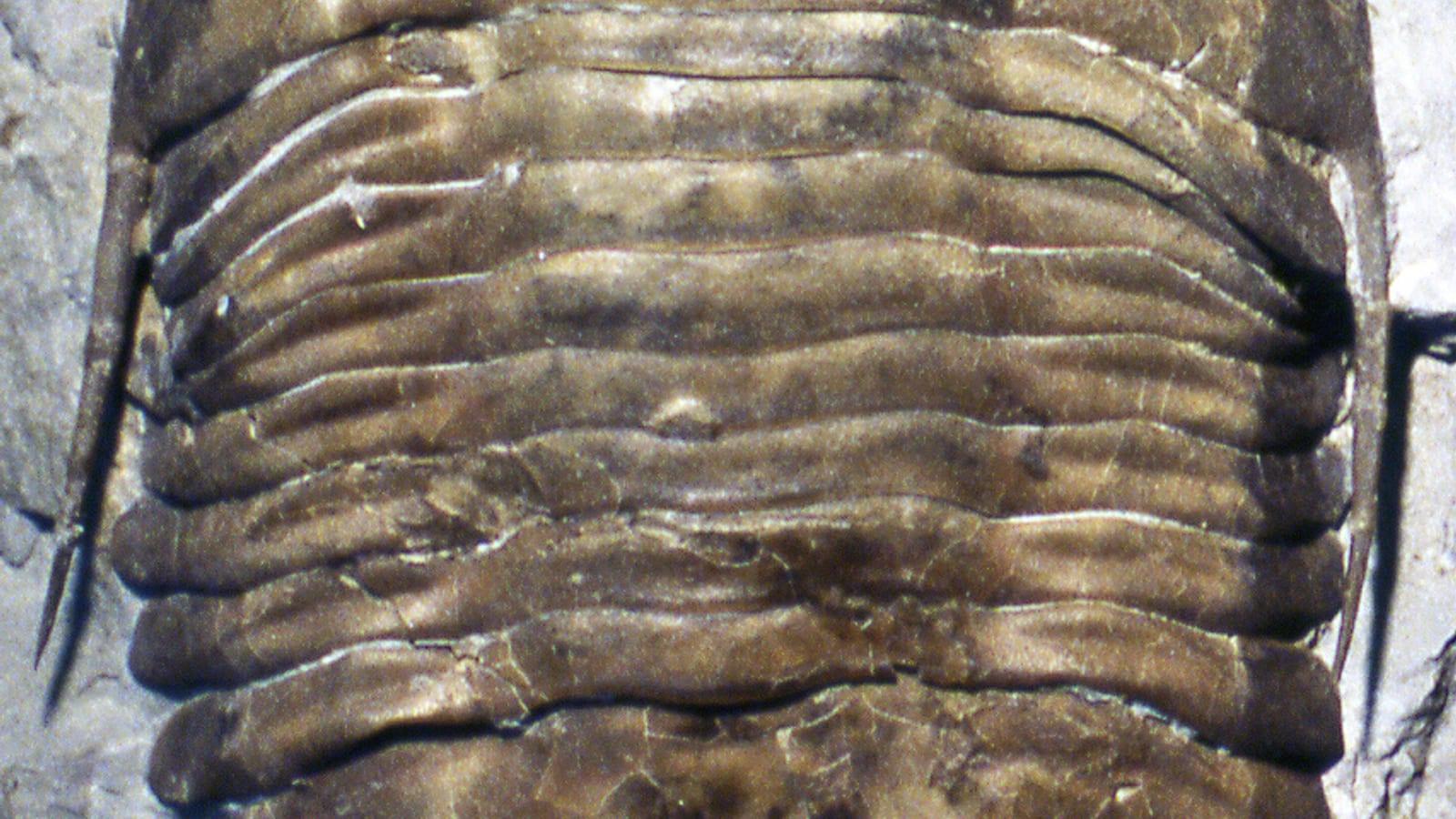
Merzouga Desert Phacops Collecting Area Fossil Hunting Guide
Image: James St. John (CC BY 2.0)
Collect Devonian Phacops trilobites near Merzouga, Morocco, on the edge of the Erg Chebbi dunes. Guided 4WD excursion from Merzouga; 300–600 MAD per half-day.
Where the road to Merzouga passes through rocky desert before giving way to the sand dunes of the Erg Chebbi, exposed limestone outcrops yield Phacops trilobites and associated Devonian fauna from beds that have been worked by local collectors for decades. The Merzouga Desert Phacops Collecting Area sits roughly 16 km from Merzouga town, making it a natural addition to any itinerary that combines fossil hunting with a dune visit. The trilobites here are preserved in grey limestone and marl, with the bulbous compound eyes of Phacops immediately recognisable once you know what you are looking for in broken rock.
This guide covers the route from Merzouga, the Devonian geology of the outcrops, what fossils you will find, and how to arrange a guided collecting visit.
 Merzouga desert Erg Chebbi.jpg. Photo: Elena Tatiana Chis via Wikimedia Commons (CC BY-SA 4.0)
Location and Getting There
Location
The collecting area is located approximately 16 km from Merzouga, Draa-Tafilalt Region, southeastern Morocco. The outcrops sit in rocky desert terrain northwest of the Erg Chebbi sand sea, where Devonian limestone is exposed at the surface before being buried under aeolian sand further east. The nearest town is Merzouga (population approximately 3,000), which has guesthouses, camps, and guide services catering primarily to dune tourists but with increasing offerings for fossil collectors.
Getting There
From Merzouga, arrange a 4WD vehicle and local guide. The drive to the collecting area takes approximately 30 to 45 minutes via unpaved desert tracks heading northwest or west. The tracks cross open desert with sandy sections requiring 4WD; standard vehicles are not suitable. Guides in Merzouga available through guesthouses and the main road near the dunes can direct you to the productive outcrops. The site is sometimes included as part of a full-day excursion that also covers Devonian localities further toward Alnif.
What Fossils You'll Find
Phacops trilobites are the defining genus at this locality. Their large, prominent schizochroal eyes, set high on a broadly convex glabella, make cephala immediately identifiable even when you are new to Moroccan Devonian fauna. Complete enrolled specimens occur in the nodule-bearing marl layers; isolated cephala and pygidia are more common in the loose rubble. Sizes range from 2 to 8 cm for complete individuals. The compound eyes of Phacops, with their individual large lenses separated by sclera, are one of the most studied structures in trilobite biology, and specimens from this region have contributed to the scientific literature on trilobite vision.
 Phacops sp., Middle Devonian, Morocco - Houston Museum of Natural Science - DSC01515.JPG. Photo: Daderot via Wikimedia Commons (CC0)
Enrolled trilobites also appear at this locality, where animals curled into a defensive ball before burial. These are less common than the flat or partially articulated specimens but are highly sought by collectors for their three-dimensional completeness.
Brachiopods are the most abundant associated fossils, particularly spiriferids with their wide, ribbed wings. They appear in the limestone beds as scattered valves and occasional pairs. Crinoid fragments turn up in some beds, particularly in the coarser, more argillaceous horizons between the clean limestone units.
Loose desert surface material, where wind erosion has removed the matrix and left fossil remnants on the reg, can yield isolated cephala and small brachiopod valves that have been naturally prepared by wind abrasion. These surface finds are typically weathered, but they can be useful for orientation in the field before you start working fresh rock.
Geologic History
The Ancient Environment
The rocks in the Merzouga Desert collecting area belong to Devonian formations deposited approximately 390 to 380 million years ago during the Emsian to Givetian stages. This region formed part of the same broad Tafilalt Basin shelf sequence found at sites near Alnif and Erfoud, covered by the warm tropical Rheic Ocean. The Phacops-rich beds here were deposited in moderately shallow, well-oxygenated conditions where a diverse benthic community of trilobites, brachiopods, and crinoids lived on a carbonate seafloor. Periodic storm events created the rapid burial conditions that produced the articulated and enrolled trilobite specimens found in nodule-bearing horizons.
The proximity of these outcrops to the Erg Chebbi dune field creates an unusual visual contrast: Devonian marine limestones at the surface today, with Saharan aeolian sand advancing across them from the east. The dunes partially bury the outcrops in some areas, while active wind erosion elsewhere continually exposes fresh limestone surfaces and, with them, new fossils.
How the Merzouga Collecting Area Developed
Systematic fossil collecting in the Merzouga area developed as part of the broader Tafilalt Basin fossil trade expansion from the 1980s onward. As the Erg Chebbi dunes gained international recognition as a tourist destination, local guides began incorporating fossil collecting excursions into their dune-tourism itineraries. The rocky desert northwest of the dunes holds productive Devonian outcrops that local families have worked for specimens, and the Phacops material from this area feeds both the Merzouga guesthouse tourist market and the wider Erfoud dealer network. Wind erosion actively continues to expose new material at the surface.
Visiting and Collecting Information
Access and What to Expect
Arrange a guide and 4WD transport in Merzouga. Guide fees for a half-day collecting excursion run approximately 300 to 600 MAD (30 to 60 USD) including transport. At the site you can search the desert surface for wind-polished loose specimens and work waste rock from current collecting areas. Prepared specimens — Phacops cephala and complete individuals — are available for purchase from any collectors present. Personal collection is limited to approximately 5 kg for non-commercial use.
What to Bring
Carry at least 2 to 3 litres of water per person. The desert terrain offers no shade and no water. Sun protection is critical: wide-brimmed hat, long sleeves, and high-factor sunscreen. Closed-toe boots are necessary for the rocky outcrops. Bring a geology hammer and chisel for fresh rock, and newspaper or bubble wrap for specimens. All payments at the site are cash in Moroccan dirhams.
Safety and Practical Tips
Visit between October and April when temperatures are manageable (20 to 35°C). Summer visits to this exposed desert terrain are genuinely hazardous: temperatures exceed 45°C in July and August, and there is no shelter. The desert surface near the Erg Chebbi can shift when wind-loaded sand accumulates on the tracks; your guide will judge whether particular tracks are safe on the day. Moroccan export regulations allow tourists to take up to 10 personal-use fossil specimens out of the country without a permit.
Sources
Nearby sites
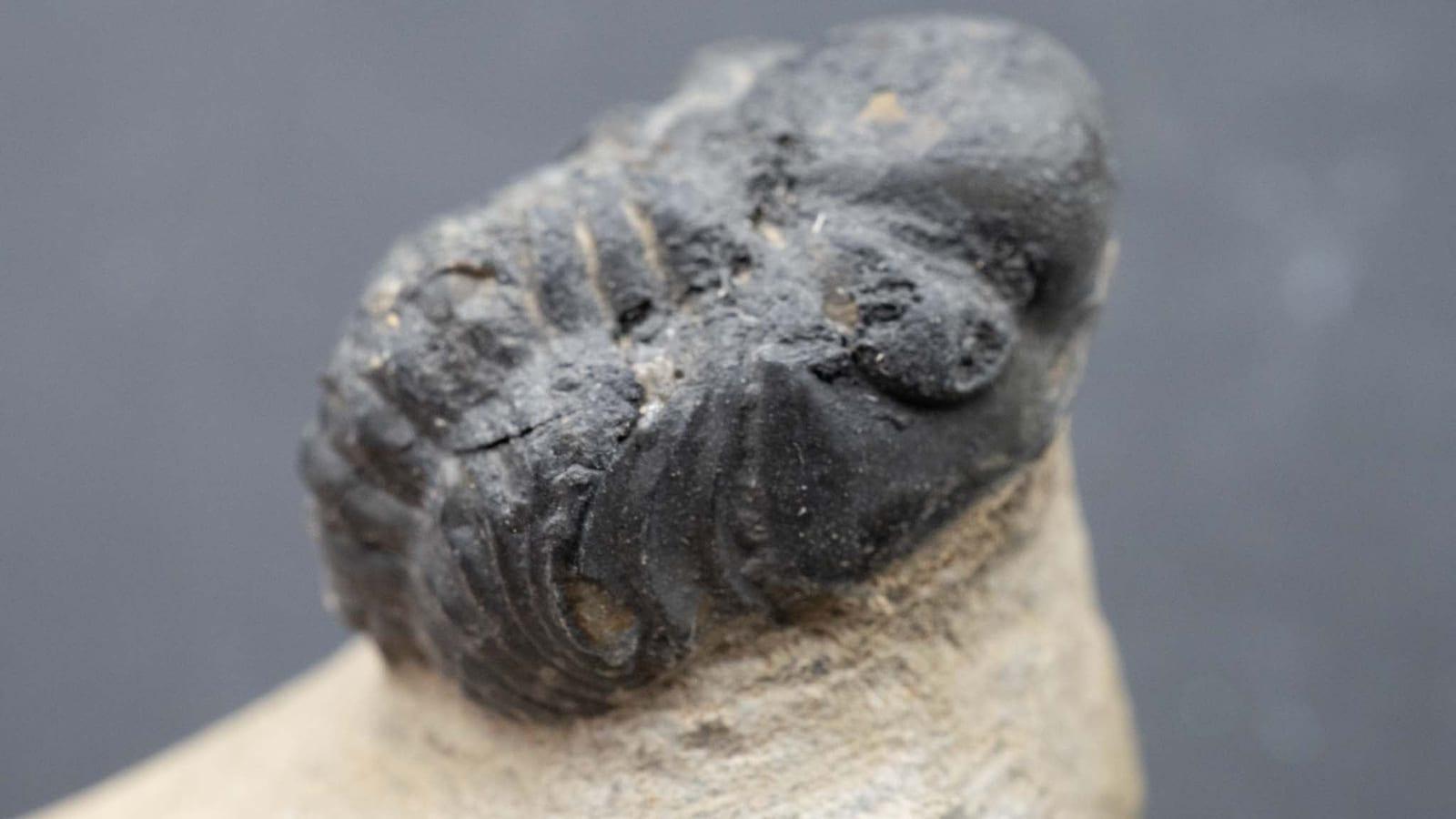 Atchana Trilobite Mine Rissani Fossil Hunting GuideAtchana Trilobite Mine, Devonian trilobites
 Guelb el Mharch Mud Volcano Fossil Site Rissani Fossil Hunting GuideGuelb el Mharch, Tabulate corals
 Jbel el Mrakib Devonian Reef Site Rissani Fossil Hunting GuideJbel El Mrakib Devonian Reef Site, Coral reef fossils
 Rissani Goniatite Quarry East of Town Fossil Hunting Guidegoniatites, Goniatites