Jbel Isoumour Trilobite Mine Alnif Fossil Hunting Guide
Image: ManuRoquette via Wikimedia Commons
Collect Devonian spiny trilobites at Jbel Isoumour near Alnif, Morocco. Psychopyge, Drotops, and Hollardops from the El Otfal Formation; guided 4WD access only.
The limestone escarpments of Jbel Isoumour, rising from the desert northwest of Alnif, hold what many palaeontologists consider the single most significant Devonian trilobite site in the world. The mining trenches cut along the mountain's northern flank have produced Psychopyge, Drotops, Hollardops, and Koneprusia — genera whose extraordinary spiny morphology had never been seen in any trilobite fauna before these specimens reached scientific attention in the 1980s. For a collector, a day at Jbel Isoumour means working waste piles that contain museum-grade material, watching miners begin the delicate process of exposing three-dimensionally preserved specimens from their calcareous nodule hosts, and buying directly from the families who have worked these beds for sixty years.
This guide covers directions from Alnif, the geology of the El Otfal Formation, which trilobite genera occur and how to identify them, how the site operates, and what you need to know before you go.
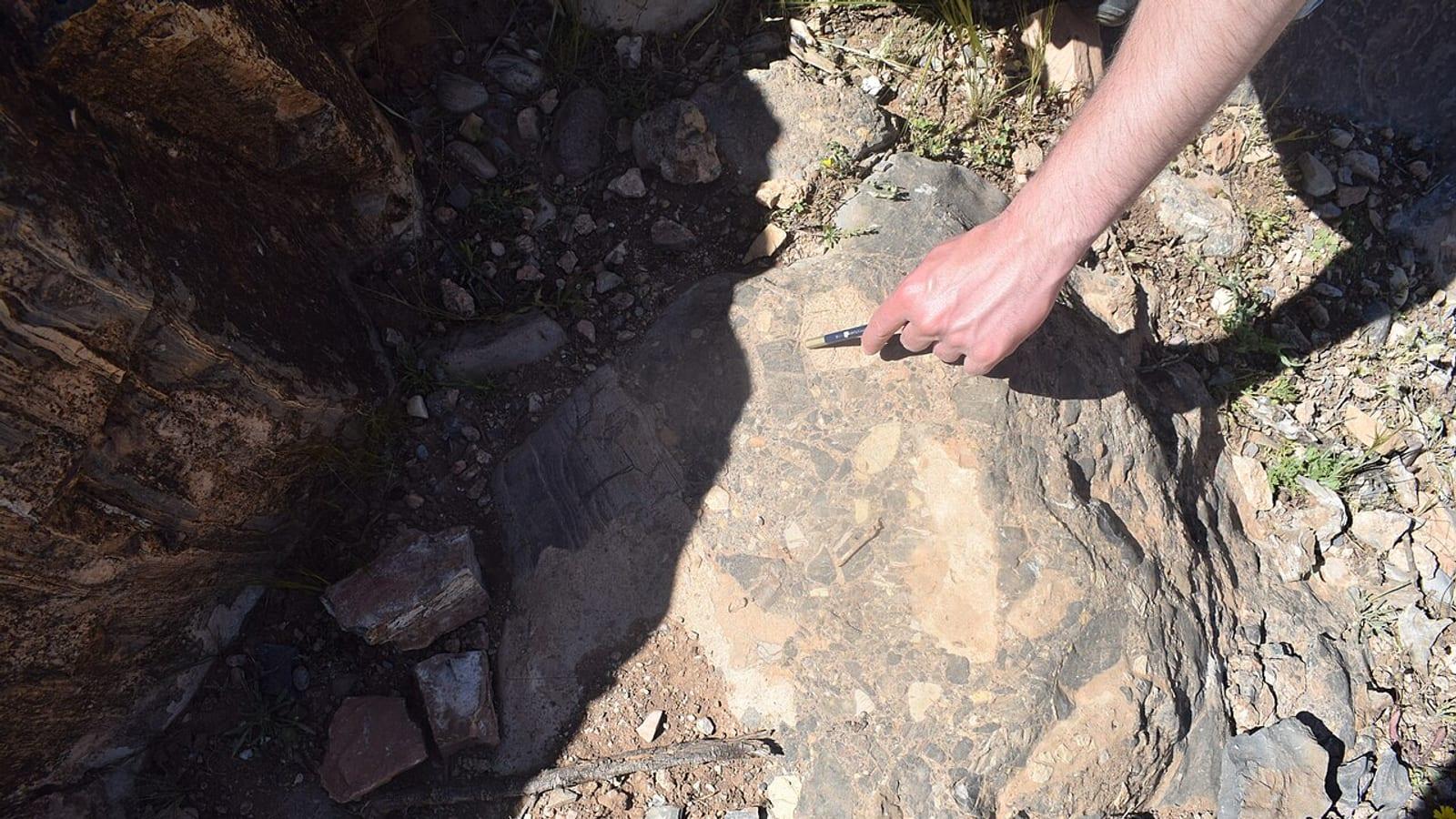
 Conglomerat Cambrien - Tioute.jpg. Photo: ManuRoquette via Wikimedia Commons (CC BY-SA 4.0)
Location and Getting There
Location
Jbel Isoumour is a limestone ridge located approximately 25 to 30 km northwest of Alnif, in the Draa-Tafilalt Region of southeastern Morocco. The mining operations concentrate on the mountain's north-facing escarpment, where the Psychopyge horizon outcrops as a band of grey marl and calcareous limestone. There is no single street address; the site is a distributed series of trenches and pits along several kilometres of hillside.
Getting There
All transport to Jbel Isoumour starts in Alnif. You need a 4WD vehicle for the unpaved desert tracks — standard cars will not manage the terrain reliably, particularly in sand sections. The drive from Alnif to the active mining areas takes 45 to 60 minutes, depending on which trenches your guide takes you to. GPS coordinates alone are not sufficient for navigation; the tracks branch repeatedly and lack signage. Booking a guide in Alnif through one of the town's trilobite dealers or guesthouses is the standard approach. Guides know exactly which sections of the mountain are currently active and which waste piles contain the best loose material for visitors. Several well-established dealers in Alnif, including those near the central market, can arrange full-day excursions with 4WD transport included.
What Fossils You'll Find
Psychopyge is the most celebrated genus from Jbel Isoumour. These trilobites bear long, curved spines projecting from the occipital lobe and the genal angles of the head shield, giving them an unmistakable silhouette. Complete specimens preserved in three dimensions are among the most sought trilobites in the world; even fragmentary material is identifiable. The genus is known almost exclusively from the El Otfal Formation at Jbel Isoumour and closely related sites in the Anti-Atlas.
 Dotrops armatus - trilobite - Smithsonian Museum of Natural History - 2012-05-17.jpg. Photo: Tim Evanson via Wikimedia Commons (CC BY-SA 2.0)
Drotops armatus produces large complete specimens, sometimes 10 to 15 cm across, with a broadly oval outline and numerous marginal spines on the pygidium. Look for the distinctive inflated glabella (the central lobe of the head) and the deeply incised axial furrows. Drotops is the genus most commonly offered prepared and for sale by miners on-site.
Hollardops mesocristata has a distinctive eye placement — the eyes are set high on a prominent ridge — and a finely tuberculate surface texture. It is smaller than Drotops and appears in grey marl rather than the nodule-bearing horizons. Hollardops specimens often come partially prepared, with the head and thorax exposed and the pygidium still in matrix.
Koneprusia specimens are among the rarest and most prized. This genus has numerous thin, needle-like spines projecting from every segment, creating a radiating appearance unlike anything else in the Devonian record. Even small, partially prepared Koneprusia fragments command significant prices because the spines break easily during both extraction and preparation.
Associated fauna includes brachiopods in the shale interbeds, occasional crinoid columnals, and small gastropods. The marl layers between limestone beds are the best source for articulated specimens; the limestone nodules protect complete individuals from compaction during burial.
Geologic History
The Ancient Environment
The rocks at Jbel Isoumour belong to the El Otfal Formation, a sequence of alternating calcareous marls, argillaceous limestones, and shales deposited during the early to middle Devonian, approximately 407 to 393 million years ago (Emsian to Eifelian stages). At that time, the Anti-Atlas region formed part of the shallow marine shelf fringing the northern margin of Gondwana. Water depths were moderate — probably 50 to 150 metres — with episodic influx of fine terrigenous sediment from the continent to the south. The variety of trilobite genera, including both benthic crawlers and more pelagic-adapted forms, indicates a complex, multi-layered ecosystem.
The three-dimensional preservation of so many specimens results from rapid burial within calcareous nodules that formed early in the diagenetic history of the sediment, before compaction could flatten the shells. This concretion-forming process, known as early diagenetic cementation, is the direct reason that Jbel Isoumour produces fully rounded, uncompressed trilobites while many other Devonian sites yield only flat compressions.
How Jbel Isoumour Became a Fossil Site
Commercial fossil mining at Jbel Isoumour began in the early 1960s when Berber miners from Alnif noticed spectacular trilobites weathering from the hillside. The spinose forms were unlike anything the international fossil market had seen, and specimens reaching European dealers in the 1970s generated immediate scientific and collector interest. Formal scientific description of the fauna accelerated through the 1980s and 1990s, with numerous papers in specialist journals documenting new genera and species. The site has fundamentally changed the scientific understanding of Devonian trilobite diversity; several genera described from Jbel Isoumour have no close relatives elsewhere in the fossil record. Today, multiple mining families work different sections of the escarpment. The horizontal trenches that follow the Psychopyge horizon across the hillside are the result of sixty years of cumulative excavation, and active work at higher elevations continues to expose fresh material regularly.
Visiting and Collecting Information
Access and What to Expect
All visits to Jbel Isoumour are arranged through local guides based in Alnif. There is no independent public access route. A full-day excursion including 4WD transport from Alnif, guide services, and arrangement with the mining families costs approximately 500 to 800 MAD (50 to 80 USD). This covers access to the working trenches and the right to search waste piles for loose material. You can also purchase specimens in various stages of preparation directly from miners: some are freshly broken from matrix, others have had preliminary work done with basic hand tools. Field-collected specimens will require professional airscribe preparation before the full morphology is visible.
The site works six days a week; Friday afternoons see reduced activity. The optimal visiting season is October through April, when daytime temperatures are 20 to 30°C. Summer visits are strongly discouraged: temperatures at the exposed escarpment frequently exceed 42°C by mid-morning.
What to Bring
Bring at minimum 3 litres of water per person for a full-day visit. There is no water source at the mountain. Wear long sleeves, a wide hat, and sunscreen regardless of season. Sturdy boots with ankle support are necessary for the loose scree on the hillside. A geology hammer, chisel, and safety glasses let you work waste-pile material. Bring newspaper or bubble wrap for specimens, and a small backpack for material you collect. All payments at the site are cash in Moroccan dirhams.
Safety and Practical Tips
The mining trenches are narrow and the walls are unsupported in many sections. Do not enter active trench sections without a guide present, and do not approach freshly undercut walls. Loose scree on the hillside above the trenches can move without warning. Desert heat management is the primary safety concern: start early, rest during midday in summer, and monitor your water intake. The miners and guides at Jbel Isoumour are skilled professionals who have worked this terrain for decades; follow their guidance on where it is safe to go.
Moroccan export regulations permit tourists to take up to 10 personal-use fossil specimens out of the country without a permit. For finer prepared specimens purchased from miners, retain all purchase receipts.
Sources
Nearby sites
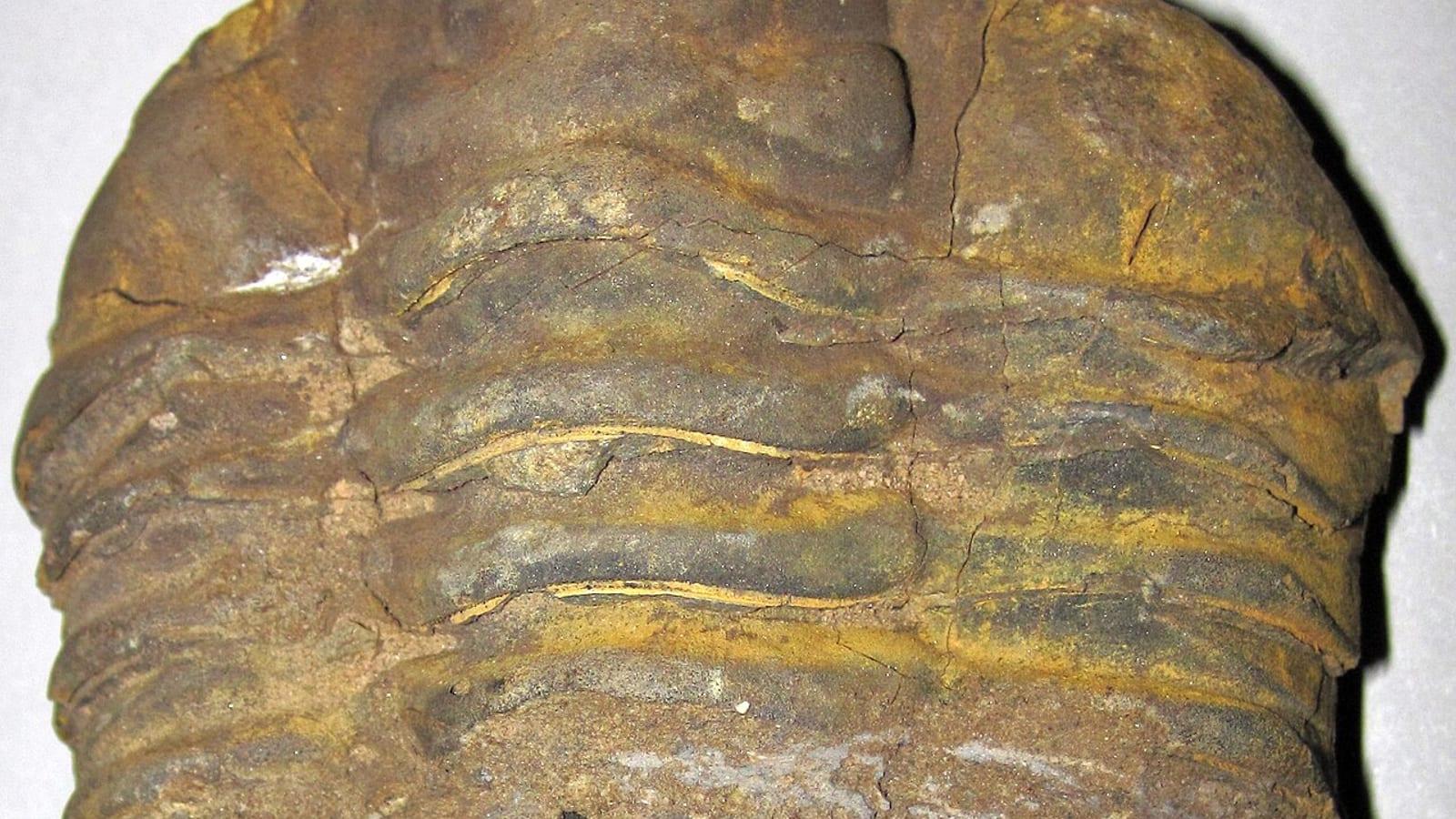 Bou Dib Fossil Site North Jbel Isoumour Alnif Fossil Hunting GuideBou Dib, Phacops
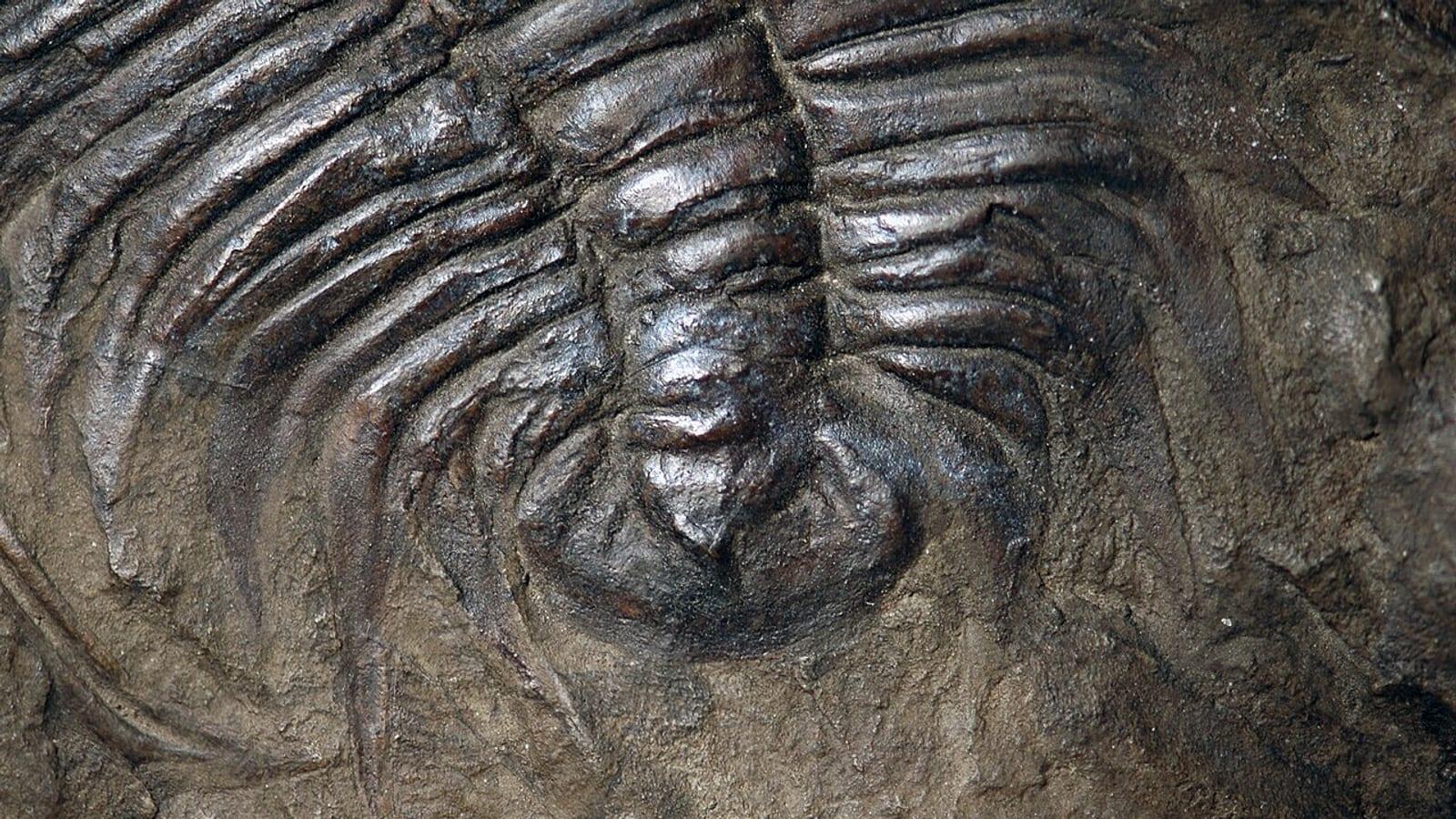 Cambrian Paradoxides Site North of Alnif Fossil Hunting GuideParadoxides, Cambropallas telesto
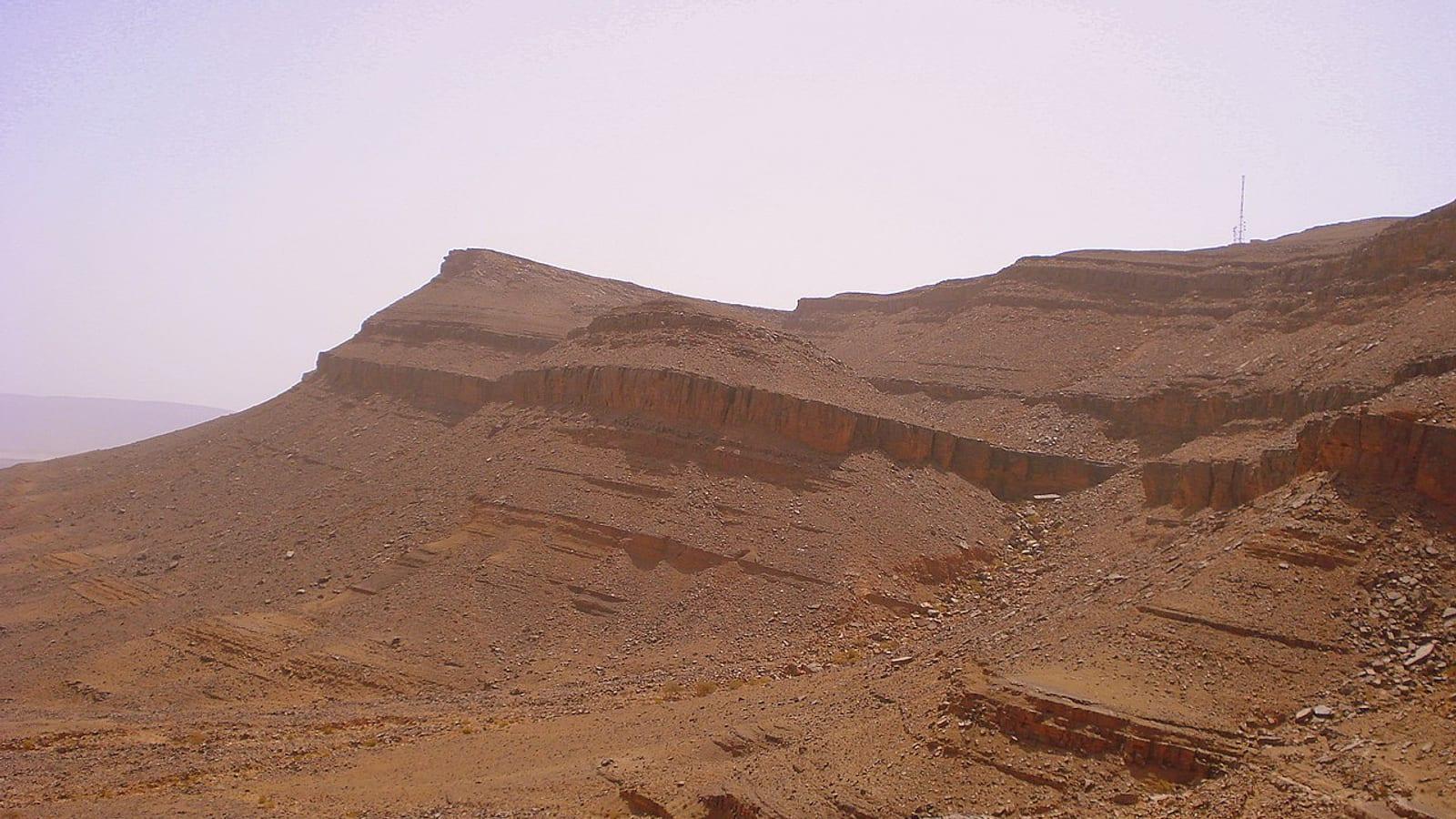 Jbel Tiskaouine Ordovician Trilobite Site Alnif Fossil Hunting GuideJbel Tiskaouine, Flexicalymene
 Saredrar Orthoceras Quarry Tazzarine Alnif Fossil Hunting GuideSaredrar Orthoceras Quarry, Orthocerids