Bou Dib Fossil Site North Jbel Isoumour Alnif Fossil Hunting Guide
Image: James St. John via Wikimedia Commons
Collect Devonian Phacops trilobites, brachiopods, and crinoids at Bou Dib fossil site north of Jbel Isoumour, near Alnif, Morocco. Guided half-day from 300 MAD.
North of the famous Jbel Isoumour escarpment, the Devonian limestone continues across lower terrain toward Bou Dib, a collecting locality that sits roughly 10 km north of Alnif and holds its own productive fossil horizons. Where Jbel Isoumour is known for spectacular spiny trilobites from deep marls, Bou Dib yields Phacops trilobites from shallower, more accessible outcrops, alongside brachiopods and crinoids. The site attracts collectors who want a less demanding approach — both physically and financially — than the full mountain excursion, while still reaching genuinely Devonian material in the field rather than buying from a shop.
This guide covers the route from Alnif, the geology of the Bou Dib outcrops, what fossils to expect, and how a guided visit operates.
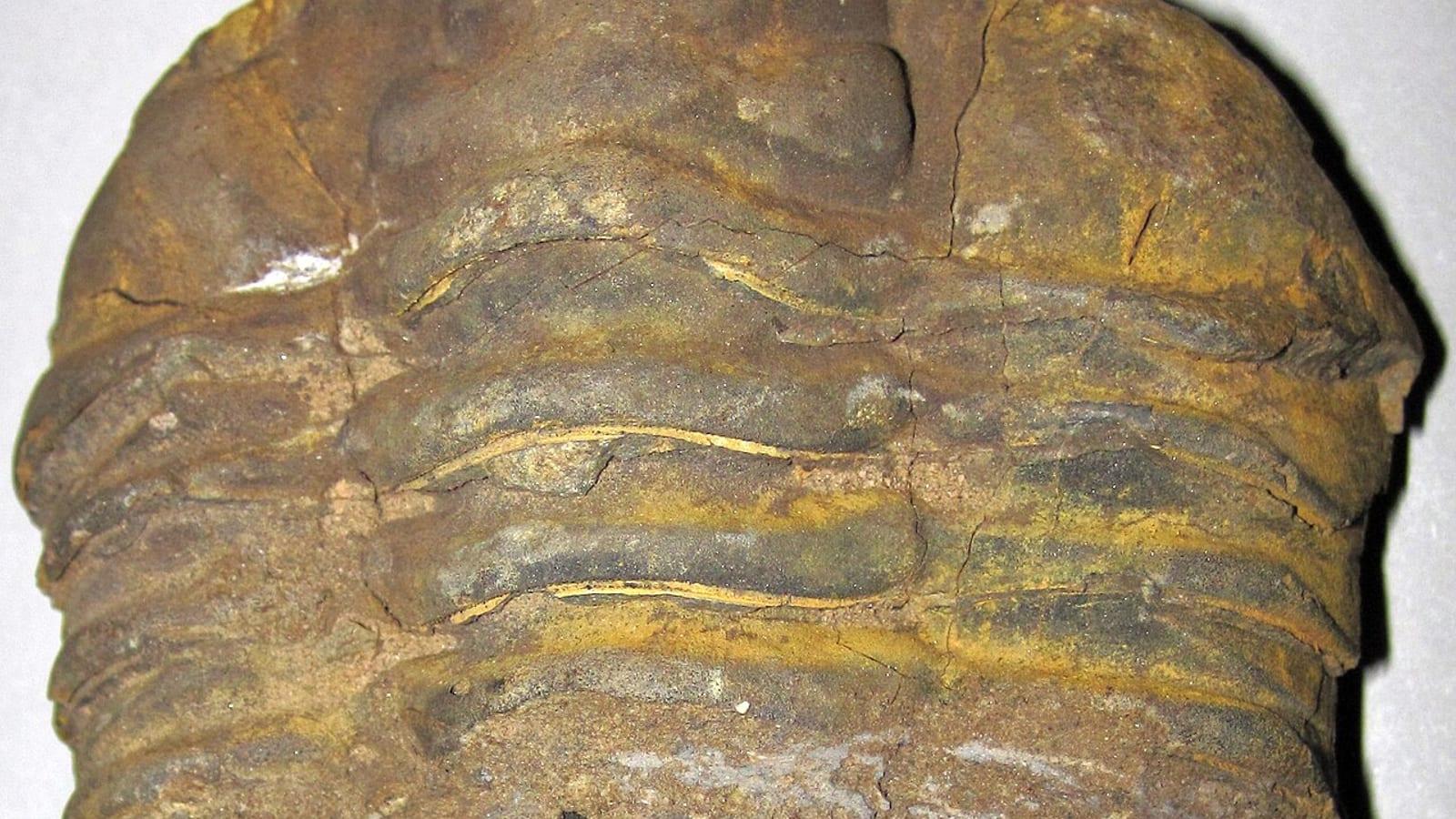
 Diacalymene ouzregui fossil trilobite (Upper Ktaoua Formation, Upper Ordovician; southeastern Morocco) 1.jpg. Photo: James St. John via Wikimedia Commons (CC BY 2.0)
Location and Getting There
Location
Bou Dib is located approximately 10 km north of Alnif, Draa-Tafilalt Region, southeastern Morocco, in the open desert terrain north of the Jbel Isoumour ridge. The site lies within the same broad Devonian outcrop belt as Jbel Isoumour and shares much of the same stratigraphy, though the productive horizons at Bou Dib occur in different facies. The area has no permanent structures and no postal address.
Getting There
From Alnif, arrange a guide and 4WD transport heading north along desert tracks. The drive takes approximately 30 to 45 minutes. Track conditions vary; sandy sections can be challenging after wind events. A guide is necessary for navigation and for arranging access with any local miners working the outcrops. Guide services in Alnif routinely combine Bou Dib with nearby localities such as the north Jbel Isoumour approaches for a full-day excursion.
What Fossils You'll Find
Phacops trilobites are the primary target at Bou Dib. This genus has a broad, distinctively convex glabella and large schizochroal eyes composed of widely spaced individual lenses, making it one of the most recognisable trilobite genera in the world. At Bou Dib, Phacops specimens occur in grey limestone and marl, typically as isolated cephala (head shields) and pygidia (tail shields), with complete articulated specimens present but less common. Sizes range from 2 to 7 cm. When you find a complete specimen, the bulbous front of the glabella is usually the first thing that catches the eye in broken rock.
 Phacops rana.jpg. Photo: Didier Descouens via Wikimedia Commons (CC BY-SA 4.0)
Brachiopods are abundant associates at this locality. Both articulate and disarticulate valves occur in the limestone beds, with terebratulid and spiriferid forms most common. They are identifiable by their bilaterally symmetrical paired valves, each with a distinctive beak at the posterior end.
Crinoid columnals — the circular disc-shaped stem segments of sea lilies — appear as small circular or star-shaped objects scattered through the limestone. Individual columnals are common; articulated sections of stem with multiple columnals attached are rarer and worth collecting when found.
Occasional trilobite fragments from genera other than Phacops turn up in the waste material, reflecting the diverse trilobite fauna of the broader Devonian shelf. Goniatite fragments appear in some beds.
Geologic History
The Ancient Environment
The Bou Dib outcrops expose Devonian marine sediments deposited approximately 400 to 385 million years ago, in the Emsian to Givetian stages. These rocks correlate broadly with the same Devonian shelf sequence that produced the spectacular faunas of Jbel Isoumour to the south. The Bou Dib facies are slightly different, representing a shallower, higher-energy portion of the same marine shelf, where carbonate production was driven by a benthic community of brachiopods, crinoids, and trilobites living in well-oxygenated shallow water. The Phacops trilobites found here were active seafloor predators and scavengers, using their large compound eyes to detect prey and movement in the water column above.
The Draa-Tafilalt Basin in which these sediments were deposited formed part of the passive margin of the Gondwana supercontinent during the Devonian, covered by the warm Rheic Ocean. Periodic storm events reworked the seafloor and created the accumulations of fossil material visible in the productive horizons today.
How Bou Dib Became a Fossil Site
Fossil collecting at Bou Dib developed in parallel with the broader expansion of the Alnif fossil trade from the 1980s onward. The site is smaller and less systematically mined than Jbel Isoumour, and it functions as a supplementary locality that local guides add to excursion itineraries when introducing visitors to the range of Devonian fauna available in the region. Active collecting by local families continues at the site, and fresh material turns up regularly in the loose debris around current working areas.
Visiting and Collecting Information
Access and What to Expect
Visiting Bou Dib requires a guide arranged in Alnif. Half-day excursion fees including transport run approximately 300 to 600 MAD (30 to 60 USD). The site is typically included in a full-day itinerary combining multiple Devonian localities north and northwest of Alnif. Visitors may search loose material and waste debris for Phacops cephala, brachiopod valves, and crinoid columnals. Prepared specimens are available for purchase from any miners present. Up to 5 kg of material for personal collection is a reasonable quantity.
What to Bring
Carry a minimum of 2 litres of water per person. Wear sun protection — hat, long sleeves, sunscreen — and sturdy closed-toe boots. A geology hammer and chisel improve your results significantly. Wrap specimens in newspaper for the drive back. Cash in dirhams only; there are no card payment facilities at the site.
Safety and Practical Tips
Visit October through April. Summer temperatures in this open desert terrain consistently exceed 40°C. The terrain at Bou Dib is less rugged than the mountain sites, but loose rock and uneven ground require careful footing. Follow your guide's lead on which areas are safe to work. Moroccan export regulations permit tourists to take up to 10 personal-use fossil specimens out of the country without a permit.
Sources
Nearby sites
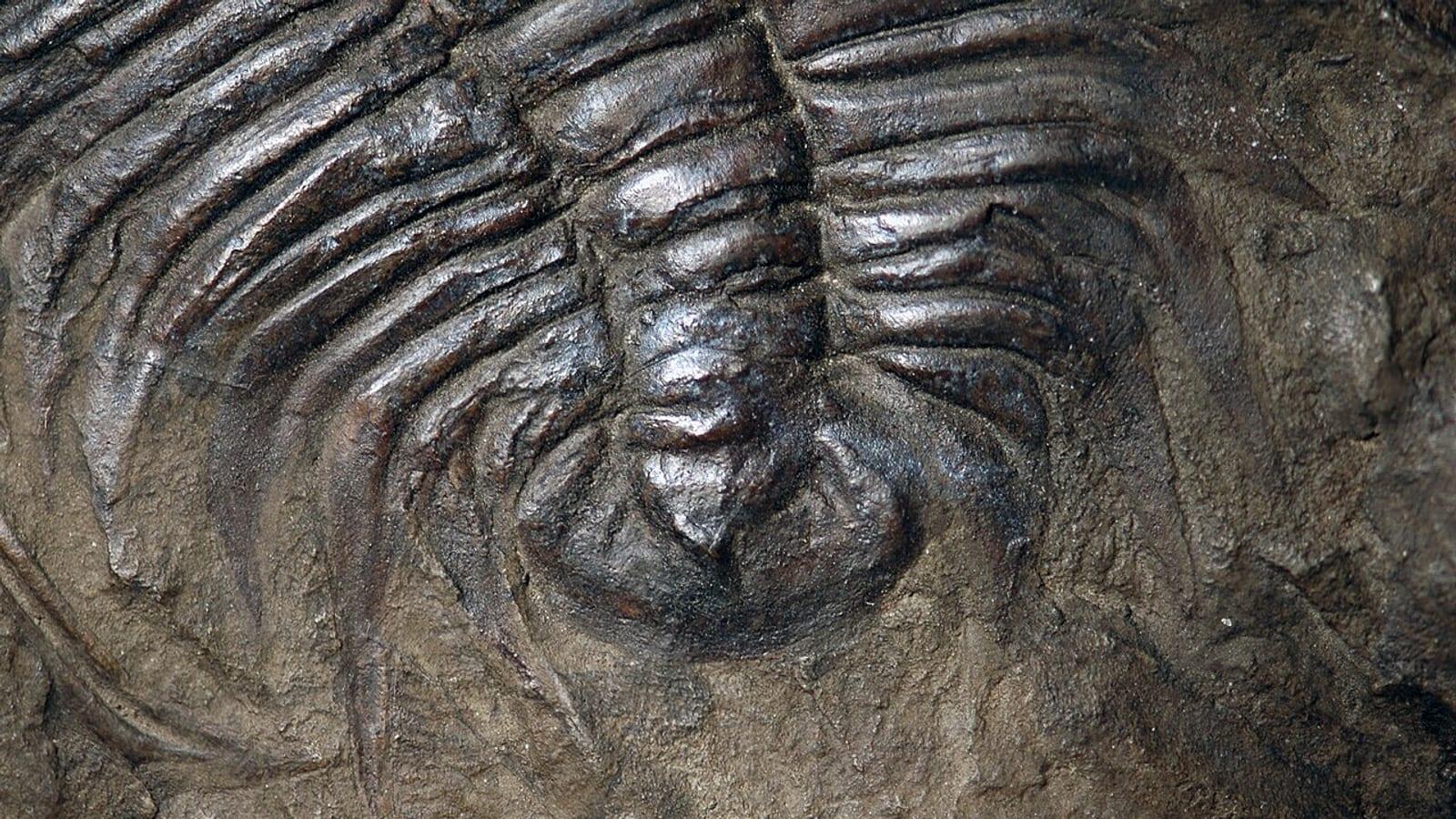 Cambrian Paradoxides Site North of Alnif Fossil Hunting GuideParadoxides, Cambropallas telesto
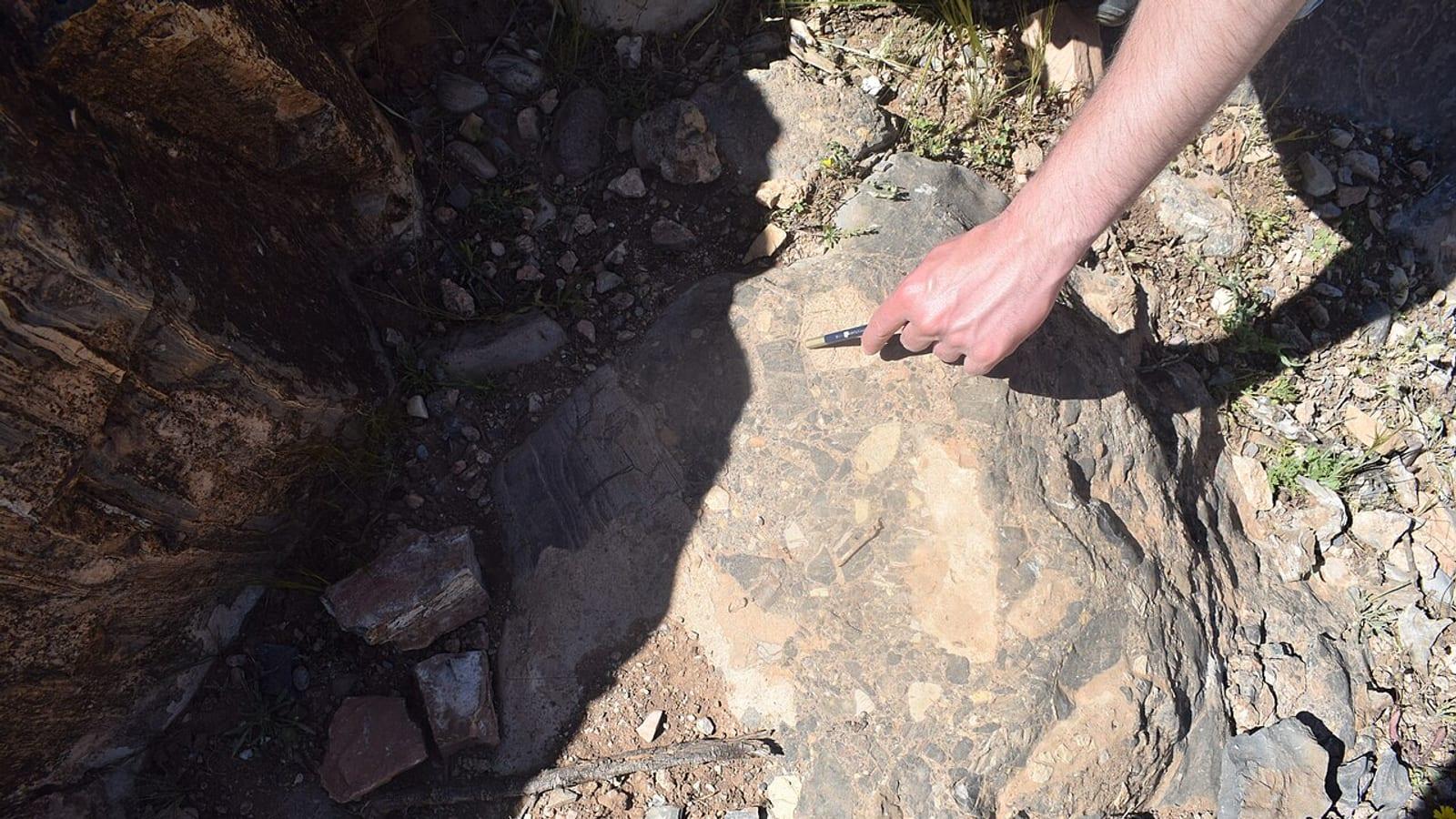 Jbel Isoumour Trilobite Mine Alnif Fossil Hunting GuideJbel Isoumour, Psychopyge
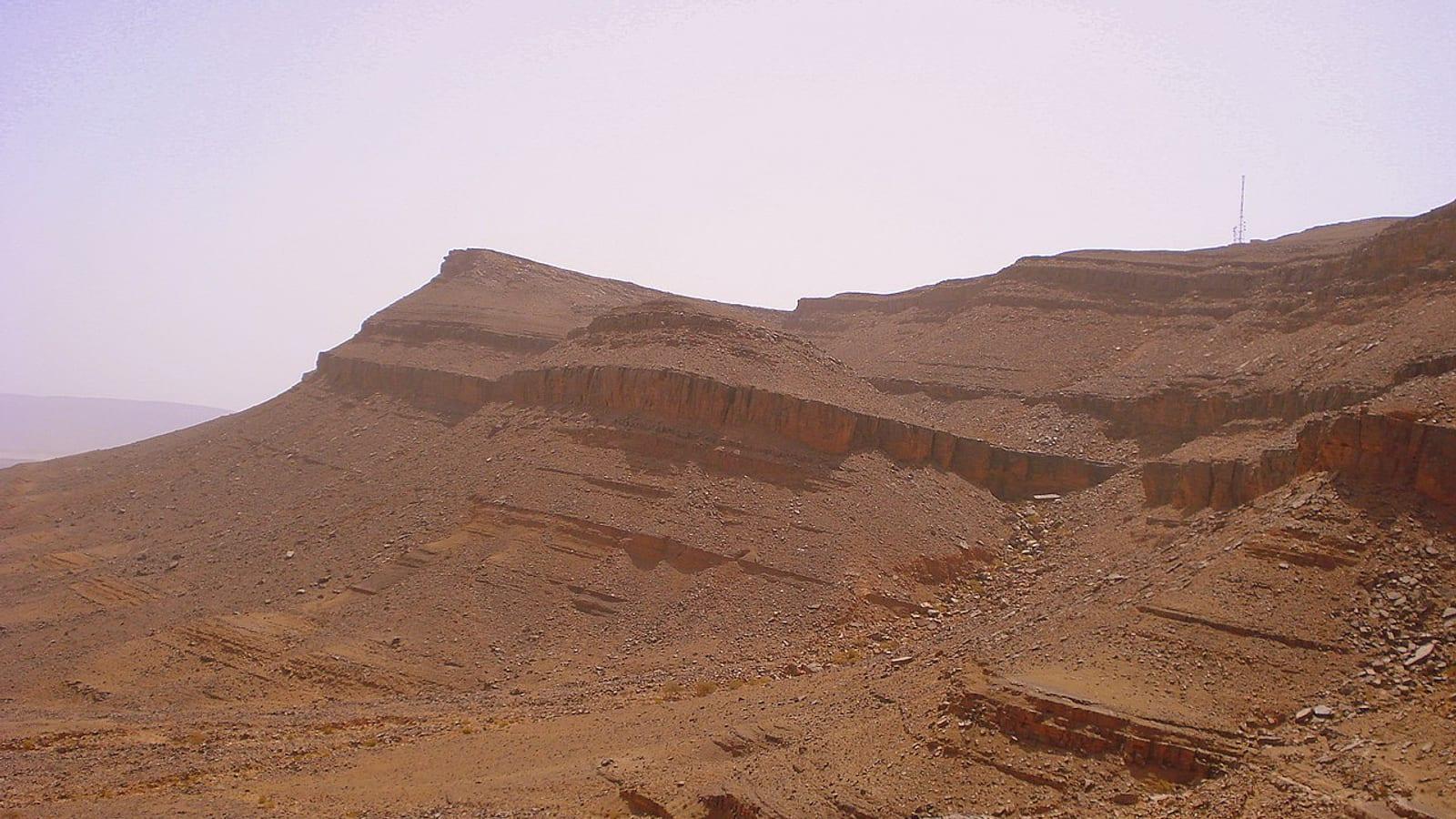 Jbel Tiskaouine Ordovician Trilobite Site Alnif Fossil Hunting GuideJbel Tiskaouine, Flexicalymene
 Saredrar Orthoceras Quarry Tazzarine Alnif Fossil Hunting GuideSaredrar Orthoceras Quarry, Orthocerids