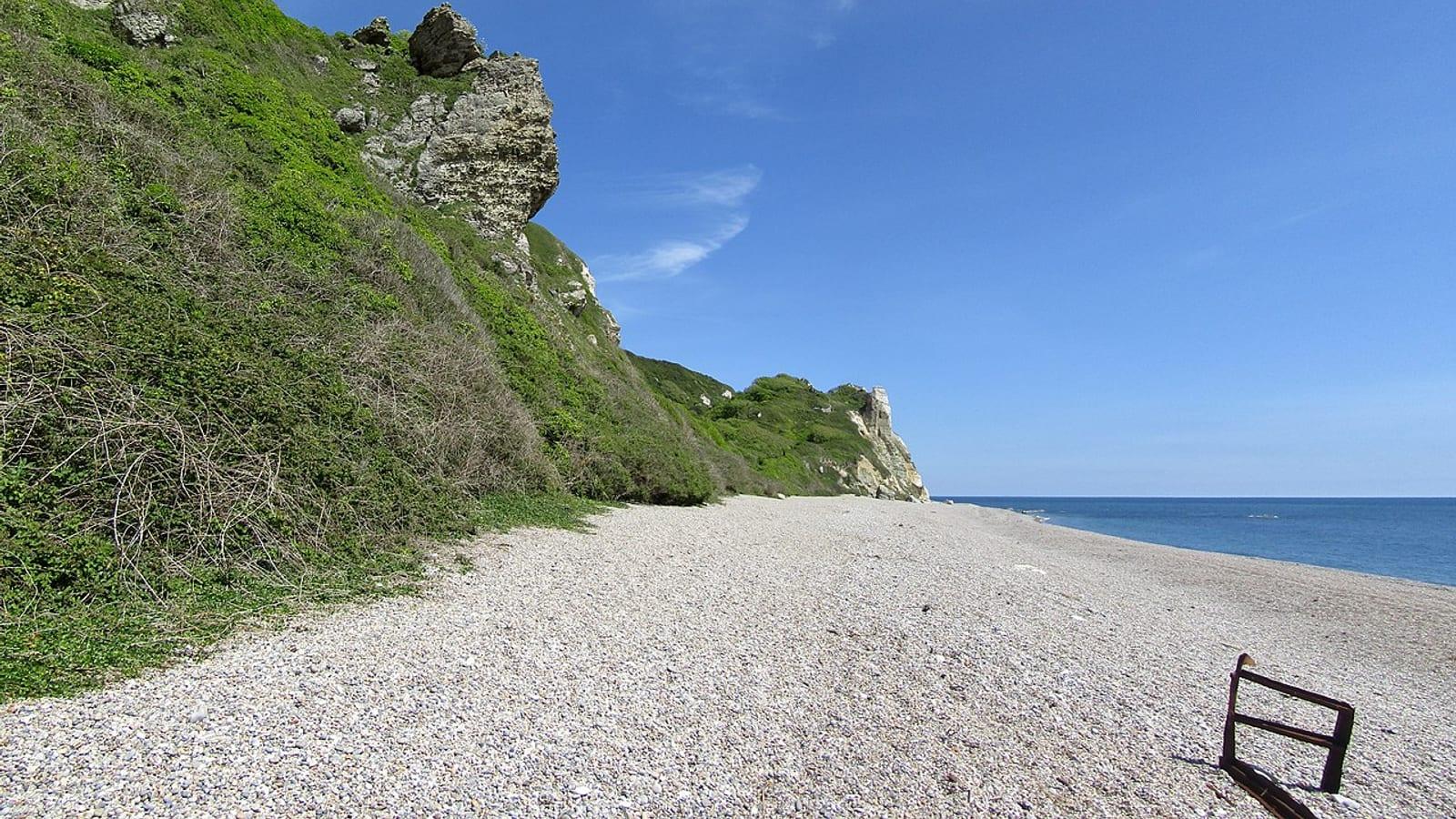
Hooken Cliff Beer Devon Fossil Hunting Guide
Image: Partonez via Wikimedia Commons
Hooken Cliff near Beer in Devon exposes Cretaceous chalk and greensand yielding echinoids, ammonites, fish remains, and brachiopods on a dramatic landslip coast.
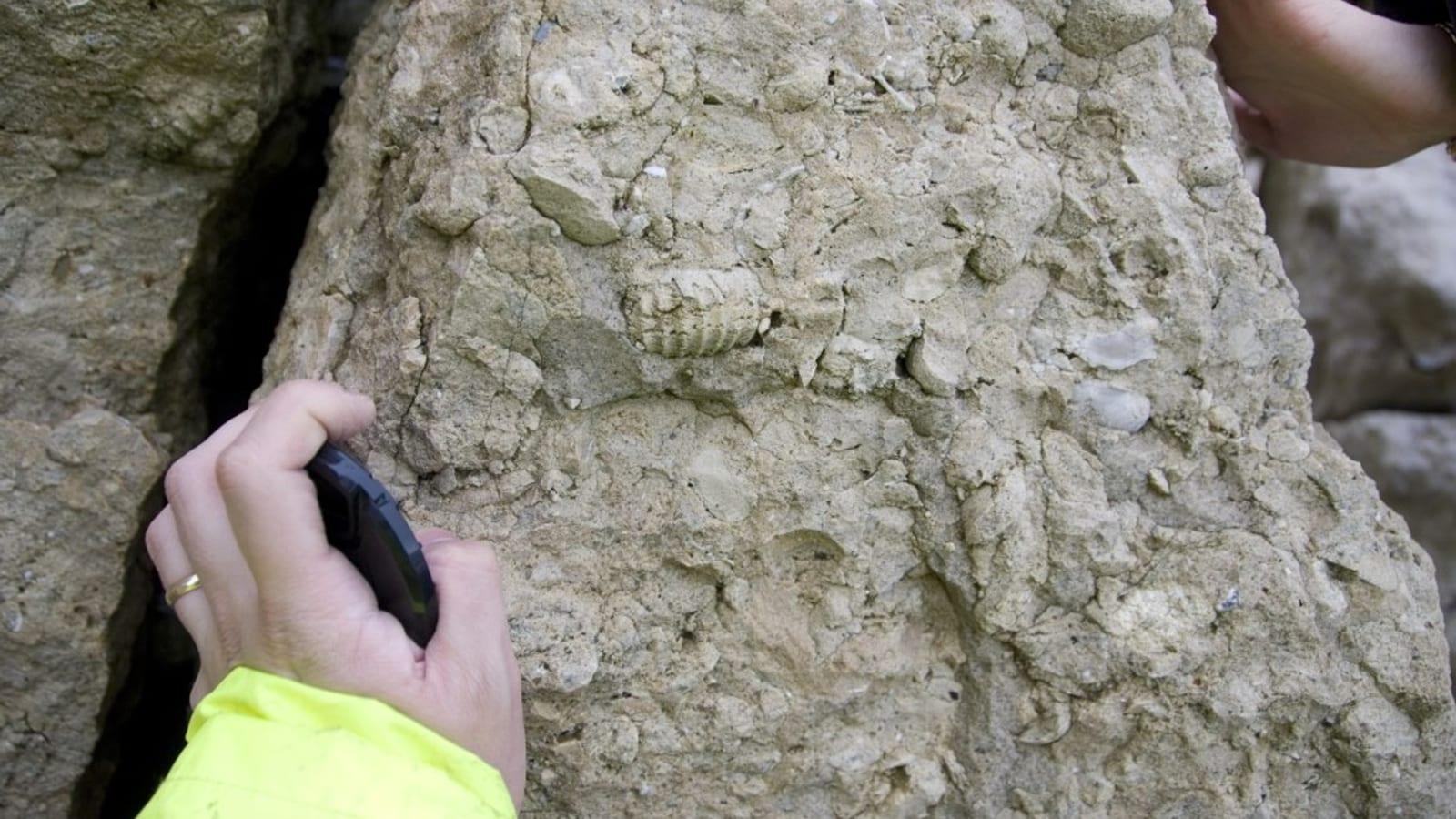
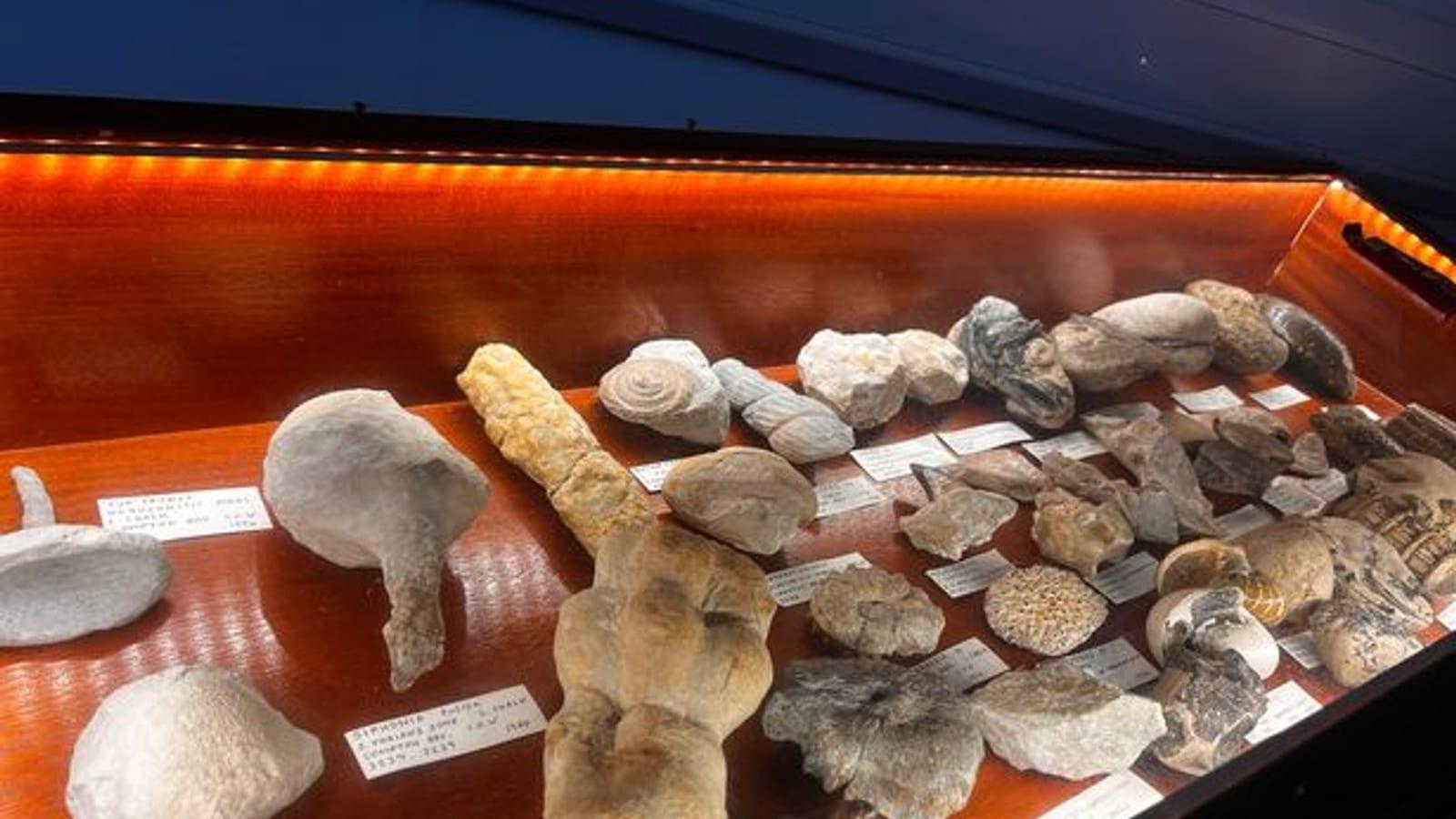
Hooken Cliff, rising above the shoreline west of Beer in East Devon, exposes one of the most complete sequences of Upper Cretaceous strata accessible to collectors anywhere along the English Channel coast. Within a single walk you can move through the Upper Greensand Formation, the Grey Chalk Subgroup, and into the White Chalk Subgroup (Seaton Formation), each layer yielding its own suite of fossils. Echinoids are the headline find here: well-preserved heart urchins and sea urchins emerge from the chalk in good condition, and some have been found almost complete. Ammonites occur in the greensand and lower chalk, alongside fish remains including shark teeth and vertebrae. Brachiopods appear throughout the chalk sequence, often in clusters that suggest original life positions on the ancient seabed.
Hooken Cliff is part of a dramatic landslip zone, which means the geology is constantly being refreshed as blocks detach from the cliff face and new material is exposed. This guide covers the approach from Beer village, what to look for in each formation, the geological story behind the site, and the collecting rules that apply to this stretch of coast.
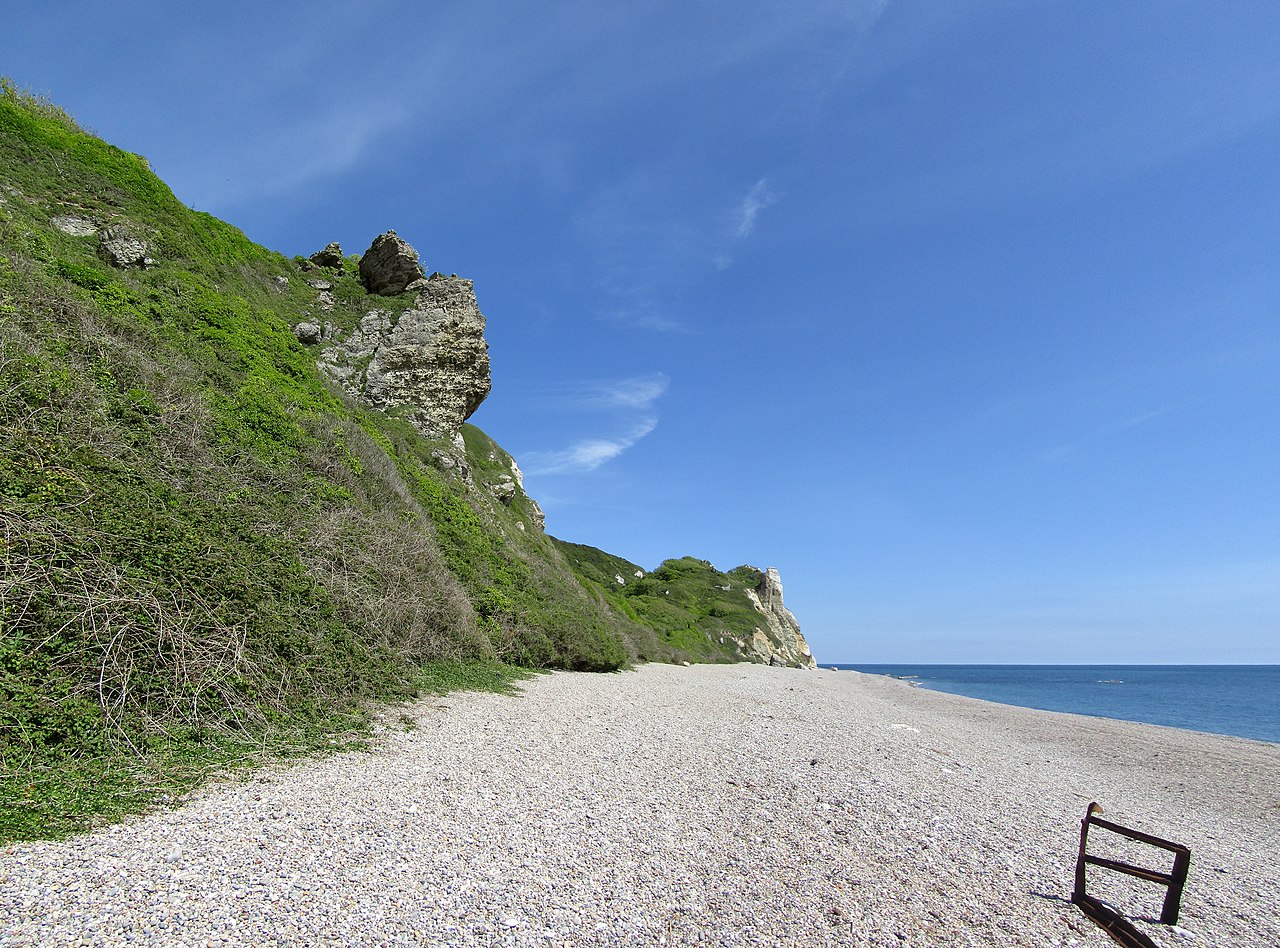 Hooken Beach.jpg. Photo: Partonez via Wikimedia Commons (CC BY-SA 4.0)
Location and Directions
Address
Hooken Cliff is located on the South West Coast Path west of Beer village, near Beer, East Devon, England. The cliff face and foreshore below can be reached on foot from Beer; there is no road access to the base of the cliff itself.
Directions and Parking
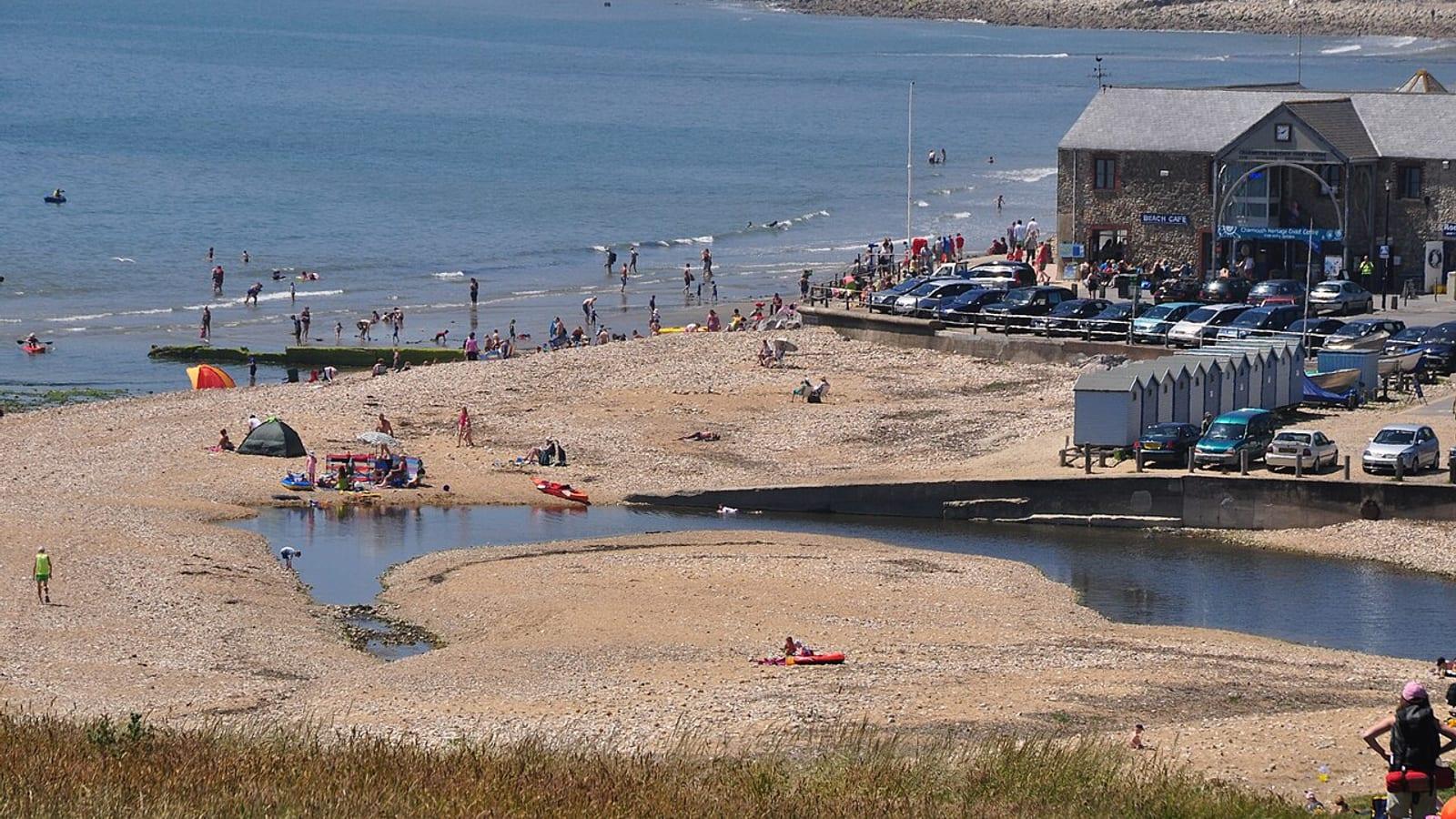
From the A3052 between Seaton and Sidmouth, follow signs into Beer village. Park in the main Beach Car Park in Beer (postcode EX12 3ET), which is pay-and-display and can accommodate cars and small motorhomes. From the car park, walk down to Beer beach and head west along the beach until the beach ends at the base of the cliffs. Alternatively, pick up the South West Coast Path at the western edge of Beer and follow it along the clifftop for views down into the Hooken landslip area. Note that landslip terrain is inherently unstable: paths shift, new cracks appear, and the ground between chalk pinnacles can be uneven and slippery when wet. You should check the condition of any path before descending. The view from Beer beach looking west toward Hooken is also productive, allowing you to assess the state of the cliff face and spot recently fallen material before committing to a longer walk.
What Fossils You'll Find
Echinoids are the most commonly reported and often most visually impressive finds at Hooken Cliff. Both regular echinoids (sea urchins) and irregular echinoids (heart urchins such as Micraster) occur in the chalk. Look for the distinctive five-fold symmetry and, in intact specimens, the preserved test. Chalk echinoids are often found as internal moulds or with the test still in place but fragile; handle them carefully and support them fully when lifting.
 Fossil Echinoid Folklore Fairy Loaf.jpg. Photo: Malcolm Lidbury (aka Pink pasty) via Wikimedia Commons (CC BY-SA 3.0)
Ammonites occur primarily in the Upper Greensand and lower chalk horizons. They are typically found as internal moulds with some degree of pyritisation in the greensand, or as chalk-replaced forms in the lower Grey Chalk. Larger ammonites may require careful excavation from soft matrix; smaller fragmentary specimens are more commonly found loose on the foreshore after storms.
Fish remains including teeth, vertebrae, and occasional fin spines are scattered through the greensand and lower chalk. Shark teeth from species such as Cretolamna are small but distinctive, with a smooth enamel face. You will need to search systematically through loose material on the beach below the cliff to find them.
Brachiopods appear throughout the chalk sequence and are often found in clusters. Inoceramus bivalve fragments (sometimes mistaken for brachiopods by beginners) are also common and recognisable by their distinctive prismatic shell structure.
Geologic History
The Ancient Environment
The rocks exposed at Hooken Cliff span roughly 100 to 93 million years ago, from the Cenomanian to the Turonian stages of the Late Cretaceous. At that time, southern England lay beneath a warm, shallow epicontinental sea positioned at subtropical latitudes. The Upper Greensand Formation, which forms the base of the visible sequence, was deposited in a nearshore to inner shelf environment where sand and glauconite accumulated in well-oxygenated, moderately energetic water. As sea level rose during the Cenomanian transgression, the seafloor deepened and the supply of terrigenous sediment diminished, allowing carbonate production to dominate. The result was chalk: a fine-grained limestone composed almost entirely of the calcite plates of coccolithophores, the microscopic algae that bloomed in vast numbers in the warm, clear Cretaceous ocean. The Grey Chalk Subgroup represents the early stages of chalk deposition, with the rock still carrying some clay impurities. The White Chalk Subgroup (Seaton Formation) above it represents fully pelagic carbonate conditions, with negligible clay input and high biological productivity. The animals living on and above this seabed included echinoids grazing on organic material in the sediment, ammonites swimming in the water column, fish hunting through shoals of invertebrates, and brachiopods filter-feeding from the seafloor.
How Hooken Cliff Became a Fossil Collecting Site
Hooken Cliff owes its fossil accessibility to one of the most dramatic coastal landslips on the Devon coast, which occurred in 1790 and deposited an estimated ten acres of cliff into the sea, creating a chaotic landscape of chalk pinnacles, displaced blocks, and slumped material that persists today. This catastrophic event exposed fresh chalk and greensand surfaces that had not been weathered, bringing fossils to light in abundance. Since then, ongoing coastal erosion and smaller slippage events have continued to refresh the exposures. The soft chalk is vulnerable to wave action at the base and to frost shattering higher up, meaning new material regularly detaches from the parent cliff and accumulates on the foreshore below. Collectors benefit most from visiting after prolonged wet weather or storm events in winter, when fresh faces are exposed and loose material has accumulated on the beach.
Collecting Rules and Regulations
Is Fossil Collecting Allowed?
Hooken Cliff sits within the East Devon Area of Outstanding Natural Beauty and falls along a stretch of coast that is part of the Jurassic Coast UNESCO World Heritage Site buffer zone. The beach and foreshore are generally accessible to the public, and casual surface collecting of loose material from the beach is permitted under the legal principle of foreshore rights. You must not hammer directly into the cliff face, undercut the base of the cliff, or remove rock from in-situ exposures. The chalk is a soft and structurally fragile rock, and interference with the cliff base significantly increases the risk of collapse. If the area falls within or adjacent to an SSSI (Site of Special Scientific Interest), which much of this coastline does, any damage to geological features is a criminal offence under the Wildlife and Countryside Act 1981. Surface collection of material that has already fallen naturally is considered acceptable practice by the British Geological Survey and fossil collecting bodies such as the Geological Society of London, provided quantities remain reasonable and finds of exceptional scientific significance are reported.
Recommended Tools
A geological hammer and cold chisel are useful for splitting nodules and opening soft greensand blocks, but you should use them on loose material on the beach rather than on the cliff face. A stiff brush helps clean chalk from specimens in the field. Bring padded wrapping material, such as newspaper or foam, to protect fragile echinoids and ammonites on the walk back. Sturdy footwear with ankle support is important given the uneven landslip terrain. A tide table is essential: check the times for Lyme Regis or Seaton, which are the nearest reference points.
Safety
Landslip terrain is the primary hazard at Hooken Cliff. The chalk pinnacles and displaced blocks are structurally unstable, and the ground between them can conceal voids or soft patches. Do not approach the base of the active cliff face, particularly after wet weather. Falling material from the cliff above is a serious risk with no warning. Keep an eye on the tide, as the beach at the base of Hooken can be cut off at high water. Visit with at least one other person, carry a charged mobile phone, and tell someone your planned route and return time.