Beer Head Fossil Hunting Guide
Discover echinoids, ammonites, brachiopods, bivalves at Beer Head in Beer, Devon. Complete guide with directions and geology.
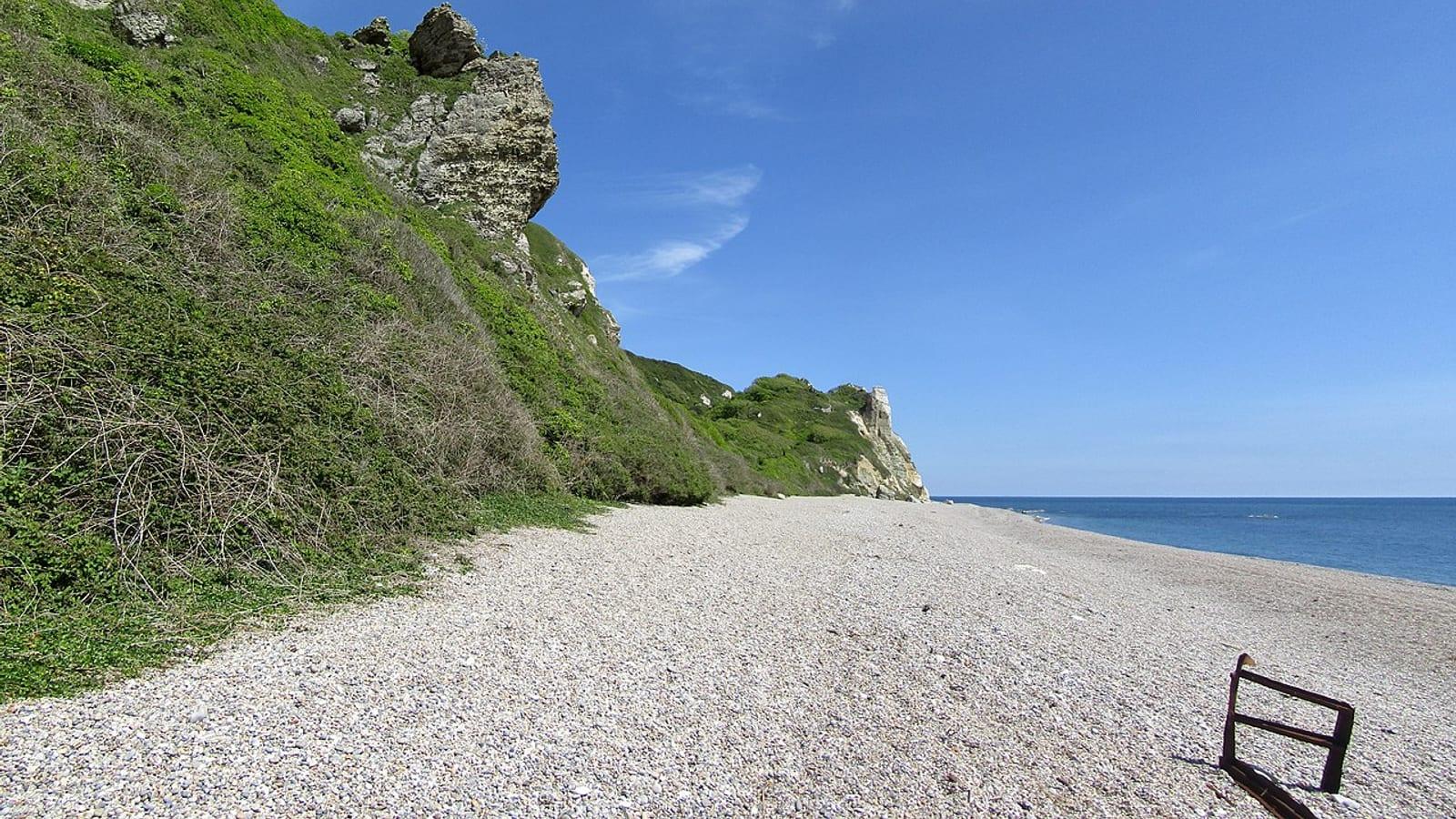
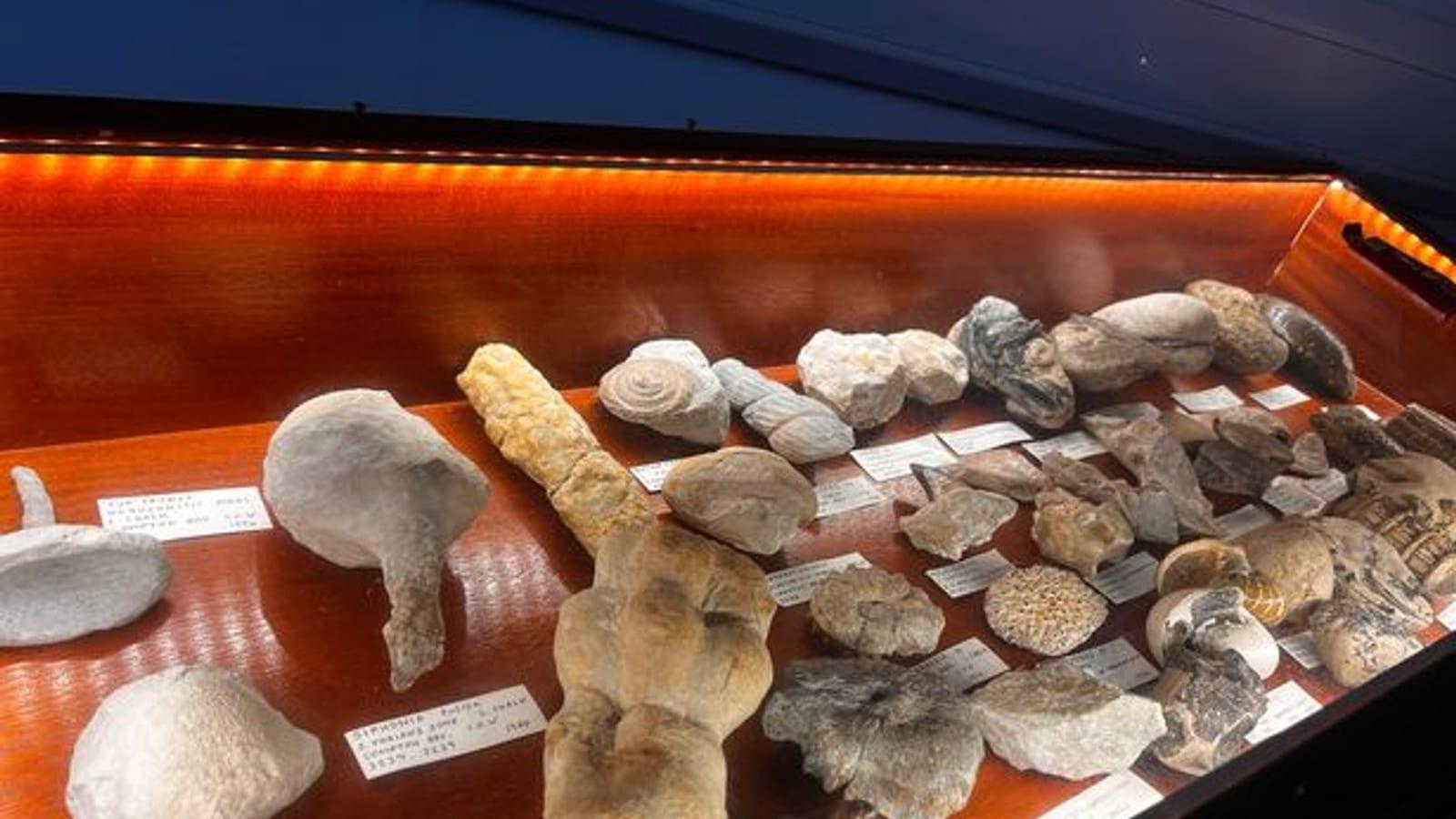
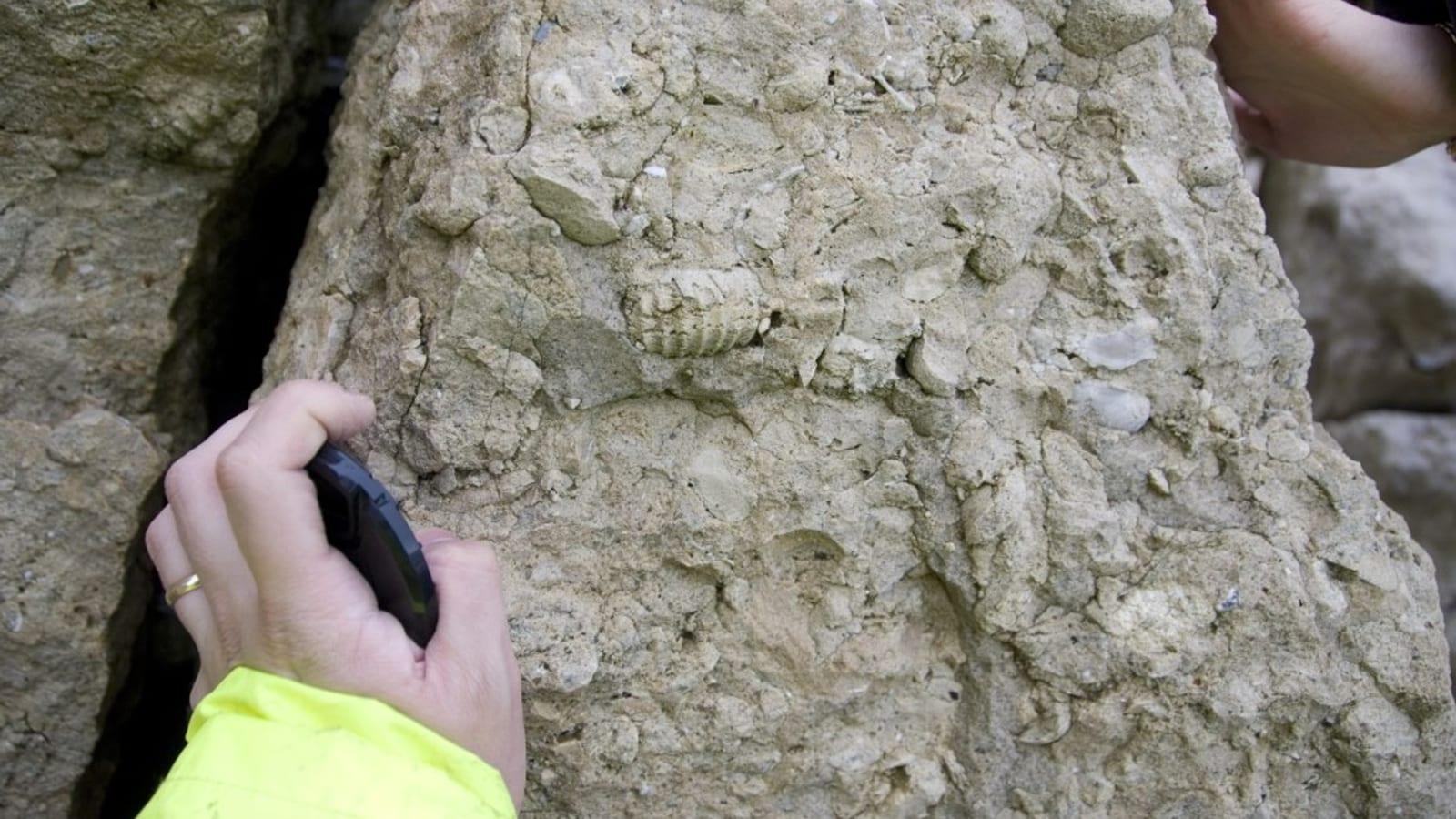
The Beer Head cliffs show good chalk exposures for fossil collecting and is part of the Jurassic Coast. Fossils collected from fallen blocks include echinoids, ammonites, brachiopods and bivalves.
Location and Directions
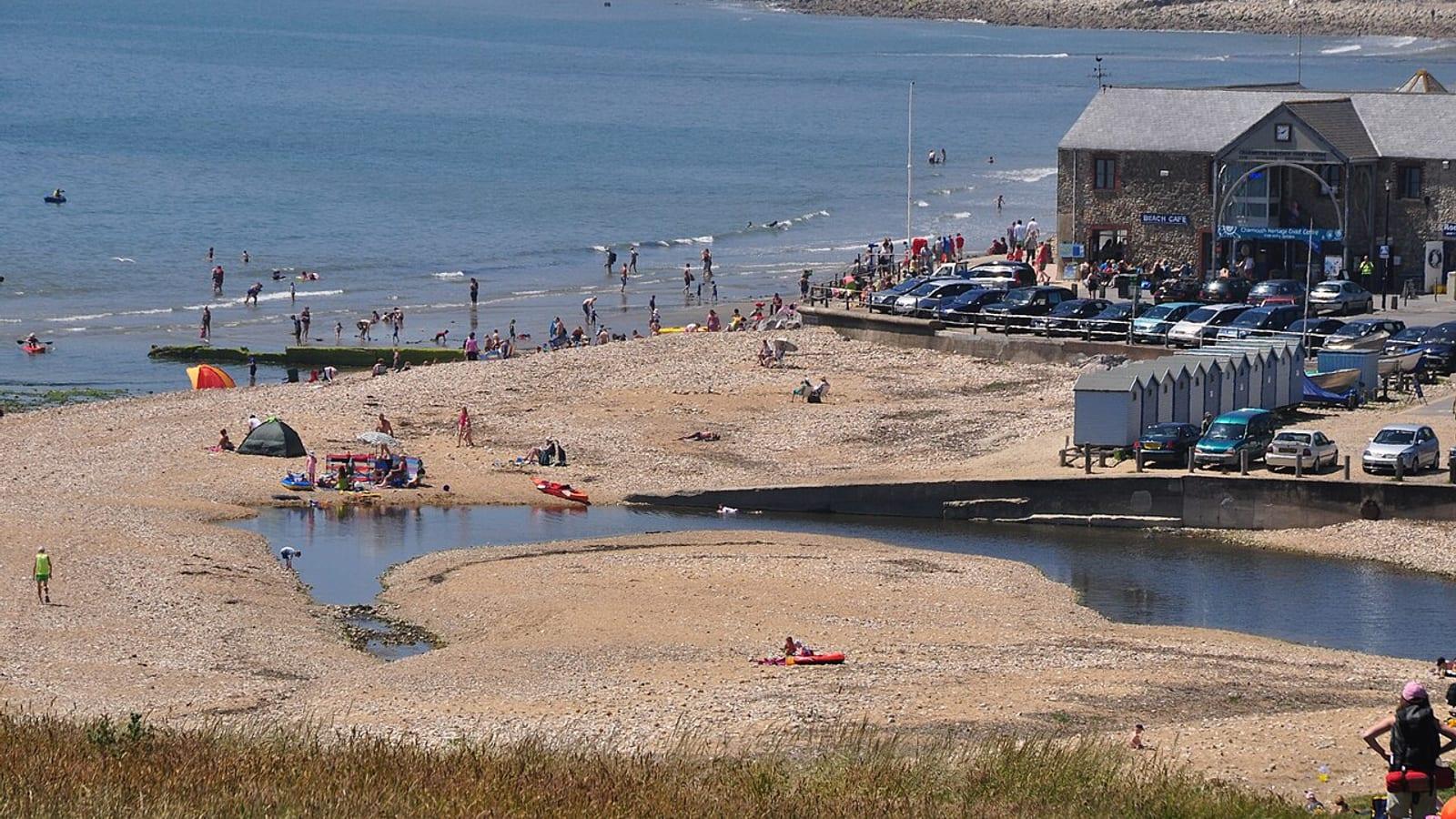
Beer Head can be found at Beer Head, South West Coast Path, Beer, Devon EX12.
From Beer village, follow South West Coast Path signs east toward Beer Head. The clifftop path is accessible from the village and the dramatic white chalk cliffs are visible from the walking path. You can collect from fallen blocks on the foreshore below cliffs (tide permitting). Do not climb cliffs - they are unstable so please be careful.
What Fossils You’ll Find
The most commonly found fossils at Beer Head are echinoids, ammonites, brachiopods, bivalves from the Cretaceous (Cenomanian to Turonian, ~95-89 Ma) period.

Geologic History
The site exposes the Chalk Group (White Chalk Subgroup).
The fossils formed in a pure white chalk deposited in warm, clear shallow seas during Late Cretaceous (Cenomanian-Turonian, ~95-89 Ma). Chalk formed from microscopic coccolithophore algae accumulating on seafloor. The Late Cretaceous (Cenomanian-Turonian, ~95-89 Ma) was a greenhouse period for this area with very high global sea levels. The Beer Head area was submerged beneath warm, clear tropical to subtropical seas. Sea temperatures were also significantly warmer than the present day.
Site History
Beer Head is part of the UNESCO World Heritage Jurassic Coast despite the fossils collected here being Cretaceous age. The area was historically quarried for Beer Stone (a form of chalk) used in construction including Exeter Cathedral.
Sources
- British Geological Survey
- Jurassic Coast Trust
- South West Coast Path
- UK Fossils Network https://ukfossils.co.uk/
- accessed December 9, 2025