Fezouata Biota Locality Zagora Fossil Hunting Guide
Image: YoTuT from United States via Wikimedia Commons
The Fezouata Biota near Zagora, Morocco is an Ordovician Lagerstätte preserving anomalocaridids and soft-bodied fossils; guided collecting tours depart from Zagora.
The Fezouata Formation near Zagora in southern Morocco preserves one of the most scientifically significant Early Ordovician fossil assemblages known anywhere on Earth. Named after the Fezouata locality where the key sections were first studied, this Konservat-Lagerstätte contains not just hard-shelled organisms but the soft tissues of animals that normally vanish without trace: anomalocaridids, the large apex predators of the Cambrian that persisted longer than previously known, along with soft-bodied polychaete worms, brachiopods, echinoderms, and a diverse trilobite fauna. The Fezouata Biota, described scientifically in groundbreaking papers by Peter Van Roy and colleagues beginning in 2010, pushed back the known range of several key animal groups and overturned assumptions about when Cambrian-type faunas disappeared.
Access to the primary scientific locality is restricted and guided. This guide covers the geological context of the Fezouata Formation, the types of fossils present, how to arrange a guided visit from Zagora, and what you can expect to see and collect during a legitimate excursion.
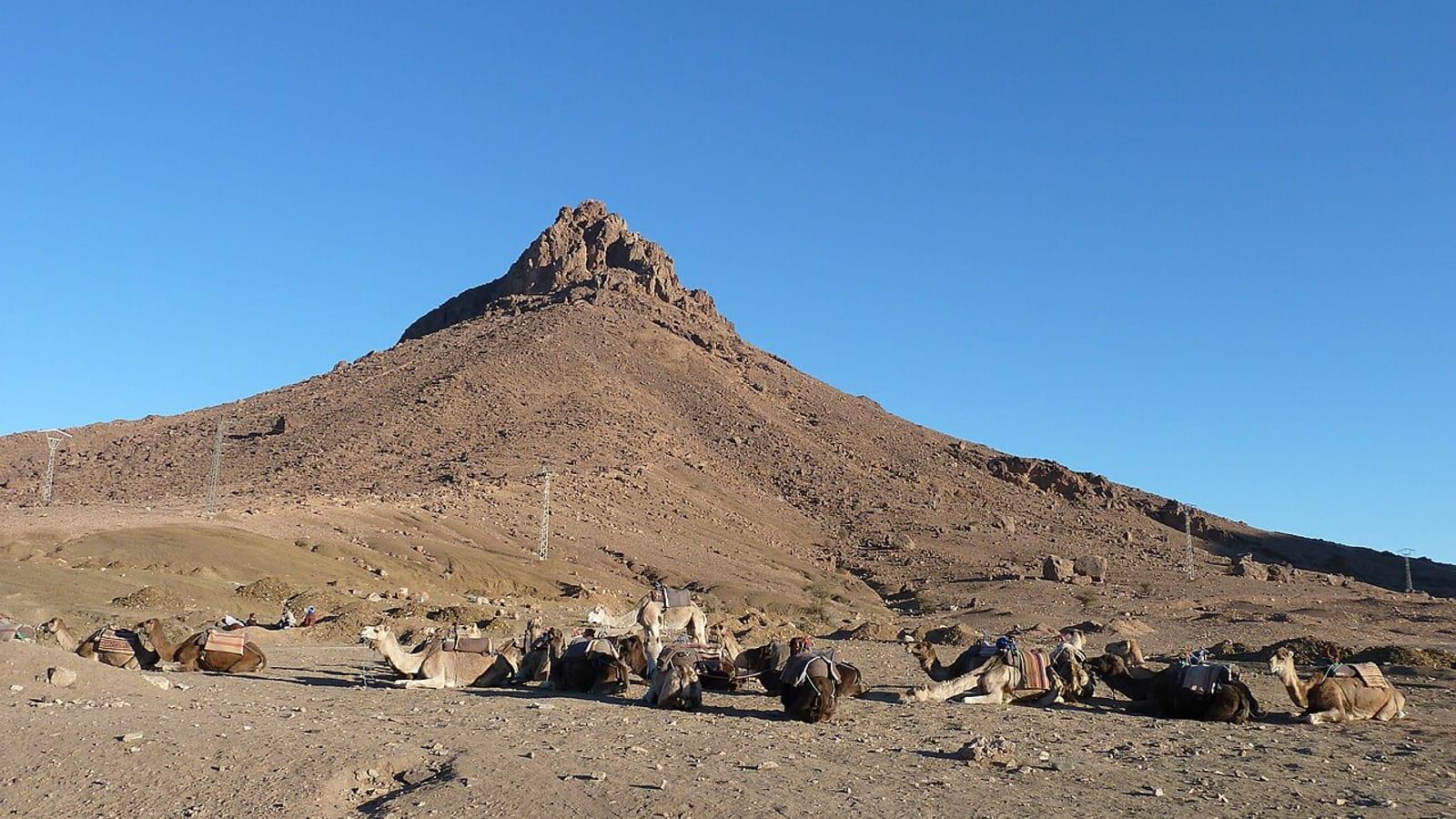
 Mount Zagora, Morocco (5422834133) (6).jpg. Photo: YoTuT from United States via Wikimedia Commons (CC BY 2.0)
Location and Getting There
Location
The Fezouata Formation crops out in the Zagora Province of southern Morocco, in the valley between Zagora and Tamegroute, and in exposures further north along the Draa River valley. Zagora itself sits approximately 165 km south of Ouarzazate via the N9 and R108 roads. The town is a regional hub with hotels, restaurants, and vehicle hire. The principal Fezouata fossil localities are located in the Anti-Atlas foothills and desert exposures within a 15 to 40 km radius of Zagora.
Getting There
From Ouarzazate, take the N9 southeast to Agdz, then the R108 south along the Draa River valley to Zagora. The journey takes approximately 2.5 to 3 hours. From Zagora, guided excursions to the Fezouata localities depart by 4WD vehicle. The outcrops are accessed via unpaved tracks across the desert plateau; distances range from approximately 15 to 40 km from town depending on the specific section visited. Guide and expedition services are available through Zagora hotels and local paleontology guides who specialize in fossil tours. Arrange your guide in advance, especially during peak tourist seasons from October through March. There is no public transport to the fossil outcrops.
What Fossils You'll Find
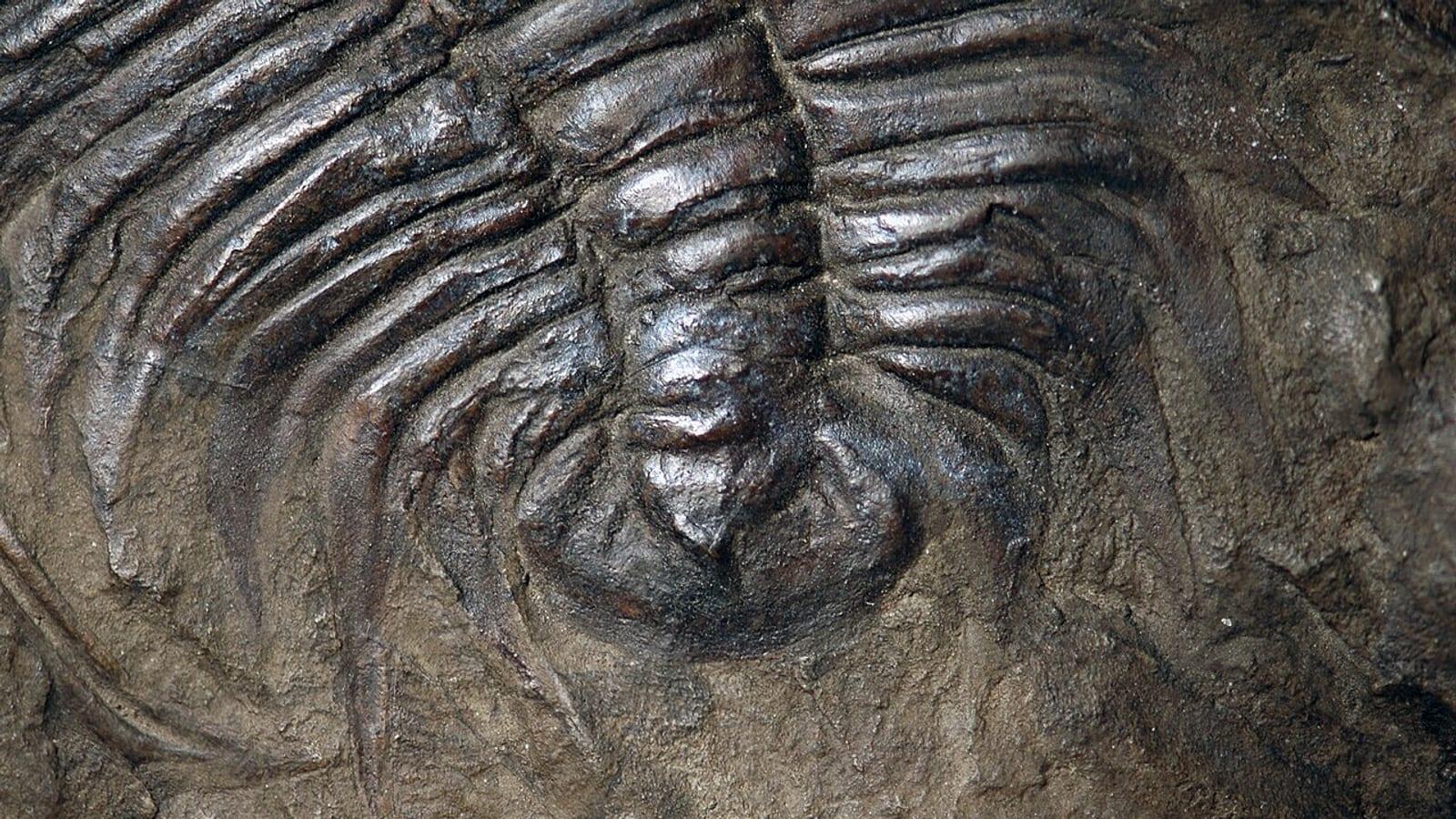
Trilobites form the most commonly encountered fossils in the Fezouata Formation at accessible localities. The fauna includes several genera characteristic of Early Ordovician Gondwanan trilobite faunas, preserved as flattened impressions in fine shale and siltstone. Pyritized and partially mineralized forms occur in specific horizons.
 Figure 5 - Isolated ornamented eurypterid cuticle from the Early Ordovician (upper Tremadocian) Fezouata Biota of Morocco.jpg. Photo: Peter Van Roy, Jared C. Richards, & Javier Ortega-Hernández via Wikimedia Commons (CC BY 4.0)
Anomalocaridids are the most scientifically celebrated element of the Fezouata Biota. These large predatory animals, related to the arthropod lineage, had been thought to disappear at the end of the Cambrian. The Fezouata specimens, attributed to the genus Aegirocassis among others, show that anomalocaridids survived well into the Ordovician, with some Fezouata forms apparently adapted for filter-feeding rather than predation. Soft tissue impressions of these animals are the province of the professional scientific excavations rather than commercial collecting.
Echinoderms, including cystoids, edrioasteroids, and stylophoran carpoids, occur in the formation and represent early stages of echinoderm diversification. Brachiopods of several types, nautiloid cephalopods, and worm tubes are associated with the trilobite-bearing layers. At commercially accessible outcrops around Zagora, prepared trilobites from the Fezouata sequence are available for purchase, and surface collecting of less complete material is possible with a guide.
Geologic History
The Ancient Environment
The Fezouata Formation was deposited during the Early Ordovician, specifically the Tremadocian and Floian stages, approximately 478 to 468 million years ago. At this time, Morocco occupied a high southern latitude, positioned near the margin of the Gondwana supercontinent in cold to temperate waters. The depositional environment was a shallow to moderate-depth marine shelf, with fine clastic sediment input from the Gondwana landmass. The exceptional preservation of soft tissues results from rapid burial under low-oxygen bottom conditions that inhibited scavenging and decay, similar to the conditions responsible for the Burgess Shale and Chengjiang Lagerstätten, though considerably younger.
The Fezouata Biota is notable for containing what researchers term a "mixed" fauna: Cambrian-type organisms (anomalocaridids, tommotiids) coexisting with taxa that are typical of later Ordovician faunas. This mixing indicates that the transition from Cambrian to Ordovician marine faunas was more gradual and geographically complex than the simple replacement model previously assumed.
How the Fezouata Locality Became Known
Trilobites from the Zagora region had been collected commercially for decades, and specimens reached European and North American dealers throughout the 1990s and 2000s. The scientific importance of the exceptional soft-tissue preservation was formally recognized when Peter Van Roy, a graduate student at Ghent University, visited the locality in the early 2000s and identified anomalocaridid appendages and other extraordinary material. His 2010 paper in Nature, co-authored with Derek Briggs and colleagues, established the Fezouata Biota as a major Lagerstätte and prompted ongoing international research expeditions. A formal research agreement between the University of Lausanne and Moroccan institutions now governs scientific collecting at the primary Fezouata sections.
Visiting and Collecting Information
Access and What to Expect
The primary scientific localities of the Fezouata Biota are managed under research agreements and are not open for independent commercial collecting. However, commercial collecting areas and accessible outcrops in the surrounding region are reachable through guided tours from Zagora. A guided half-day or full-day excursion costs approximately 400 to 700 MAD (40 to 70 USD) per person depending on distance and operator. At accessible outcrops you can collect surface specimens, particularly trilobite fragments and brachiopods, and purchase prepared specimens from local vendors. Commercially prepared Fezouata-region trilobites are widely available in Zagora's fossil shops.
Moroccan customs regulations allow tourist export of up to approximately 10 fossil specimens for personal non-commercial use. Retain purchase receipts. Specimens attributed to the Fezouata soft-bodied fauna are subject to additional scientific and legal protections under Moroccan heritage law.
What to Bring
Bring a minimum of 2 liters of water per person for any desert excursion from Zagora. Sun protection is essential year-round. Closed-toe boots with ankle support are needed for uneven desert terrain. The shale outcrops can produce sharp splinters when worked, so safety glasses are recommended if you intend to split rock. Bring cash in dirhams. A loupe is useful for examining small trilobite and brachiopod specimens in fine shale.
Safety and Practical Tips
Zagora is a well-equipped base with a range of accommodation and restaurants, and it serves as a gateway to the Sahara dunes at M'Hamid, making it a natural stopping point on a broader southern Morocco itinerary. Several local guides specialize specifically in paleontological tours and can provide a substantive educational experience alongside the collecting opportunity. Confirm in advance whether your guide has experience with the Fezouata section specifically, as the geological detail significantly enhances the visit. The period from October through April provides the most comfortable conditions; summer temperatures in the Draa Valley regularly exceed 42°C.
Sources
- https://en.wikipedia.org/wiki/Fezouata\_Biota
- https://www.nature.com/articles/nature08890 (Van Roy et al. 2010, Nature — Ordovician faunas of Burgess Shale type)
- https://en.wikipedia.org/wiki/Aegirocassis
- https://en.wikipedia.org/wiki/Ordovician
- https://www.unil.ch/pal/en/home/research/fezouata-biota.html
Nearby sites
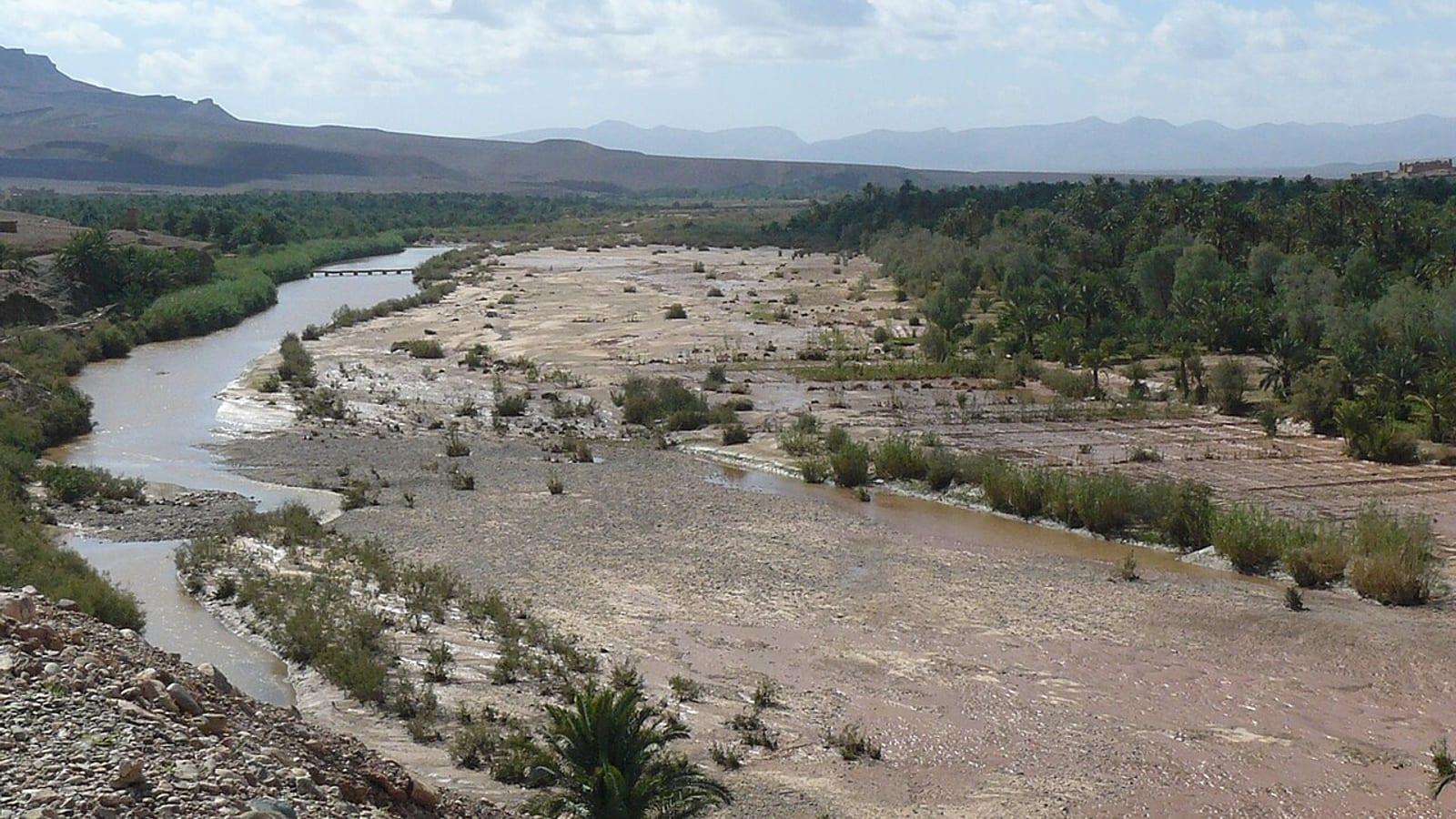 Draa Valley Ordovician Trilobite Site Agdz Fossil Hunting GuideDraa Valley Ordovician Trilobite Site, Giant trilobites
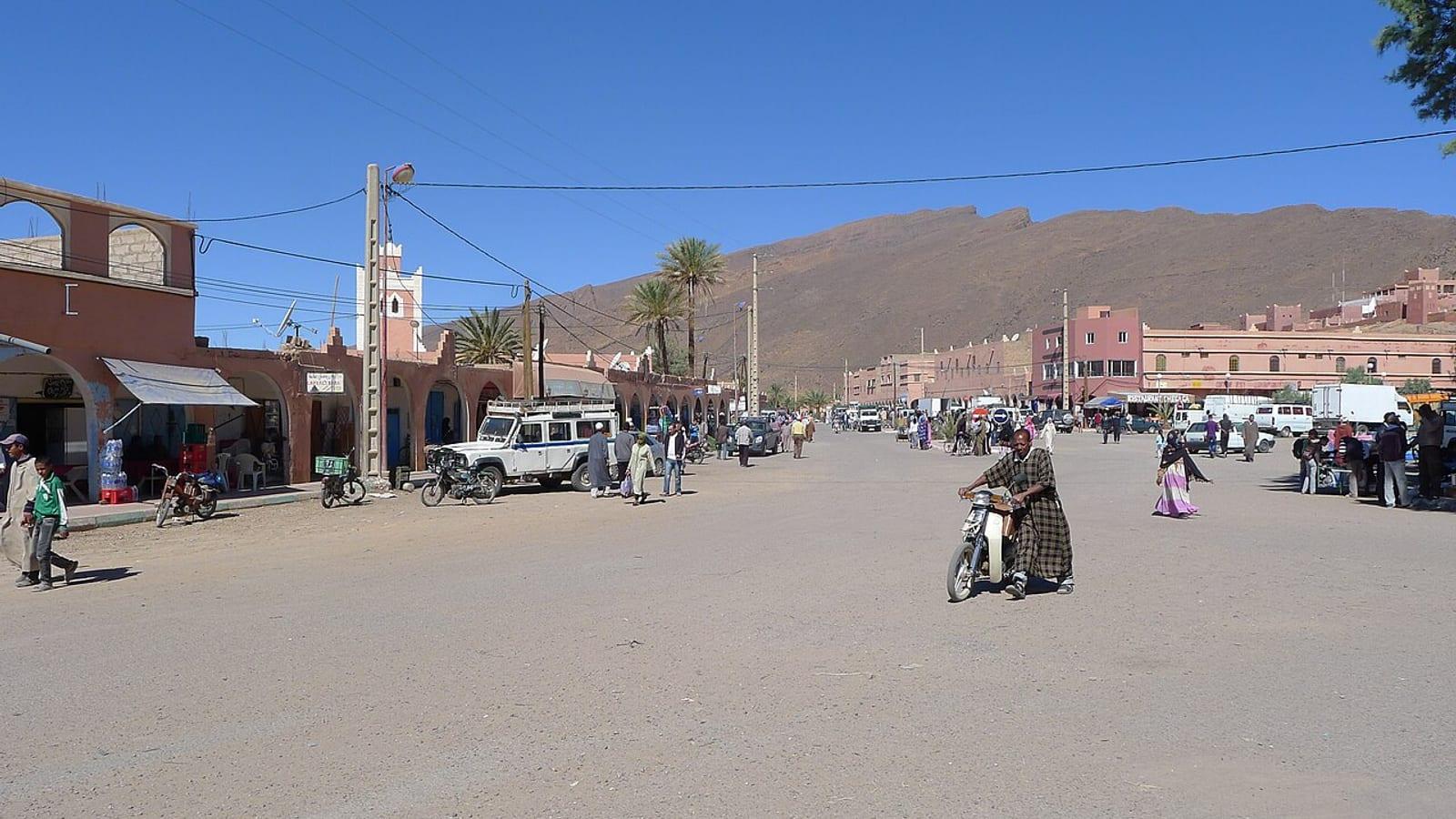 Jbel Gara el Zguilma Trilobite Site Foum Zguid Fossil Hunting GuideWalliserops trifurcatus, Psychopyge elegans
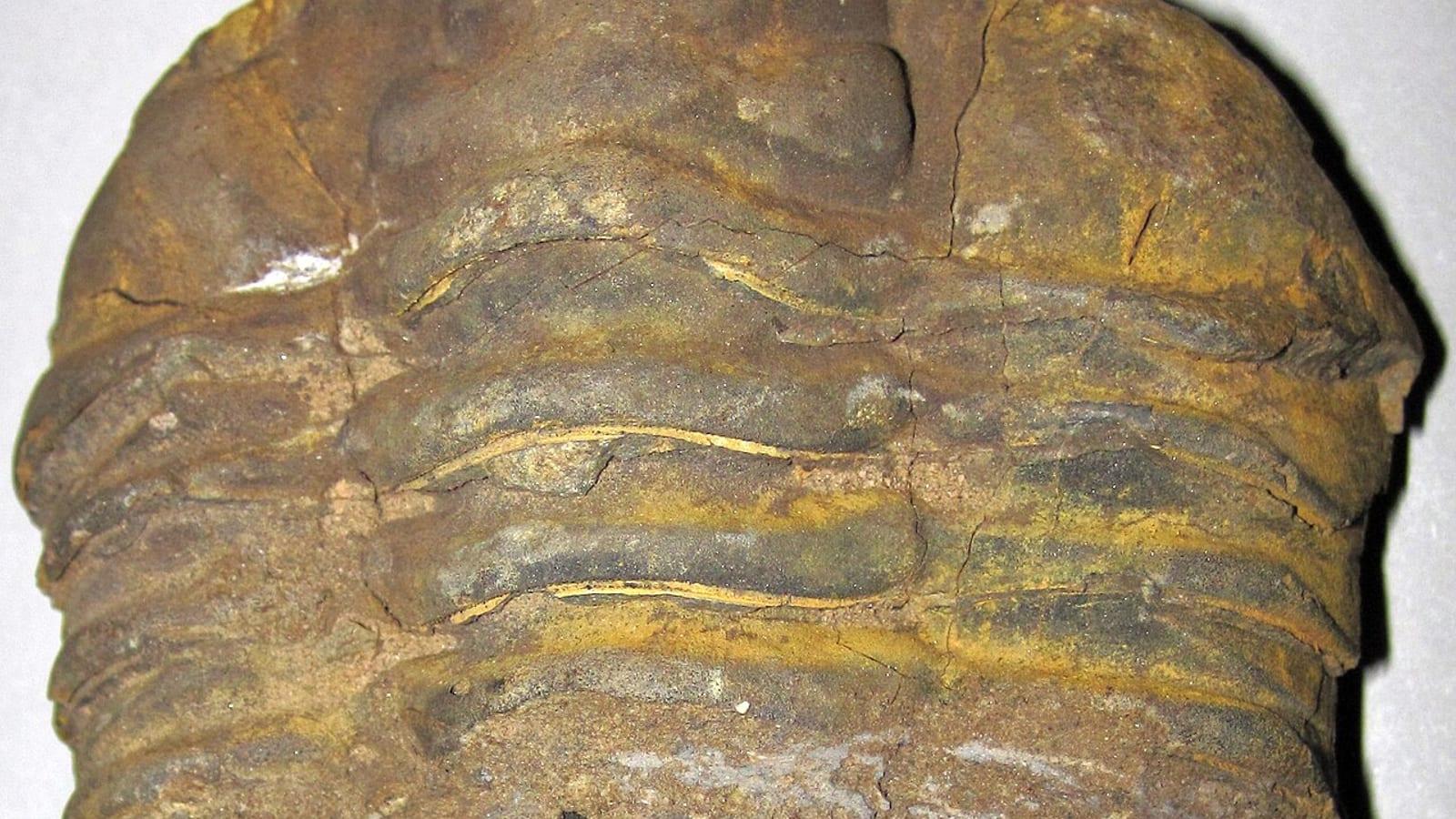 Bou Dib Fossil Site North Jbel Isoumour Alnif Fossil Hunting GuideBou Dib, Phacops
 Cambrian Paradoxides Site North of Alnif Fossil Hunting GuideParadoxides, Cambropallas telesto