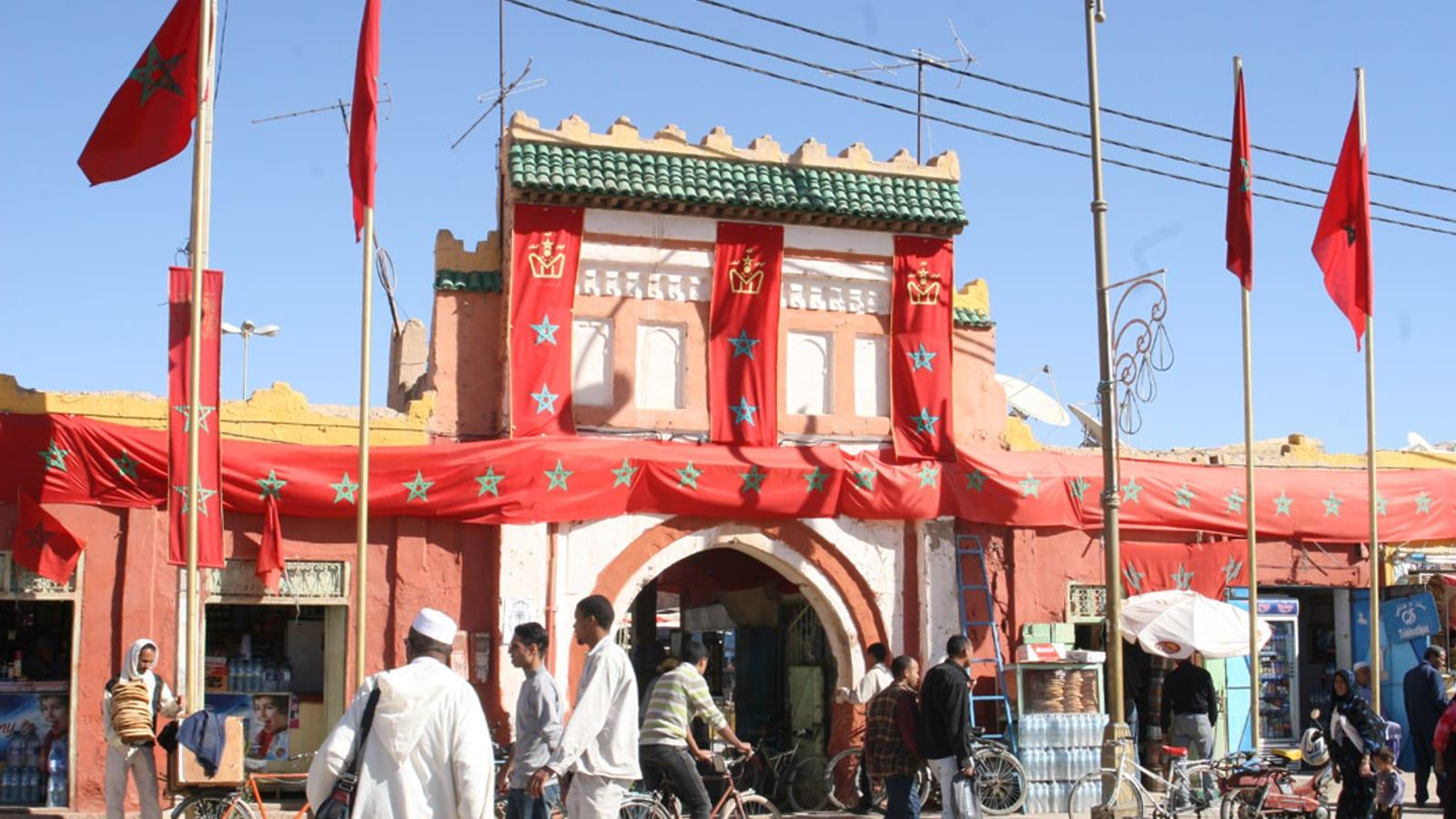
Erfoud Main Orthoceras Factory Quarry Fossil Hunting Guide
Image: Joaoleitao at English Wikipedia via Wikimedia Commons
Visit the Erfoud Main Orthoceras Factory Quarry in Morocco to see Devonian orthocerids and goniatites being extracted from black limestone. Guided access; 300–600 MAD.
The quarries that supply Erfoud's famous fossil-stone workshops sit roughly 14 km from town along desert tracks, and they represent the industrial heart of Morocco's fossil trade. The Erfoud Main Orthoceras Factory Quarry is the largest of these operations: a multi-bench excavation cutting through thick beds of black Devonian limestone packed with straight-shelled nautiloids, goniatites, and brachiopods. This is where the raw blocks begin their journey — from quarry face to Erfoud cutting shed to polished tabletop in a restaurant somewhere in Europe. Visitors who make the trip out here see something that the workshop tours in town do not show: the scale of the resource, the physical work of extraction, and the quality of the unprocessed fossil material before any polishing is applied.
This guide covers how to reach the quarry from Erfoud, what the geology produces and why the black limestone is so fossil-rich, what you can collect and purchase on-site, and the practical details of an organised visit.
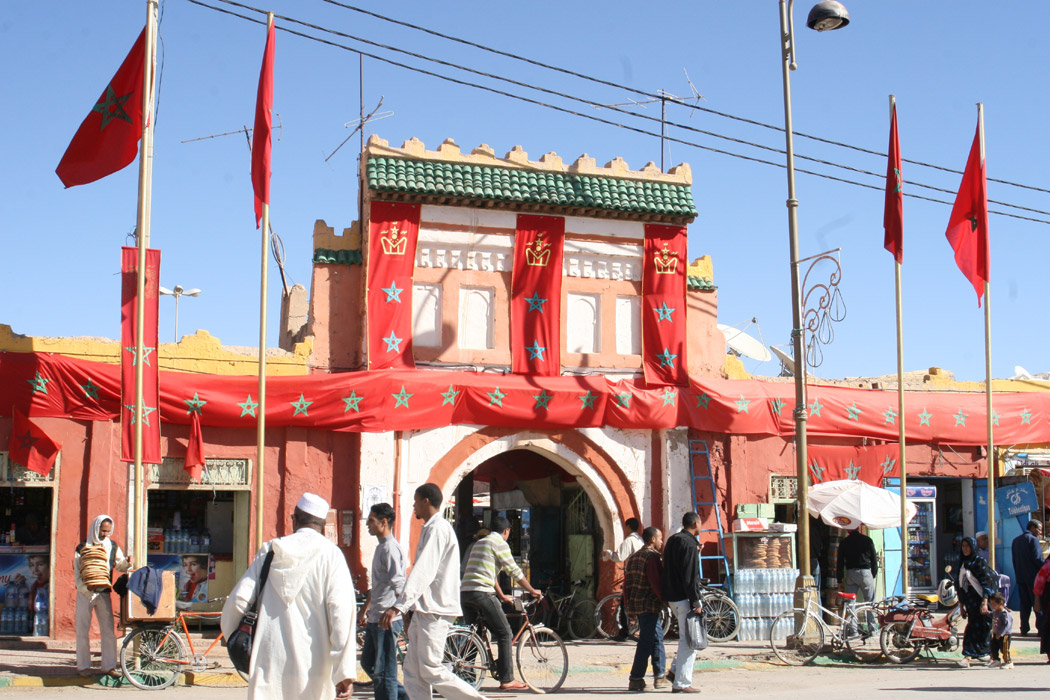 Erfoud Market Morocco.jpg. Photo: Joaoleitao at English Wikipedia via Wikimedia Commons (CC BY-SA 3.0)
Location and Getting There
Location
The quarry is located approximately 14 km from central Erfoud, Draa-Tafilalt Region, southeastern Morocco, in the desert terrain east and southeast of the town where the Devonian Erfoud Formation outcrops continuously. Erfoud itself sits at approximately 31.44° N, 4.24° W at an elevation of around 820 m. The quarry has no postal address; access is by desert track from the N13 highway.
Getting There
From central Erfoud, take Route N13 east toward Rissani or south toward the desert, following your guide's directions. The quarry access track branches from the paved road and continues approximately 2 to 3 km across flat desert to the working area. A standard vehicle can manage the track in dry conditions; 4WD is advisable after rain. Arranging a guide in Erfoud is strongly recommended: guides provide access introductions to the quarry operators, identify the best areas for collecting, and navigate the tracks efficiently. Most of Erfoud's fossil dealers and guesthouses can arrange quarry excursions. Typical guide fees run 300 to 600 MAD (30 to 60 USD) per half-day, including transport.
What Fossils You'll Find
Orthocerids dominate the assemblage. These straight-shelled nautiloids grew conical shells divided internally into gas-filled buoyancy chambers separated by curved walls (septa). In the black limestone, shells appear as elongated pale sections showing the chambered interior in cross-section. On quarry floor material, the shells are typically cream to grey against the dark matrix; on polished surfaces, they become a vivid white-grey contrast against polished black stone. Specimens range from small juveniles a few centimetres long to large individuals exceeding 60 cm, though most loose quarry material holds fragments and mid-sized specimens.
 Goniatites sp.3 - Devonico.JPG. Photo: porshunta via Wikimedia Commons (CC BY-SA 3.0)
Goniatites appear in the same beds as coiled discs, recognisable by the angular suture lines around their periphery. They are less abundant than orthocerids but turn up consistently throughout the productive horizons. Sizes range from 2 to 10 cm diameter.
Brachiopods occur as isolated valves in the limestone, small enough that they are often overlooked amid the more visually dramatic cephalopods. Both convex and flat valve types are present depending on genus. Occasional trilobite fragments and nautiloid-adjacent taxa appear in the more varied beds.
The best collecting is on the quarry floor and in fresh waste piles near active faces. Newly cut stone surfaces show fossils far more clearly than weathered exterior rock. Large flat slabs cut for the workshop market are stacked near the entrance and sometimes contain superb fossil concentrations; these are not available for free collecting but can be purchased.
Geologic History
The Ancient Environment
The Erfoud Formation exposed at this quarry was deposited during the Middle Devonian, approximately 390 to 370 million years ago, on the warm tropical shelf of the Rheic Ocean fringing northern Gondwana. The low-oxygen bottom conditions responsible for the black coloration and exceptional fossil preservation result from stratified water masses where oxygenated surface water did not mix with the seafloor layer. Shells of pelagic nautiloids and ammonoids sank from the productive surface ocean to this anaerobic seafloor, accumulated in fine carbonate mud, and were buried before decomposition could destroy them. Early calcite replacement of the original shell material produced the white-grey fossil colour that contrasts with the dark matrix.
The consistently high fossil density in some Erfoud Formation beds reflects regular mass mortality events in the water column above, possibly linked to seasonal overturning of the stratified water when oxygenated deep water welled up and killed the pelagic fauna en masse.
How the Erfoud Factory Quarry Developed
Quarrying of the Erfoud black limestone for ornamental use began in earnest in the mid-twentieth century, when international interest in fossil-bearing decorative stone grew. The quarries east of Erfoud supplied the raw material that built the town's entire fossil-stone industry: the cutting workshops, the artisans who polish and carve, and the export trade that sends finished pieces worldwide. Scientific work in the 1970s and 1980s documented the palaeontological significance of the deposit. Today the quarry operates as a fully commercial operation supplying both raw blocks for workshop processing and loose specimens for the collector trade. Active quarrying continuously exposes new fossil horizons, making the working faces a reliable source of fresh material.
Visiting and Collecting Information
Access and What to Expect
The quarry is an active industrial operation. Independent access without a guide is possible but strongly discouraged; quarry operators work with the Erfoud guide community and expect introductions. Arrange your visit through an Erfoud guide service or fossil dealer. Guide fees for a half-day excursion to the quarry run approximately 300 to 600 MAD. At the site you can collect loose specimens from designated areas on the quarry floor (up to 5 kg is a reasonable personal quantity), observe active quarrying operations, and purchase polished or raw pieces directly from the workers, often at prices below Erfoud market rates.
What to Bring
Bring at least 2 to 3 litres of water. The quarry has no shade and no water supply. Wear a hat, sun protection, and closed-toe boots — the quarry floor has sharp limestone edges and uneven benches. A geology hammer and chisel are useful if you want to work matrix material, though most productive collecting at this site is surface-picking from the loose material. Cash in Moroccan dirhams only.
Safety and Practical Tips
Plan visits for early morning, especially in the summer months when temperatures regularly exceed 42°C by mid-morning. Year-round, midday sun on the dark quarry floor is intense. Active quarrying involves the movement of large limestone blocks; stay well clear of any loading or cutting activity and follow the quarry workers' guidance at all times. Moroccan export regulations allow tourists to take up to 10 personal-use fossil specimens out of the country without a permit; retain any purchase receipts.
Sources
Nearby sites
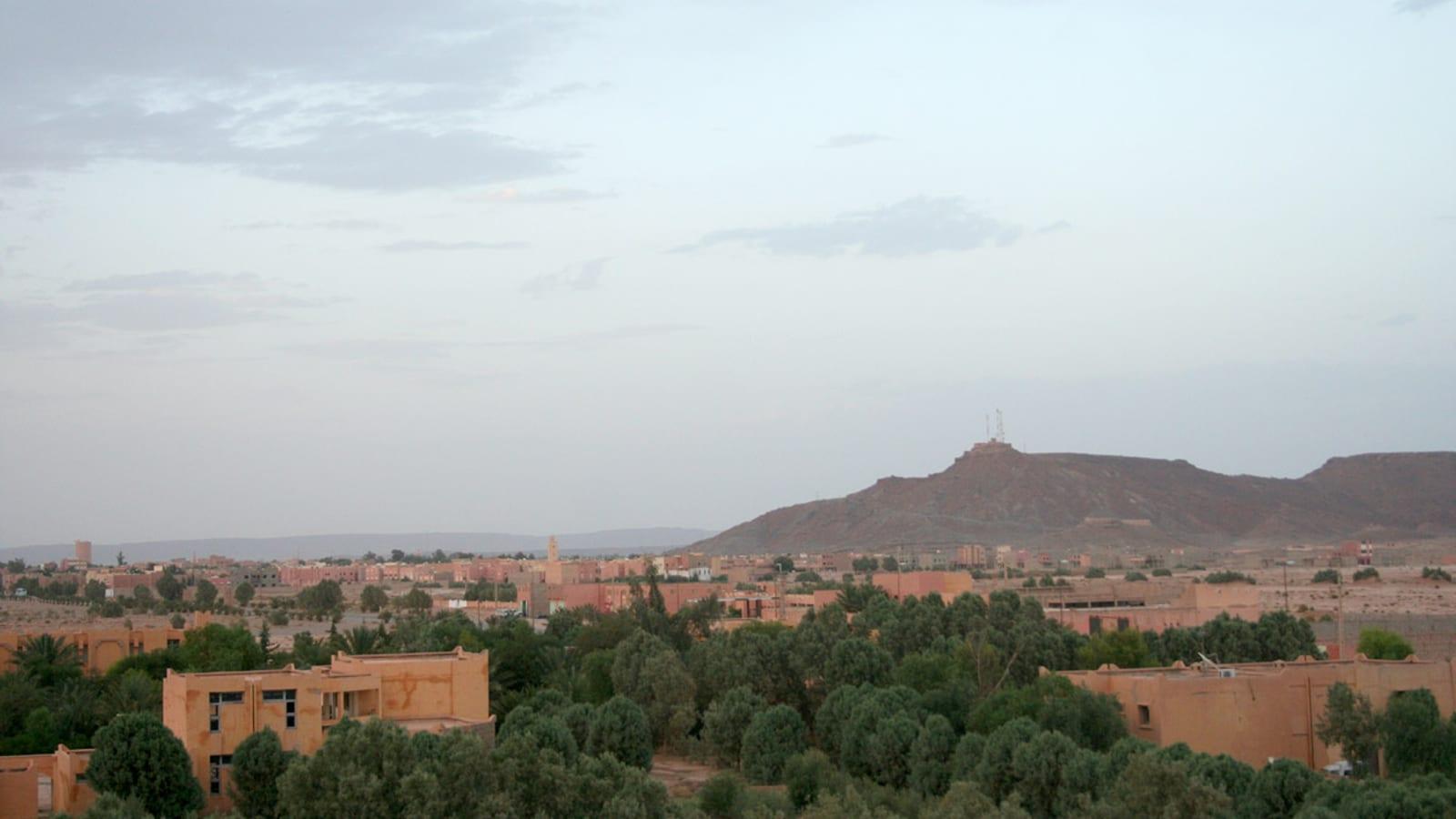 Boutchafine Mount Trilobite Quarry Erfoud Fossil Hunting GuidePhacops, Hollardops
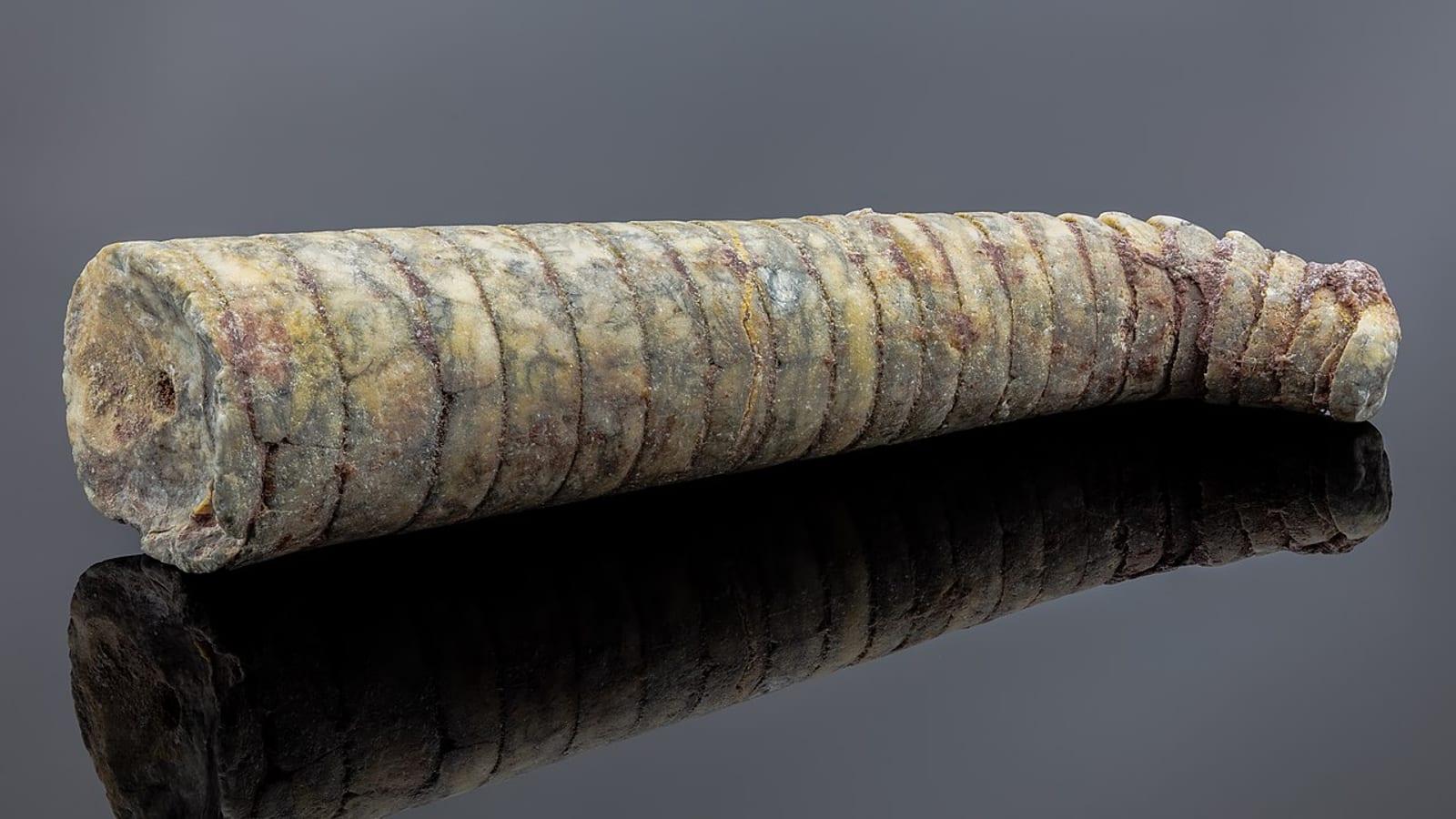 Hamar Laghdad Orthoceras Quarry Erfoud Fossil Hunting GuideHamar Laghdad Orthoceras Quarry, Orthoceras
 Kem Kem Dinosaur Fossil Beds Taouz Fossil Hunting GuideSpinosaurus aegyptiacus, Carcharodontosaurus saharicus
 Atchana Trilobite Mine Rissani Fossil Hunting GuideAtchana Trilobite Mine, Devonian trilobites