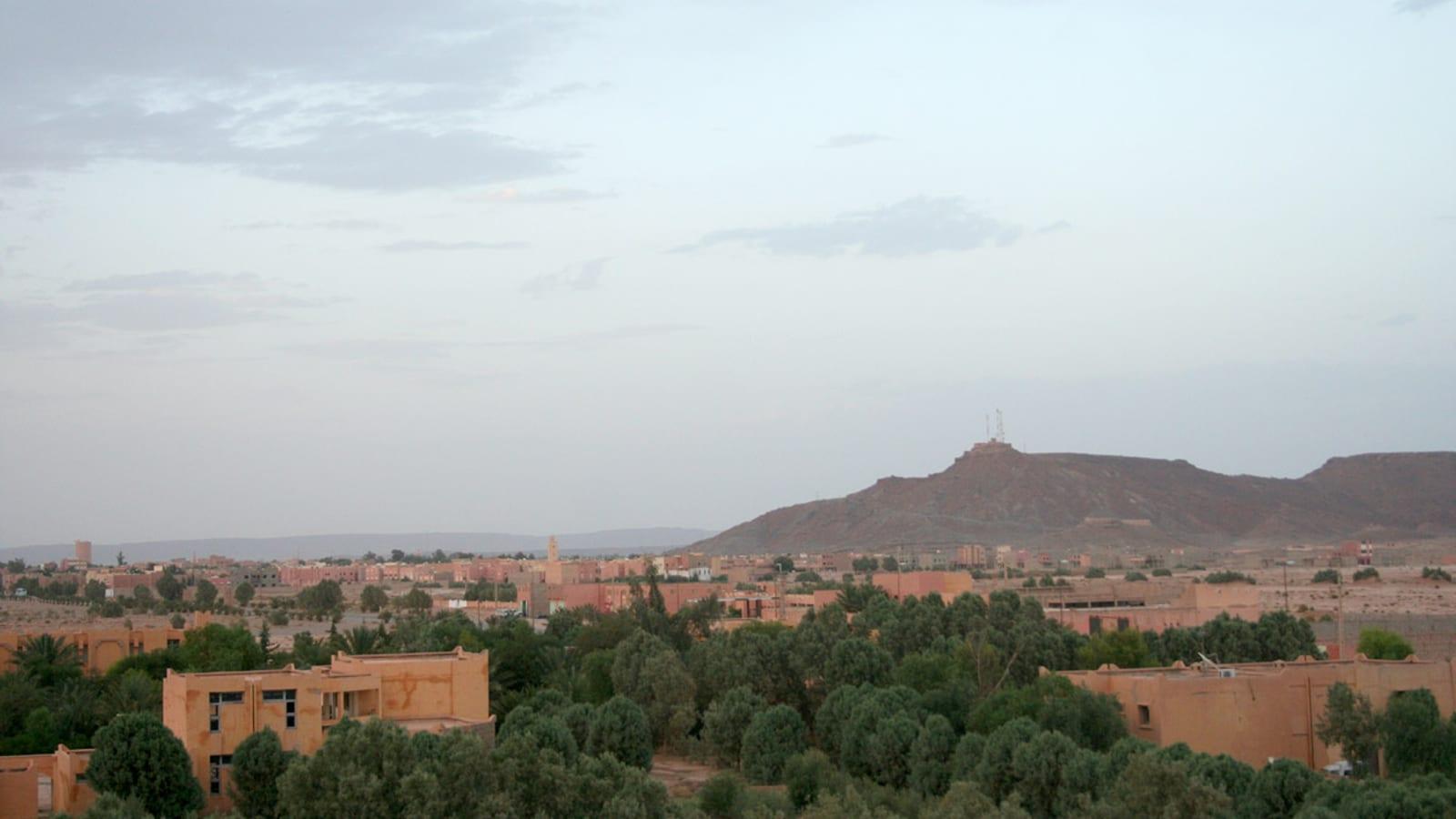
Boutchafine Mount Trilobite Quarry Erfoud Fossil Hunting Guide
Image: Joaoleitao (talk).\\n\\nOriginal uploader was Joaoleitao at Wikitravel (Joaoleitao at en.wikipedia) via Wikimedia Commons
Boutchafine Mount near Erfoud, Morocco, is an active Devonian trilobite quarry producing Phacops and Hollardops specimens, accessible via guided tours from Erfoud.
Boutchafine Mount, rising above the Tafilalet plain southeast of Erfoud, is one of several limestone hills in the region that have been actively quarried for Devonian trilobites since the 1980s. The site produces specimens of Phacops and Hollardops, two trilobite genera particularly valued by collectors: Phacops for the distinctive compound eyes whose individual lenses are visible under magnification, and Hollardops for its pronounced occipital spine and robust exoskeleton. The Devonian limestone at Boutchafine is the same basic rock type that yields trilobites across the Tafilalet region, but the specific fauna and preservation style at this hill have made it a recognized source for collectors seeking well-preserved southeastern Moroccan Devonian material. Erfoud, 20 km to the north, is the largest nearby town and serves as the organizational hub for fossil tourism across the Tafilalet area.
This guide covers the geology of the Boutchafine limestone, which trilobite genera are present and what distinguishes them, how to reach the site from Erfoud, and the practicalities of collecting and purchasing specimens during a visit.
 Erfoud-Morocco.jpg. Photo: Joaoleitao (talk). Original uploader was Joaoleitao at Wikitravel (Joaoleitao at en.wikipedia) via Wikimedia Commons (CC BY-SA 3.0)
Location and Getting There
Location
Boutchafine Mount is located southeast of Erfoud in the Draa-Tafilalet region of southeastern Morocco. Erfoud sits approximately 78 km south of Errachidia via the N13 highway and about 22 km north of Rissani. The quarry area at Boutchafine is approximately 30 to 40 km southeast of Erfoud, accessible via unpaved piste from the main road network east of town. Approximate GPS for the Boutchafine area is 31.35°N, 3.90°W, though guide confirmation of the exact quarry location is recommended.
Getting There
From Errachidia, take the N13 south to Erfoud, a journey of approximately 1.5 hours by car. From Erfoud, guide and transport services to Boutchafine and the surrounding quarry areas are widely available through the town's fossil shops, hotels, and tour operators. A 4WD vehicle is required for the final approach to the quarry. The drive from Erfoud to the Boutchafine area takes approximately 45 to 60 minutes via unpaved piste depending on conditions. Erfoud itself has several established fossil dealers and polishing workshops, making it the logical base for any collecting trip in the Tafilalet region. No public transport serves the quarry area.
What Fossils You'll Find
Phacops rana and related Phacops species are among the most recognizable of all Devonian trilobites. The large, bulging compound eyes of Phacops are composed of relatively few, large individual lenses arranged in distinct rows. Under a hand lens, the individual schizochroal lenses (each with its own cornea) are clearly visible. Phacops frequently enrolls into a tight ball as a defensive posture, and enrolled specimens preserving the full three-dimensional form are common in the Boutchafine limestone.
 Phacops rana crassituberculata eye 2.jpg. Photo: Dwergenpaartje via Wikimedia Commons (CC BY-SA 3.0)
Hollardops merocristata is named after the Moroccan paleontologist Mhammed Hollard, who produced foundational stratigraphic work on the Moroccan Devonian. The genus is characterized by a pronounced occipital spine projecting from the rear of the glabella, a moderately large glabella with deep lateral lobes, and well-defined pleurae. Complete enrolled or prone specimens showing the full dorsal shield are found in the quarry material.
Additional trilobite genera from the Boutchafine area include Metacanthina and assorted dalmanitid-grade forms. Crinoid stem columnals are common in the matrix, and articulated crinoid calyces occasionally appear in the same limestone beds. Brachiopods and occasional colonial rugose corals provide variety in the faunal assemblage.
At the quarry, most collectible material is worked out of dense limestone by hand tools and pneumatic equipment. Surface scree collecting yields fragmentary material. Prepared specimens of varying quality are available for purchase on site; complete enrolled Phacops specimens with natural shell coloration are the most consistent finds.
Geologic History
The Ancient Environment
The Devonian limestones at Boutchafine were deposited during the Emsian to Givetian stages, approximately 407 to 382 million years ago. The Tafilalet region formed part of a broad shallow tropical shelf sea on the southern margin of the Rheic Ocean. The seafloor was a low-energy carbonate platform supporting diverse communities of trilobites, brachiopods, crinoids, and corals. Phacops and related trilobites were mobile predators and scavengers on this seafloor, capable of rolling into a defensive ball when disturbed. The preservation of three-dimensional specimens results from burial in fine carbonate muds with limited oxygen, inhibiting the decomposition and disarticulation of the exoskeleton.
The Late Devonian saw progressively deteriorating marine conditions culminating in the Frasnian-Famennian extinction, which eliminated most trilobite genera, including Phacops. The limestones at Boutchafine predate this event and preserve the trilobite fauna at its peak diversity in the Moroccan Devonian.
How Boutchafine Became a Fossil Quarry
The hill at Boutchafine exposes Devonian limestone that was identified as fossiliferous by local collectors who recognized the commercial value of the trilobites emerging from the weathered rock surface. Systematic quarrying began in the later decades of the twentieth century as the international collector market for Moroccan trilobites expanded. The site is one of several comparable hills in the Tafilalet that have been worked in parallel; Boutchafine is distinguished by its position and the specific genera of trilobites found in its limestone sections. Preparation workshops in Erfoud process raw quarry blocks from Boutchafine and similar sites into finished collector specimens.
Visiting and Collecting Information
Access and What to Expect
Boutchafine operates as a commercial quarry accessible through guide arrangements from Erfoud. Half-day guided trips including transport and site access typically cost 300 to 600 MAD (30 to 60 USD) per person. At the quarry, you can observe ongoing extraction, collect from scree piles, and purchase prepared specimens directly from the quarry workers. The range of material available varies by season and recent finds; enrolling Phacops specimens and Hollardops partial shields are the most consistently available items.
Moroccan customs regulations permit tourist export of up to approximately 10 fossil specimens for personal non-commercial use. Retain purchase receipts. Commercial export requires authorization from the Moroccan Ministry of Energy, Mines and Environment.
What to Bring
Bring a minimum of 2 liters of water per person. The southeastern Moroccan desert is hot from May through September; plan visits for October through April when temperatures range from 15 to 30°C. Wear sturdy closed-toe boots with ankle support. A loupe and UV flashlight are useful for specimen evaluation: UV light at 365 nm reveals fluorescent calcium carbonate filler used in restorations, which is common in commercially prepared trilobites. Bring cash in Moroccan dirhams. A geology hammer and cold chisel are useful for working scree material.
Safety and Practical Tips
Erfoud is a practical base with good hotel options, ATMs, and a wide range of fossil dealers whose workshops can be visited independently. The fossil market on the main boulevard in Erfoud provides a useful reference for price ranges and specimen quality before you visit the quarry. When evaluating Phacops specimens for purchase, check that the eye surfaces show natural lensing detail rather than smoothed-over plaster fill. Natural lenses appear slightly granular and irregular under magnification; restored sections tend to be smoother and more regular. The best specimens available in Morocco come through the Erfoud dealer network, with Boutchafine being one of the contributing quarry sources.
Sources
Nearby sites
 Erfoud Main Orthoceras Factory Quarry Fossil Hunting GuideErfoud Main Orthoceras Factory Quarry, Orthocerids
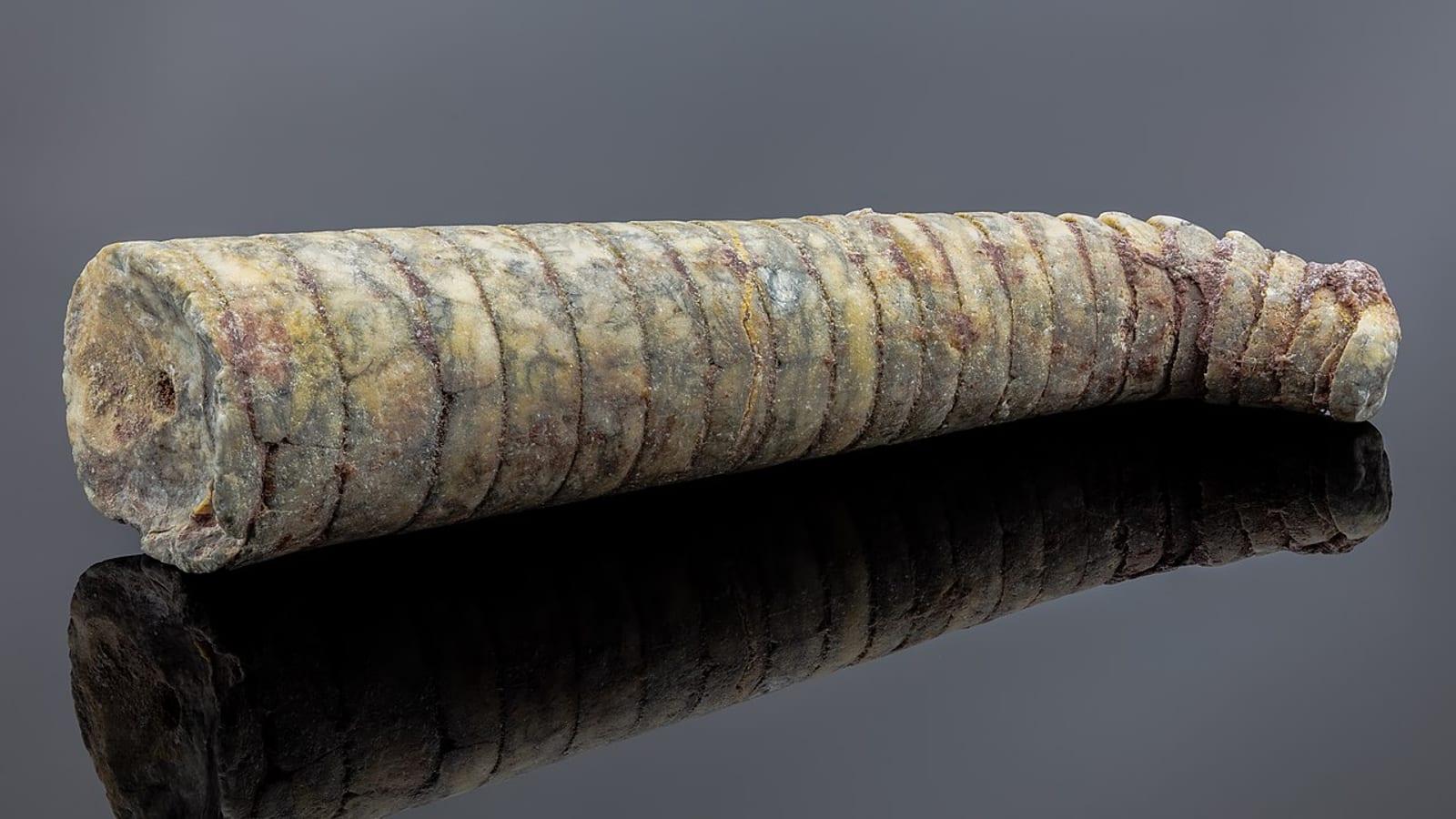 Hamar Laghdad Orthoceras Quarry Erfoud Fossil Hunting GuideHamar Laghdad Orthoceras Quarry, Orthoceras
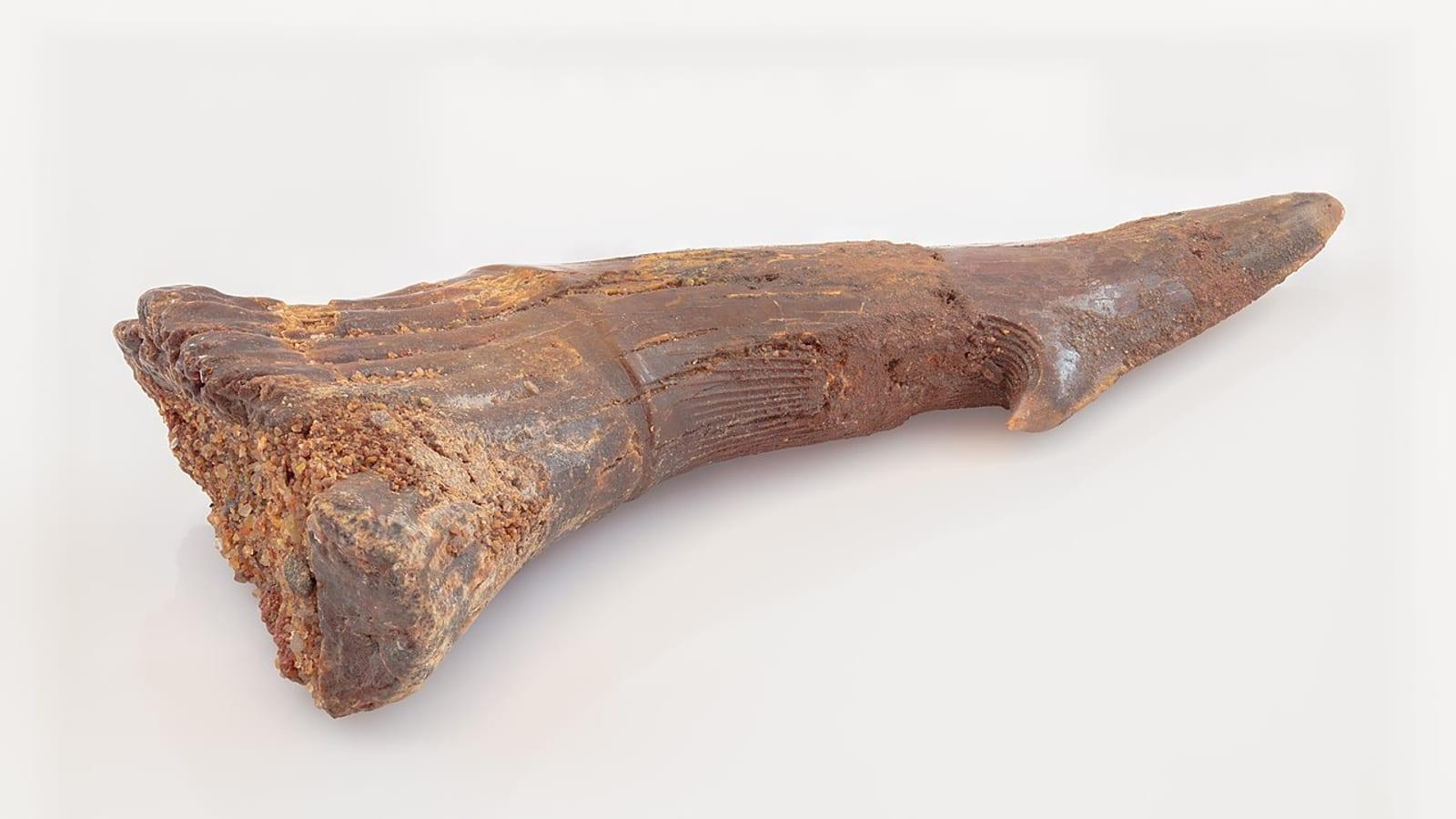 Kem Kem Dinosaur Fossil Beds Taouz Fossil Hunting GuideSpinosaurus aegyptiacus, Carcharodontosaurus saharicus
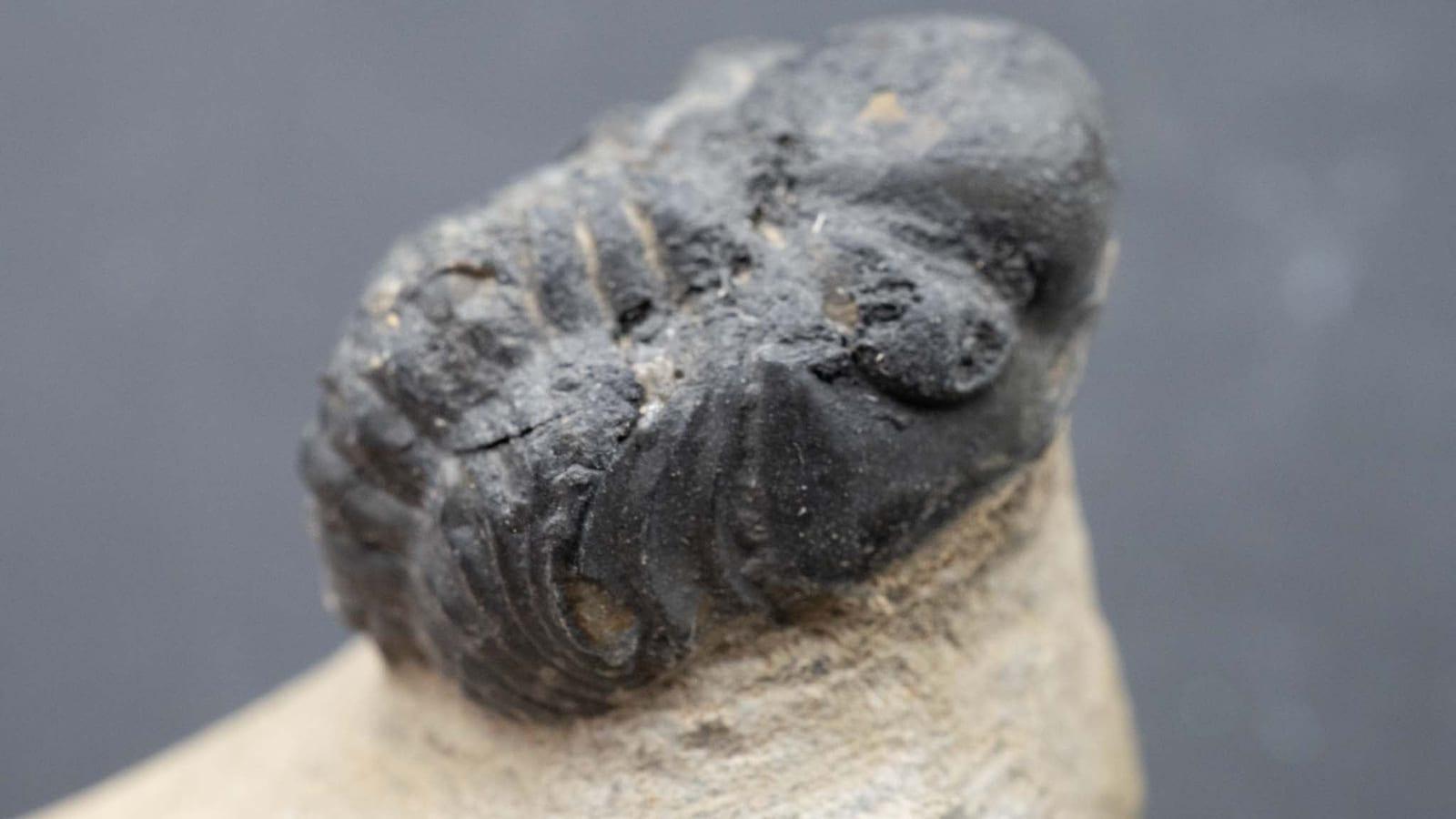 Atchana Trilobite Mine Rissani Fossil Hunting GuideAtchana Trilobite Mine, Devonian trilobites