Halkyn Mountain Fossil Hunting Guide
Discover brachiopods, corals, crinoids, bryozoans at Halkyn in Halkyn, Flintshire. Complete guide with directions and geology.
Halkyn Mountain area known for Carboniferous limestone with marine fossils such as coral. The site is a hstoric lead mining area. Brachiopods, corals and crinoids can be found in the limestone deposits at the site. Halkyn Mountain has a complex geology due to mining and natural features.
Location and Directions
Halkyn can be found at Halkyn Mountain area, near Halkyn village, Flintshire, North Wales CH8.
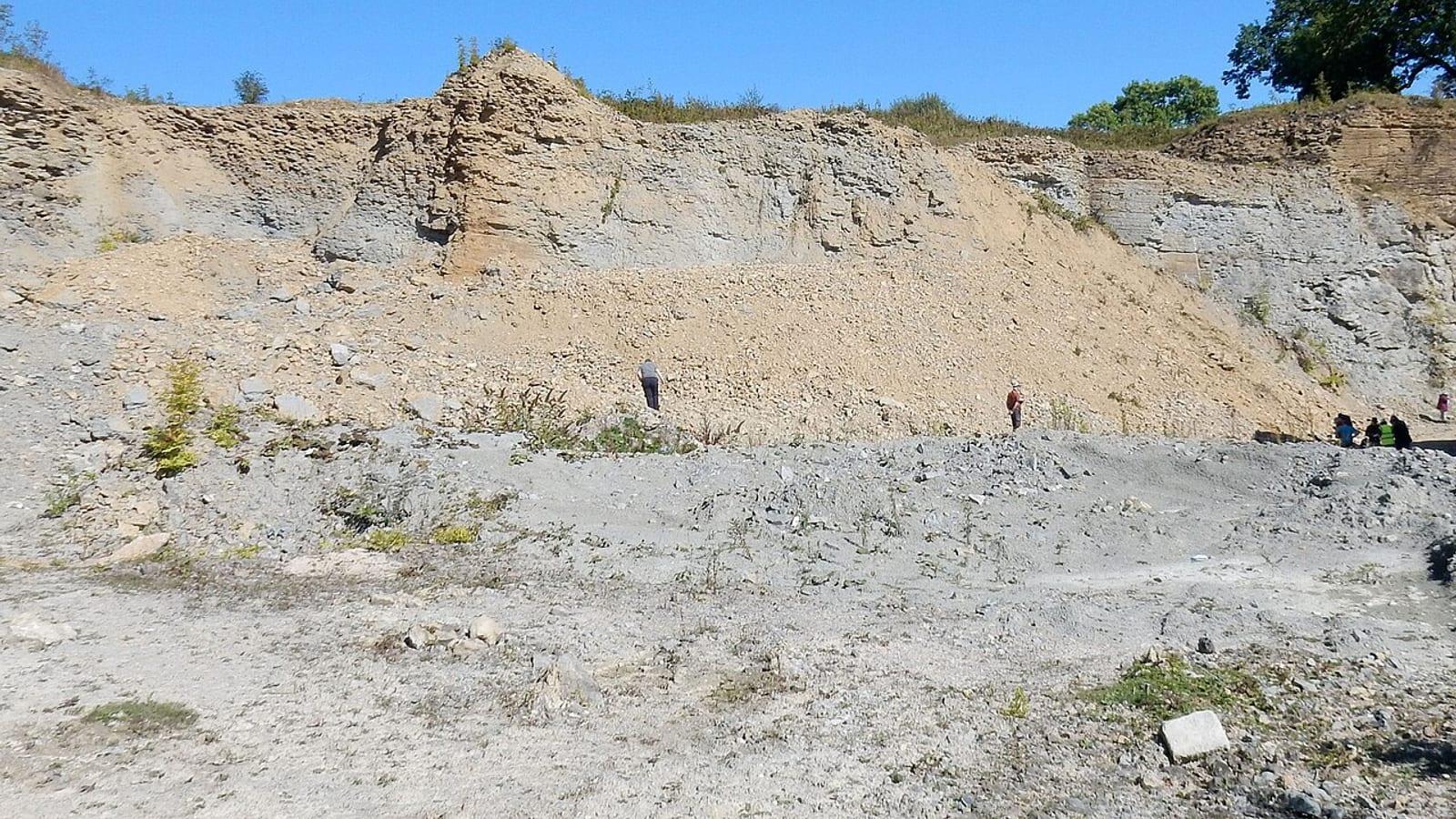
From Halkyn village in Flintshire, access Halkyn Mountain via public footpaths. The area is known for historic lead mining with extensive mine workings and Carboniferous Limestone exposures throughout the area. Site access requires care due to old mine workings. The fossil collecting area is about 1 km southeast of Halkyn. Parking is close to the top of the road leading into the modern quarry.
What Fossils You’ll Find
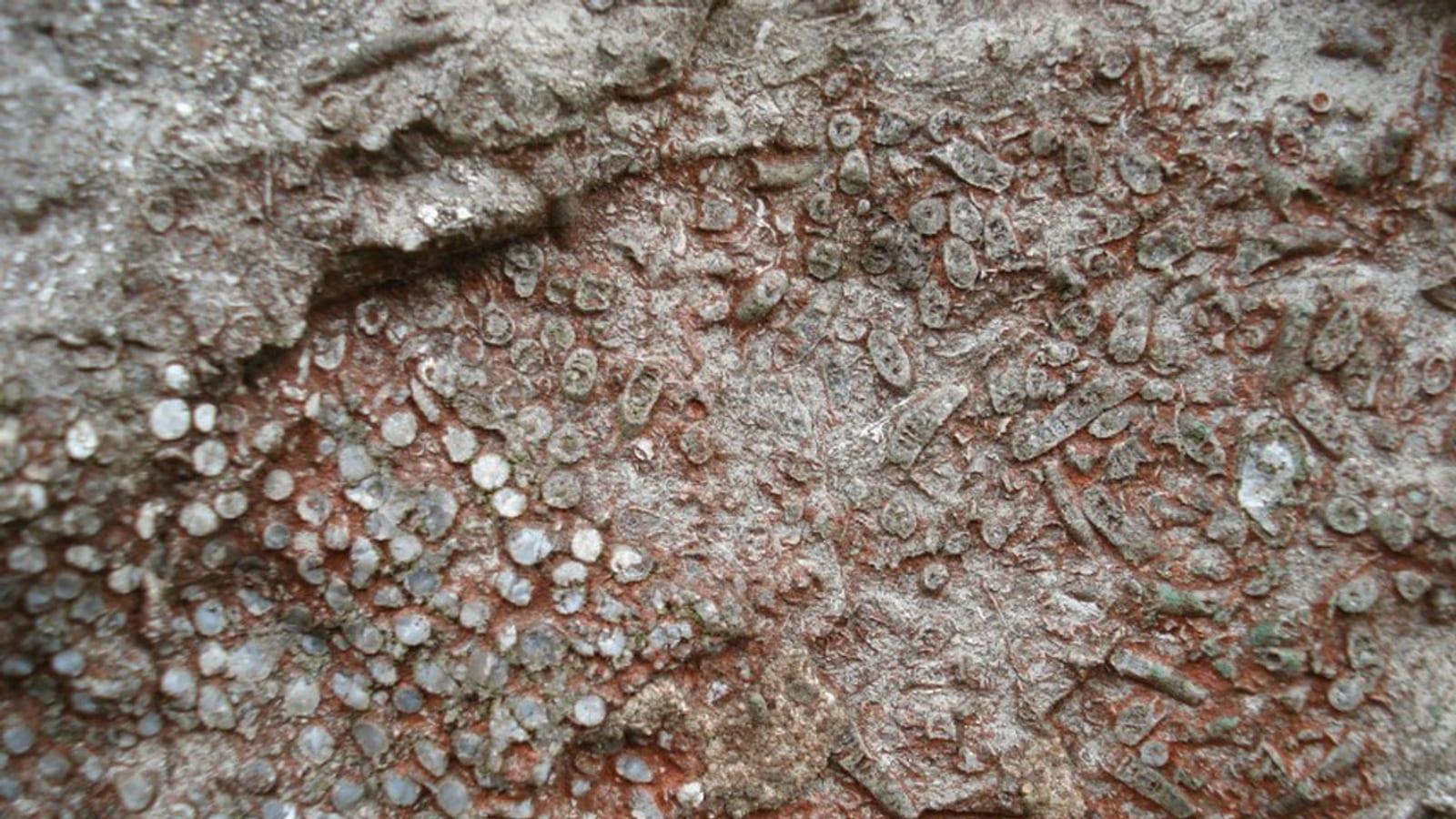
The most commonly found fossils at Halkyn are brachiopods, corals, crinoids, bryozoans from the Carboniferous (Visean, ~340-330 Ma) period. The image below shows a bed of coral fossils found at the quarry area.

Geologic History
The site exposes Carboniferous Limestone.
During the Visean (~340-330 Ma), the area was covered in warm, shallow tropical seas spanning over North Wales. There were clear waters ideal for carbonate production with abundant marine life. Limestone formed from skeletal fragments of brachiopods, corals, crinoids, and bryozoans. The rich fossil fauna indicates the highly productive tropical marine ecosystem. The area was positioned in tropical latitudes near equator at the time.
Site History
Halkyn Mountain is historically significant for lead mining from Roman Times through the 19th century, and is geologically important for its Carboniferous Limestone exposures with rich marine fossils. The area shows complex structure with faulting related to Pennine ore field mineralization. Caution is required when fossil collecting in the area due to its mining heritage - there are old shafts and workings present.
Collecting Rules and Regulations
The site has free access for visitors. However, the site is an SSSI, or Special Site of Scientific Interest, meaning that while you can visit the site, hammering the bedrock is not allowed.
For equipment, bring bags and newspaper to wrap your fossils, and a hammer and safety glasses for breaking up larger blocks of limestone at the base of old quarry faces. Make sure not to hammer the bedrock. Good luck and remember to be respectful of the site and quarry.
Sources
- British Geological Survey
- Natural Resources Wales
- Welsh mining heritage
- North Wales geology references
- accessed December 9, 2025. Note: Exercise extreme caution due to old mine workings