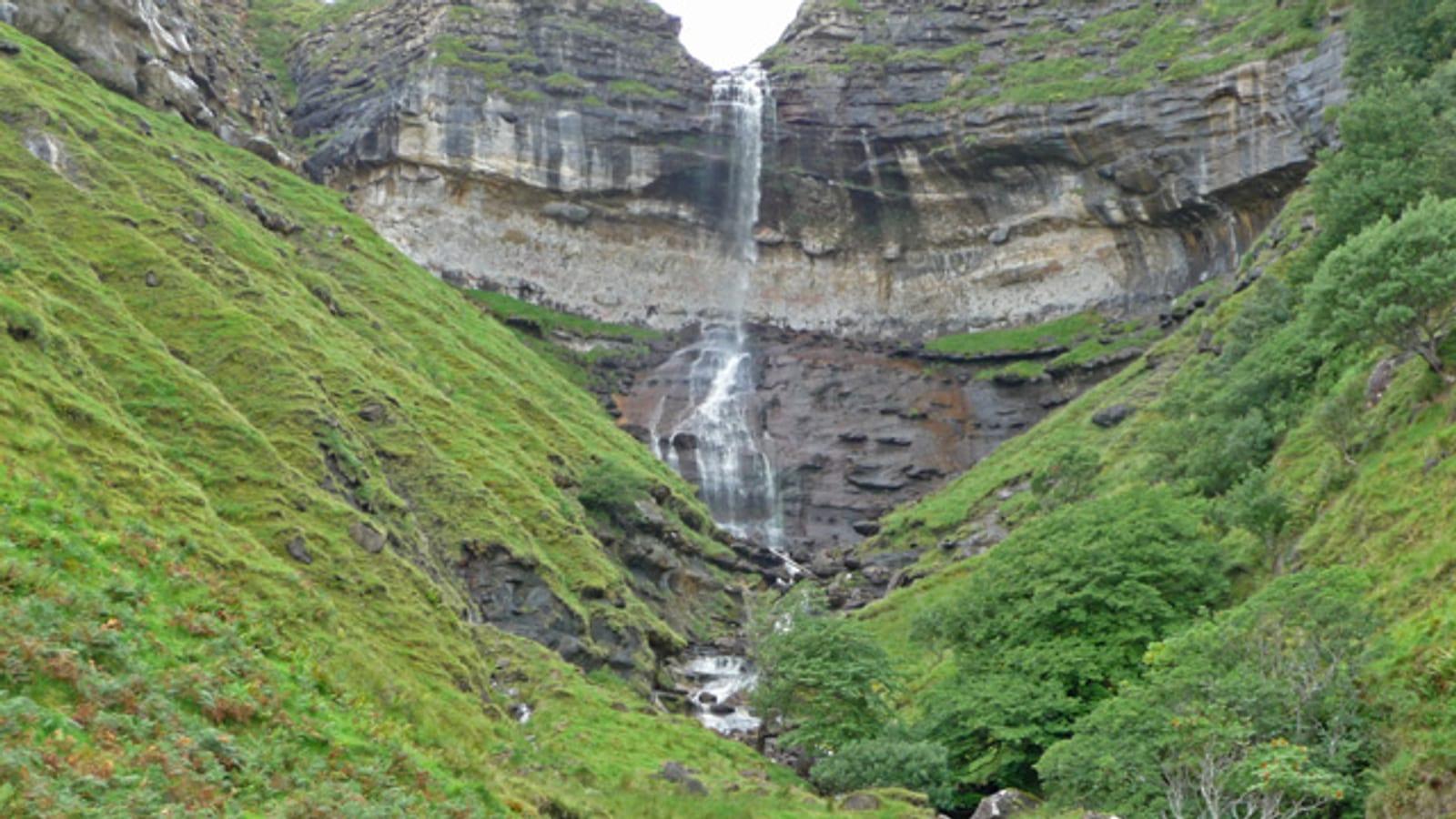
Bearreraig Bay Isle of Skye Fossil Hunting Guide
Image: John Allan via Wikimedia Commons
Bearreraig Bay on the Isle of Skye holds the international Bajocian GSSP with Middle Jurassic ammonites in calcareous sandstone. Steep access; full collecting guide.
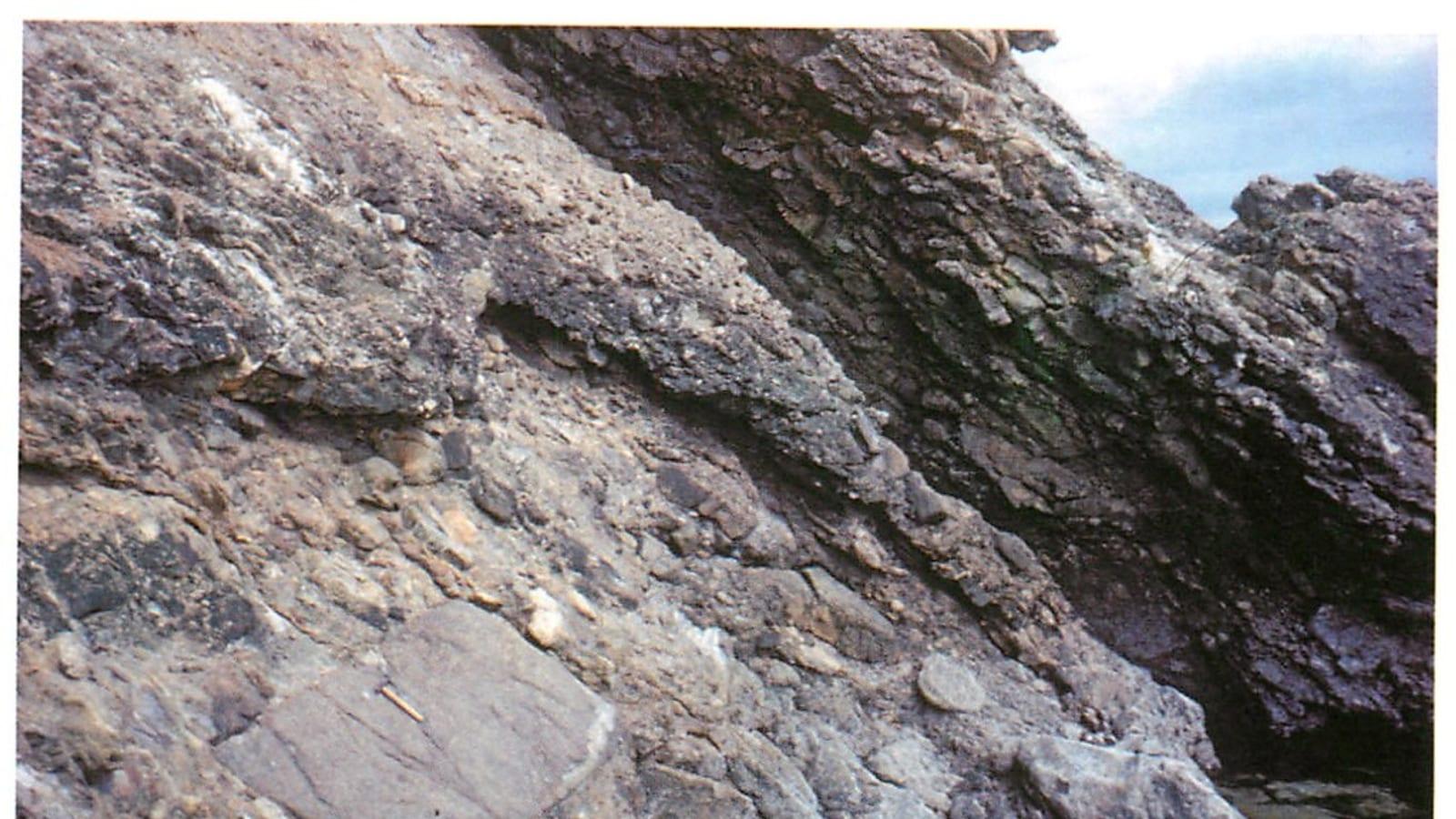
Bearreraig Bay on the Trotternish Peninsula of the Isle of Skye exposes a nearly complete sequence of Middle Jurassic marine strata that is internationally recognised as an Auxiliary Stratotype Point for the base of the Bajocian Stage. The Bearreraig Sandstone Formation here, deposited between approximately 174 and 168 million years ago, yields ammonites across the Aalenian-Bajocian boundary in a sequence that has been used to calibrate the Jurassic timescale. Skye itself holds more than ten per cent of the world's known Middle Jurassic dinosaur species, and the broader Jurassic coast from Portree to Staffin is one of the most productive palaeontological terrains in Scotland.
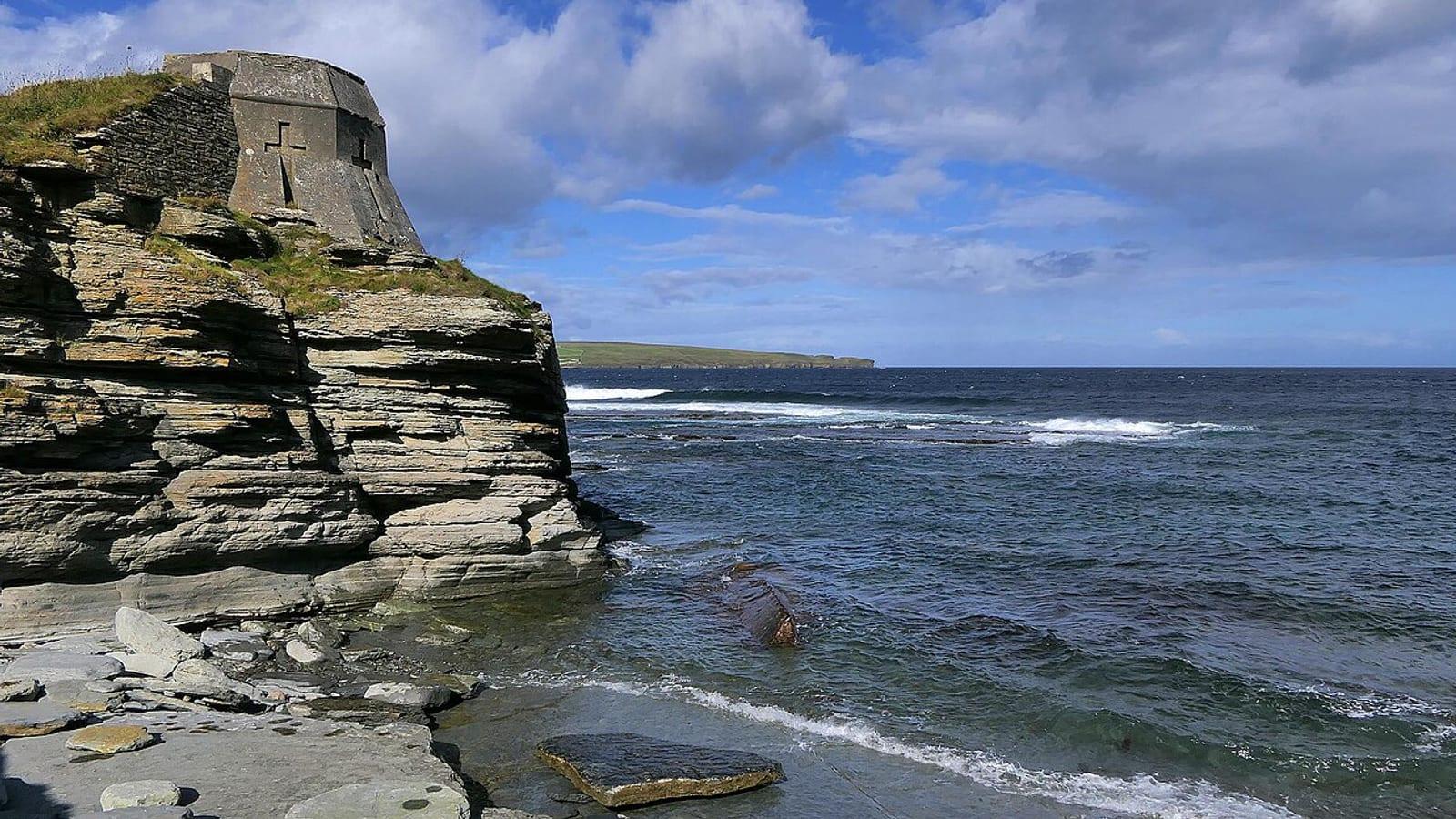
Access to Bearreraig Bay itself is steep and genuinely challenging, involving a descent via a concrete stairway alongside a cliff-face pipeline. The reward is a largely undisturbed bay with fossiliferous calcareous sandstone and limestone visible in the wave-cut platform and lower cliff sections. This guide covers the access route in full, the fossils present, the geological context, and the rules for collecting on Skye.
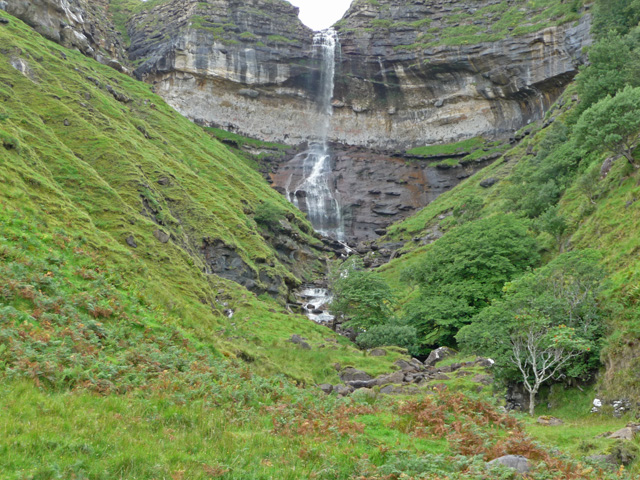 Bearreraig Waterfall - geograph.org.uk - 947475.jpg. Photo: John Allan via Wikimedia Commons (CC BY-SA 2.0)
Location and Directions
Address
Bearreraig Bay, Trotternish Peninsula, near Portree, Isle of Skye, IV51, Scotland.
Directions and Parking
From Portree, take the A855 north towards Staffin. Drive approximately 11 kilometres north along the coast road. Look for a lay-by on the west side of the A855 at the edge of a small forest, approximately 200 metres north of Loch Leathan. Park here. From the lay-by, walk 500 metres south along the A855 to a minor road just north of Loch Leathan. Follow this minor road east over the Storr Lochs Dam to the south side of the Bearreraig River. Continue east to the top of the water pipeline, then descend the steep concrete stairway adjacent to the power station's cliff railway into the bay. The walk from the road to the bay is approximately 700 metres. The descent via the stairway is very steep and the steps can be slippery when wet. The access is not suitable for young children, anyone with mobility difficulties, or visitors who are not comfortable with exposed heights. South Bearreraig can be accessed at low tide via a rocky traverse sometimes called the 'bad step', but this should be attempted only in calm conditions and with awareness of the tide.
What Fossils You'll Find
The Bearreraig Sandstone Formation is best known for its ammonites. The Aalenian-Bajocian boundary sequence here has yielded the ammonite genera that define the international boundary, and collectors working the wave-cut platform and foreshore find ammonites preserved in the calcareous sandstone and interbedded limestone horizons. The genus Ludwigia is among the most sought by serious collectors; specimens from Bearreraig have reached major collections including the extensive Alice Purnell Collection. Tmetoceras and related genera from the Aalenian portion of the sequence also occur.
 Dichotomosphinctes fossil ammonite (Upper Jurassic; Moronodova, western Madagascar) (15053940658).jpg. Photo: James St. John via Wikimedia Commons (CC BY 2.0)
Beyond ammonites, the formation yields bivalves, brachiopods, and echinoderm fragments in the more calcareous horizons. The sandier beds produce fewer complete fossils but can contain abraded shell material and occasional echinoid fragments. Marine reptile material has been found in the broader Skye Jurassic sequence, though the Bearreraig Sandstone itself is not the primary source; the overlying Staffin Bay shales are richer for vertebrate material. The distinctive columnar basalt of Kilt Rock, visible to the north, belongs to a much younger Tertiary volcanic intrusion and is not fossil-bearing.
Geologic History
The Ancient Environment
The Bearreraig Sandstone Formation was deposited during the Middle Jurassic period, specifically the Aalenian and Bajocian stages, approximately 174 to 168 million years ago. Scotland at this time was positioned considerably further south than today, in a subtropical to warm-temperate marine environment with higher global sea levels and an ice-free climate. The calcareous sandstones, subordinate limestones, and fissile mudstones of the formation were deposited in a warm, moderately shallow marine basin.
The gradual coarsening-upward trend visible through the formation records a shoaling sequence as the sedimentary environment became progressively shallower. A major flooding surface within the Udairn Shale member of the formation correlates with equivalent surfaces in Mid-Norway oil field sequences (the Ile, Not, and Garn formations), demonstrating the regional scale of Jurassic sea-level changes. The ammonite faunas across the Aalenian-Bajocian boundary are among the most completely documented anywhere in the world, which is why the site was designated as the international reference point for that boundary.
How Bearreraig Bay Became a Fossil Collecting Site
Bearreraig Bay is natural coastal exposures maintained by ongoing wave erosion of the Jurassic sequence. The bay is backed by steep basalt cliffs from the Tertiary volcanic episode and flanked by the Jurassic sedimentary sequence at the bay margins and wave-cut platform. The bay's relative inaccessibility has kept it less disturbed than many Skye localities. The Staffin Dinosaur Museum, established in 1976 by local crofter and expert Dugald Ross, has raised awareness of Skye's Jurassic heritage and is the appropriate contact for any significant vertebrate finds from the island. The international stratotype designation for the Bajocian, published formally in 2002, confirmed the site's place in the geological literature.
Collecting Rules and Regulations
Is Fossil Collecting Allowed?
The Isle of Skye Jurassic sites are protected under both SSSI designation and Nature Conservation Orders, particularly regarding vertebrate fossils. Invertebrate fossils, including ammonites, may be collected from loose material on the foreshore for personal use. You must not hammer or damage in-situ bedrock. Vertebrate fossils (bone, teeth) are fully protected and must not be collected without a licence from NatureScot. Any vertebrate find should be reported to the Staffin Dinosaur Museum or NatureScot immediately. The distinction between invertebrate and vertebrate collecting is important and strictly applied on Skye.
Recommended Tools
A geological hammer and chisels for splitting loose calcareous sandstone and limestone nodules are appropriate. Bring sturdy footwear with good ankle support for the descent and the rocky foreshore. A tide table for the Portree area is essential. Carry food and water as there are no facilities at the bay.
Safety
The descent to Bearreraig Bay via the concrete stairway is genuinely steep and exposed. The steps can be extremely slippery in wet weather. Do not attempt the descent in poor visibility or high winds. The bay is tidal and the foreshore narrows at high water; plan your visit around the tides. Mobile phone signal may be limited or absent in the bay. Always tell someone your plans before undertaking this descent. The 'bad step' low-tide route to South Bearreraig should only be attempted by experienced coastal walkers with full awareness of tidal conditions.