Schiefererlebnis Dormettingen Fossil Klopfplatz Fossil Hunting Guide
Image: Ra'ike (see also: de:Benutzer:Ra'ike) via Wikimedia Commons
Split Early Jurassic Posidonia Shale at the SchieferErlebnis Dormettingen Klopfplatz and keep the ammonites, fish, and belemnites you find. Baden-Württemberg.
The village of Dormettingen in the Schlichem Valley sits above one of the finest accessible exposures of Posidonia Shale in Germany. This Early Jurassic formation, deposited approximately 182 million years ago during the Toarcian Stage, is celebrated across Europe for the quality of its fossil preservation: ammonites with iridescent shell, complete fish skeletons, and occasional marine reptile bones are all on record from local beds. At the SchieferErlebnis Dormettingen Klopfplatz, a heritage park built on the site of a former commercial slate quarry, you can split fresh Posidonia Shale and keep whatever you find, all within a family-friendly facility that also covers the long history of slate quarrying in this corner of Baden-Württemberg.
The park combines an active fossil collecting area (the Klopfplatz) with displays on the industrial heritage of slate extraction, geological interpretation panels, and on-site fossil preparation services. Fresh shale is supplied to the collecting benches regularly, and professional preparator Fritz Lörcher is available for on-site work and educational guidance. This guide covers the practical details of getting there, what fossils to look for, the geology of the Posidonia Shale, and the rules that govern collecting at the site.
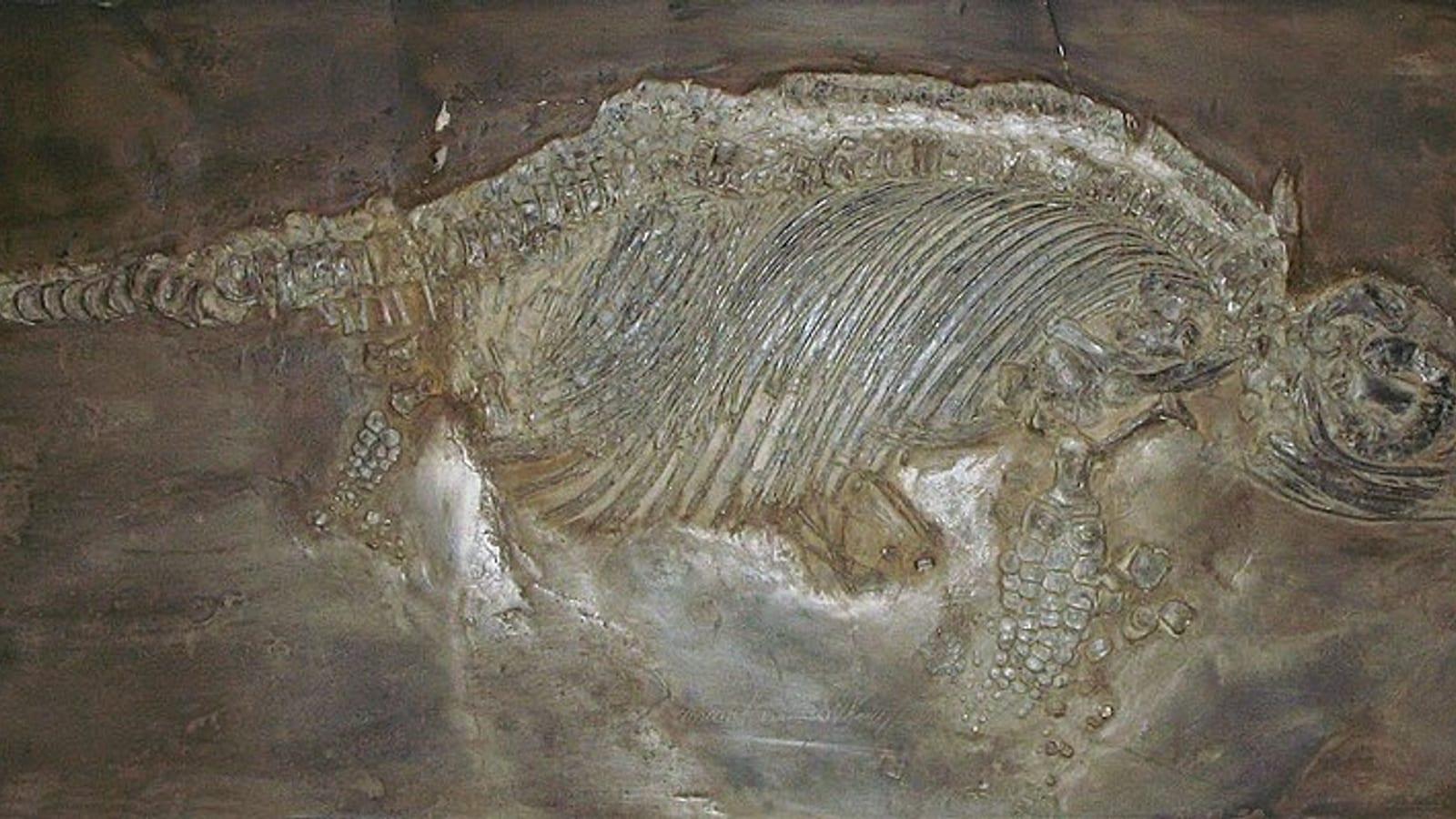
 Fischsaurier (Stenopterygius quadricissus) - Unterer Jura - Holzmaden, Baden-Württemberg.jpg. Photo: Ra'ike (see also: de:Benutzer:Ra'ike) via Wikimedia Commons (CC BY-SA 3.0)
Location and Directions
Address
SchieferErlebnis Dormettingen, Heerweg, 72358 Dormettingen, Zollernalbkreis, Baden-Württemberg, Germany.
Directions
From Stuttgart, take the A81 south toward Rottweil. Exit at Empfingen (exit 29) and follow the B27 south for approximately 5 km. Dormettingen is signposted from the B27. The SchieferErlebnis park is on Heerweg at the north end of the village and is clearly signposted from the main road. Total distance from Stuttgart is approximately 80 km; allow around 65 minutes.
From Tübingen, take the B27 south directly. Dormettingen lies approximately 45 km south of Tübingen centre. Allow around 40 minutes.
From Rottweil, take the B27 north for approximately 12 km to Dormettingen. Allow 15 minutes.
From Freiburg, take the A81 north toward Stuttgart, exit at Rottweil (exit 35), then follow the B27 north to Dormettingen. Total distance is approximately 115 km; allow around 90 minutes.
Parking is available in a dedicated lot at the SchieferErlebnis facility at no charge. Public transport to Dormettingen is limited; the nearest train connection is at Geislingen (Steige) or Balingen, from which bus services connect to the Schlichem Valley on selected days. Confirm public transport schedules through the Zollernalbkreis transport authority before travelling by bus or train.
What Fossils You'll Find
The Posidonia Shale at Dormettingen is one of the richest Early Jurassic formations in southwest Germany for quality invertebrate and vertebrate preservation. The following fauna represents what visitors typically find at the Klopfplatz.
 Suevoleviathan SW 1.png. Photo: Slate Weasel via Wikimedia Commons (CC BY 4.0)
Ammonites are the most commonly recovered fossils. Several genera occur in the Toarcian sequence, including Dactylioceras, Harpoceras, and Hildoceras. Many specimens retain the original aragonitic shell material, which shows iridescent colour when fresh. Sizes range from a few centimetres for juveniles to 15–20 cm for adult specimens in productive horizons. Ammonites occur both as isolated specimens and in dense layer concentrations.
Belemnites are the second most frequently encountered fossil type. Their bullet-shaped calcite guards are durable and survive the splitting process intact. They appear throughout the shale sequence and are a reliable indicator that you are working in productive material.
Fish occur in the Posidonia Shale as articulated skeletons and as isolated scales and fin rays. Complete specimens preserve the outline of the body, the positions of fins, and in well-preserved examples, traces of muscle tissue. The fish fauna includes ray-finned actinopterygians and, in scientifically excavated material, occasional examples of primitive sharks.
Bivalves and crinoid fragments appear regularly throughout the collecting material. The eponymous Posidonia (now reclassified as Bositra) bivalves are found as thin-shelled impressions, often in clusters. Crinoid stem segments and calyx plates occur in productive horizons.
Occasional marine reptile bone fragments have been found by collectors at the Dormettingen Klopfplatz. Ichthyosaur rib fragments and vertebrae are the most commonly reported material. Complete specimens are extremely rare and are typically uncovered in controlled scientific excavations, but isolated bones do turn up in Klopfplatz material from time to time.
Geologic History
The Ancient Environment
During the Toarcian Stage of the Early Jurassic, approximately 182 million years ago, the area now occupied by Baden-Württemberg lay at the western margin of an epicontinental sea that covered much of central Europe. Paleolatitude was approximately 35° north, in a warm temperate to subtropical belt. The sea was shallow and warm, connected to the broader Tethys Ocean to the southeast.
The Posidonia Shale (Posidonienschiefer) records a particular phase in this sea's history marked by ocean anoxic conditions. During this interval, known as the Toarcian Oceanic Anoxic Event (T-OAE), sea temperatures rose, bottom waters became deoxygenated over wide areas, and marine organisms died in large numbers. The resulting organic-rich muds accumulated on the seafloor under conditions that prevented the scavenging and decomposition that normally destroy soft tissues.
This combination of mass mortality and anoxic preservation produced the formation's exceptional fossil record. Organisms that lived in the water column above the dead zone, including ammonites, belemnites, fish, and marine reptiles, sank intact to the anoxic floor and were buried in the organic ooze. The organic content of the shale is high enough that it was commercially exploited as oil shale in some localities during the nineteenth and early twentieth centuries.
After deposition, the Posidonia Shale was buried under hundreds of metres of younger Jurassic and Cretaceous sediment, then uplifted as part of the Swabian Alb. Erosion eventually brought the formation to the surface in valley exposures throughout the Schlichem and Eyach valleys of the Zollernalbkreis district.
How SchieferErlebnis Dormettingen Became a Fossil Collecting Site
Slate quarrying in the Dormettingen area dates back several centuries. The Posidonia Shale in this part of the Schlichem Valley produced a fine-grained, fissile material that was valued for roofing tiles and flagging stone. Commercial extraction intensified in the nineteenth and early twentieth centuries as demand for building materials grew. Workers encountered fossil material regularly during quarrying and were familiar with ammonites, fish, and occasional large vertebrate bones.
As synthetic and imported roofing materials displaced natural slate from the German market during the mid-to-late twentieth century, commercial quarrying declined and eventually stopped. Local heritage advocates and fossil enthusiasts recognised the educational and tourism potential of the remaining slate deposits and the site's industrial history.
The SchieferErlebnis park was established in the early 2000s on former quarry land, converting the industrial heritage into a publicly accessible educational facility. The Klopfplatz was established to supply fresh Posidonia Shale for visitor collecting. Professional preparator Fritz Lörcher became a central figure in the park's operation, providing fossil preparation services and educational programming that transformed the facility into a genuine paleontological resource. The park has since become one of the most visited Posidonia Shale collecting sites in Germany.
Collecting Rules and Regulations
Is Fossil Collecting Allowed?
Fossil collecting at SchieferErlebnis Dormettingen is available to all visitors who pay the site admission fee. This is a fee-based Klopfplatz where visitors keep all specimens found. Admission is typically €5–7 for adults, with reduced rates for children; confirm current prices when booking or on arrival.
Fresh Posidonia Shale is supplied to the collecting benches. All material split at the Klopfplatz may be taken home. There are no size or quantity limits for typical invertebrate material. If you find a significant vertebrate specimen (marine reptile bones, large fish with soft tissue preservation), notify site staff, who can advise on next steps in line with Baden-Württemberg natural heritage regulations.
Professional fossil preparation services are available on-site from Fritz Lörcher. If you find a specimen that requires cleaning or consolidation, enquire at the park office. Educational programs for school groups are available and should be booked in advance.
The park is open on specific days and hours that may vary seasonally. Check the current schedule before visiting: +49 7427 948448, www.schiefererlebnis.de
Recommended Tools
Tools may be available for hire or loan at the site; confirm when booking. If you bring your own, the following are the standard kit for Posidonia Shale: a rock hammer (300–400 g), a flat chisel or brick bolster for opening shale along bedding planes, and safety glasses (mandatory when hammering). A soft brush helps clear dust from split faces. Gloves are recommended as the shale edges and oil content can irritate skin. Bring newspaper or bubble wrap for fragile specimens and a sturdy bag or box for transport.
Safety
The Klopfplatz is a managed outdoor collecting area, not an active quarry. However, the following safety rules apply at all times. Wear safety glasses when splitting shale: chip fragments travel unpredictably and eye protection is non-negotiable. Wear closed-toe shoes. Posidonia Shale contains organic material that makes surfaces slippery when wet; take care after rain. Supervise children closely at all times, particularly around the splitting benches. Follow all posted site rules and any instructions given by site staff.
Sources
- https://www.schiefererlebnis.de
- https://www.lgrb-bw.de (Landesamt für Geologie, Rohstoffe und Bergbau Baden-Württemberg — Posidonienschiefer formation data)
- https://en.wikipedia.org/wiki/Posidonia\_Shale (general context; cross-referenced with Hauff & Hauff 1981)
- https://doi.org/10.1111/j.1365-3121.2006.00681.x (Toarcian Oceanic Anoxic Event reference)
- https://www.naturpark-obere-donau.de
Nearby sites
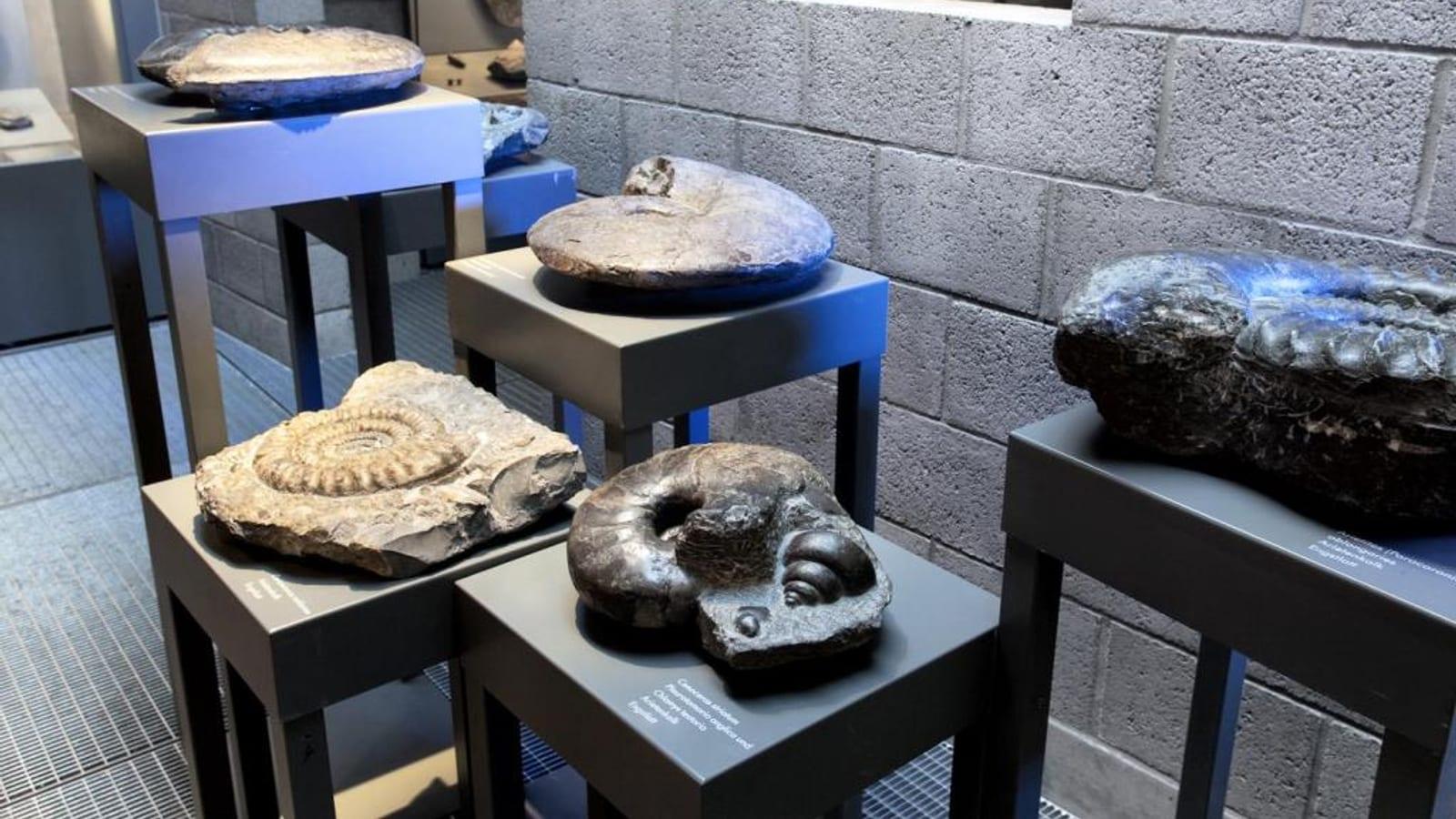 Werkforum Dotternhausen Fossil Hunting GuideSafety Guidelines, Sources
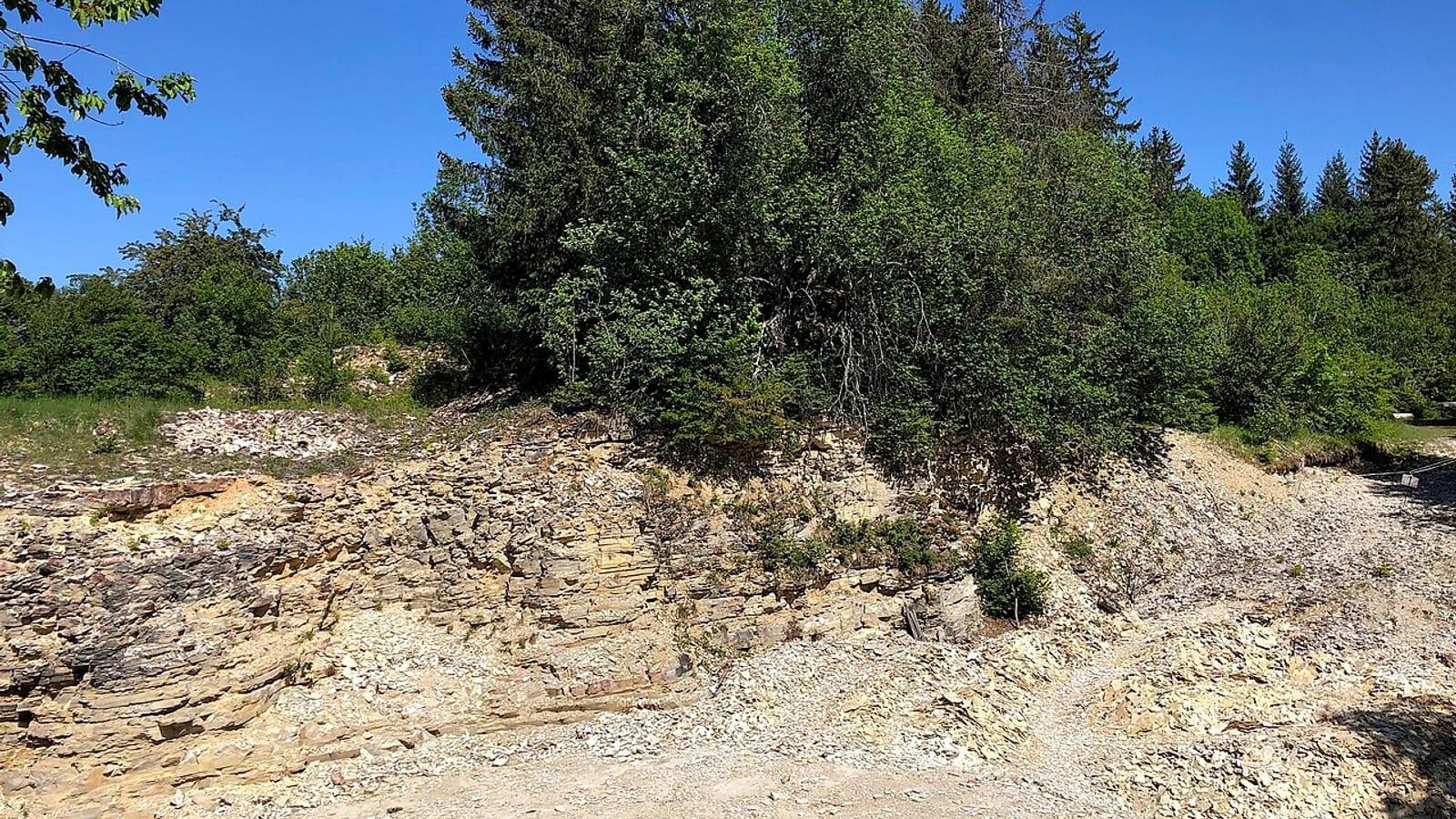 Nusplingen Plattenkalk Museum Fossil Klopfplatz Fossil Hunting Guideangel sharks, pterosaurs
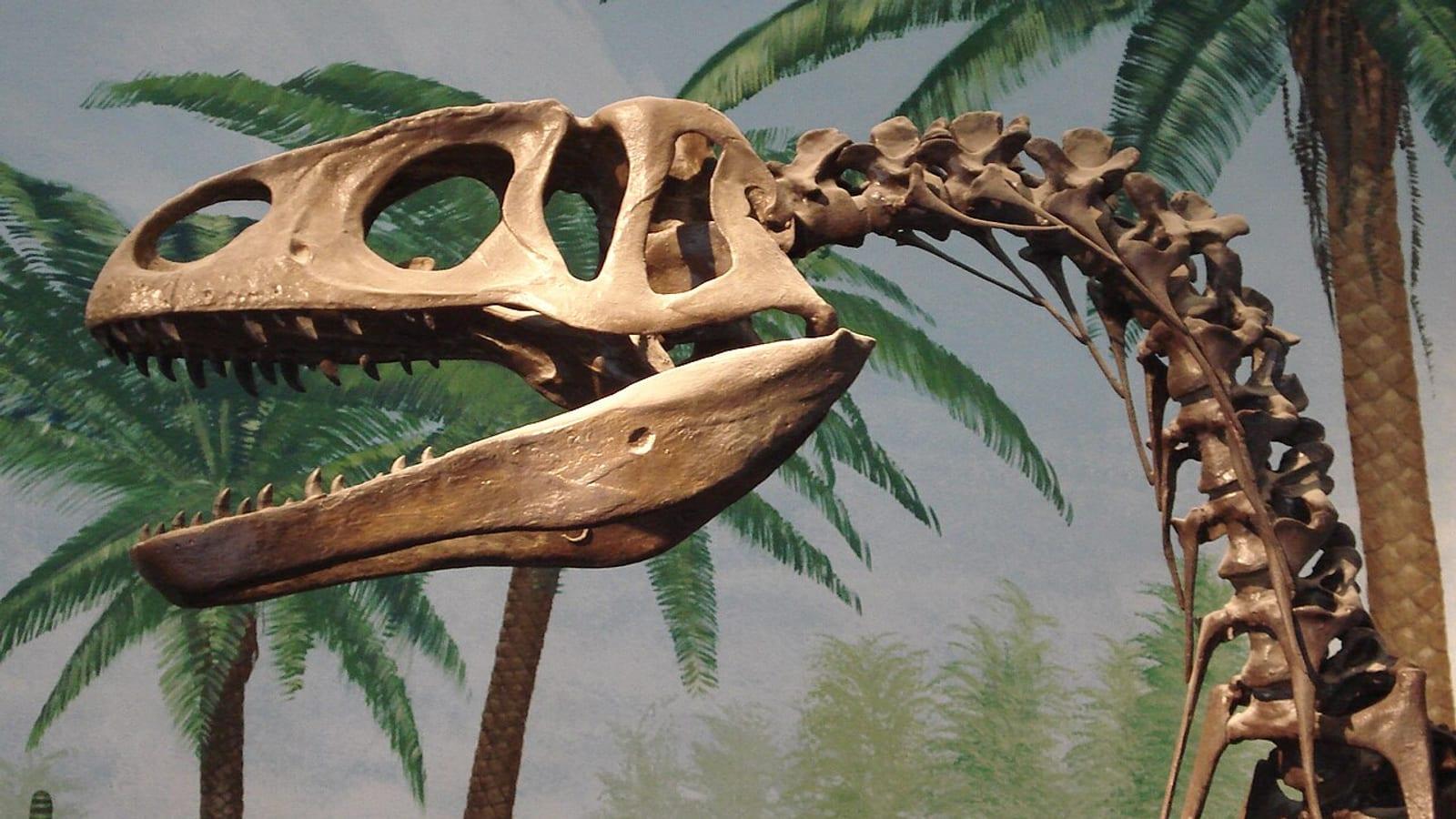 Urweltsteinbruch Holzmaden Posidonia Shale Fossil Hunting Guidefossil retail shop, Urwelt-Museum Hauff
 Ries Crater Nordlingen Meteorite Impact Geopark Fossil Hunting Guidesuevite impact breccia, RiesKrater Museum