Purse State Park Fossil Hunting Guide
The site is much smaller site than Calvert Cliffs but represents older Paleocene age (10+ million years older). Approximately 60 million years old. Bring mesh bags for collecting. Check tide tables for best collecting times. Limited parking available.
Purse State Park is a fossil collecting location in Charles County, Maryland. The site exposes Paleocene fossils where visitors can hunt for shark teeth, marine fossils, and shells.
The site is much smaller site than Calvert Cliffs but represents older Paleocene age (10+ million years older). Approximately 60 million years old. Bring mesh bags for collecting. Check tide tables for best collecting times. Limited parking available.
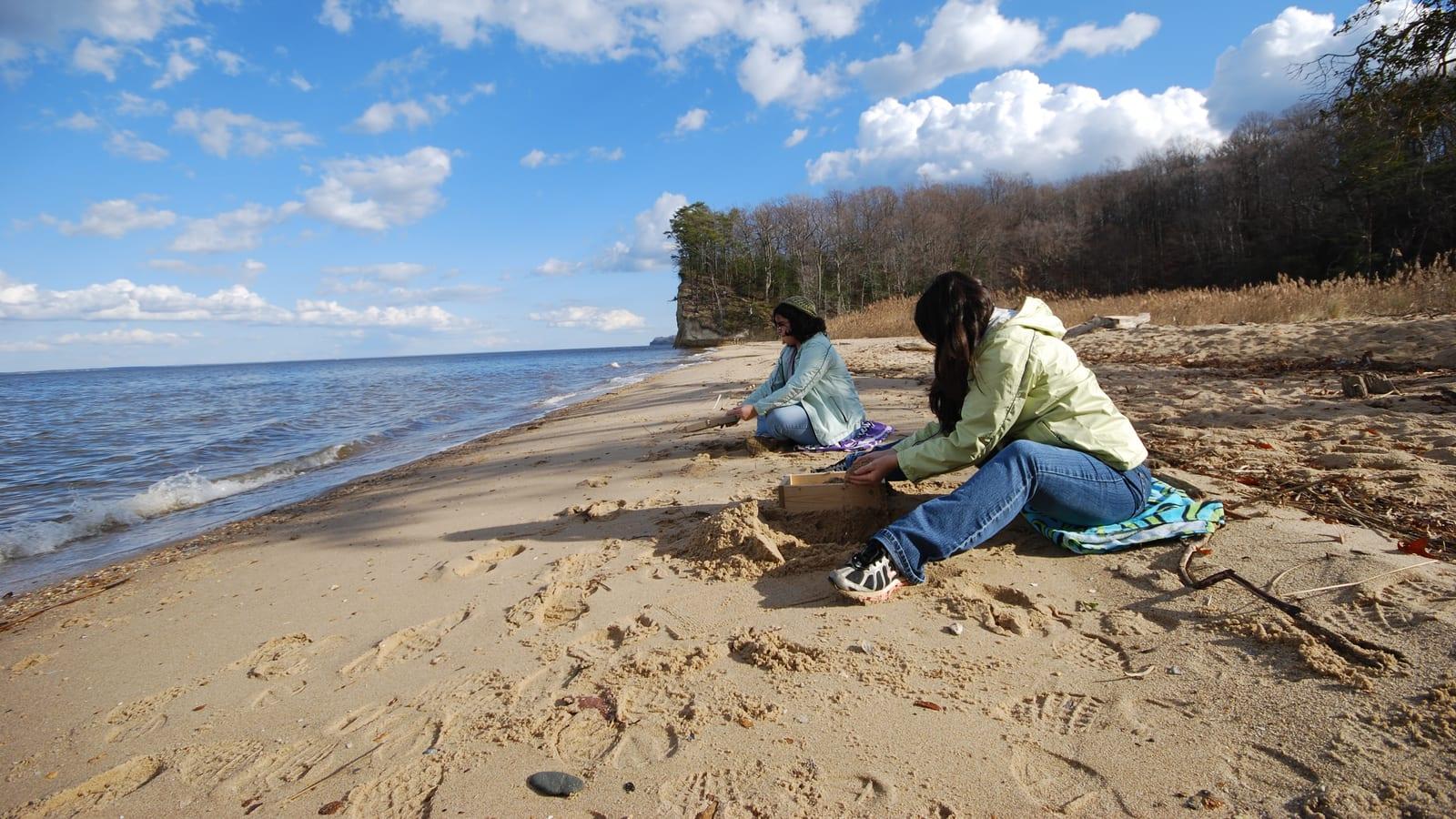
Purse State Park provides access to a small beach area where Paleocene fossils wash up from underwater deposits in the Potomac River.
This complete guide covers everything you need to know about fossil collecting at Purse, including directions to the site, collecting rules and regulations, the types of fossils you can find, and what to expect during your visit. Nanjemoy provides the nearest services and amenities for visiting collectors.
Location and Directions
You can find Purse State Park in Charles County, Maryland.
Directions to Purse
To reach Purse State Park: There is a short trail from parking area to small beach at Nanjemoy along Potomac River.
When you arrive, the fossil collecting area is located at the small beach area along the Potomac River.
What Fossils You’ll Find
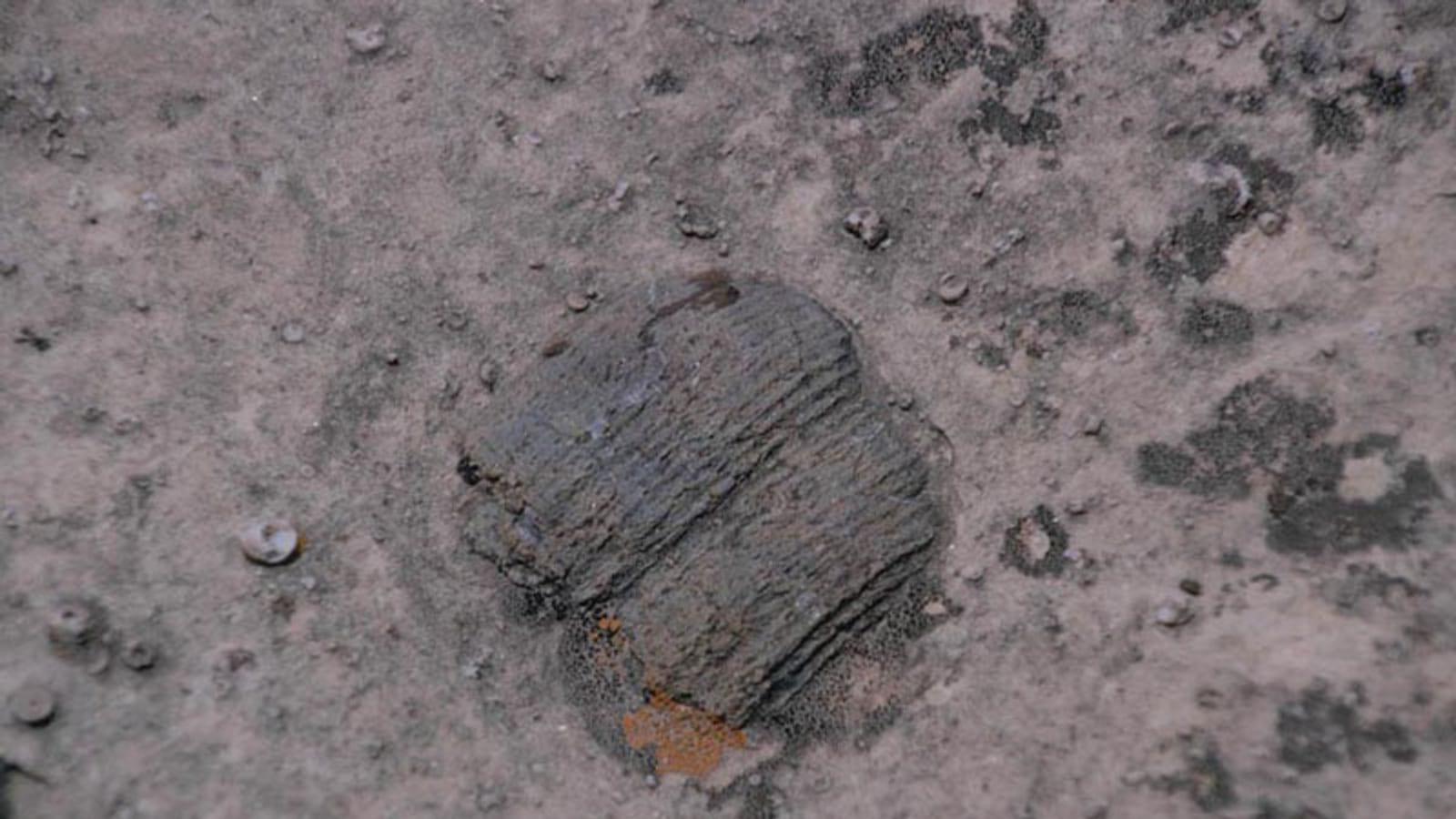
Purse State Park contains Paleocene fossils preserved in shallow-marine sediments.
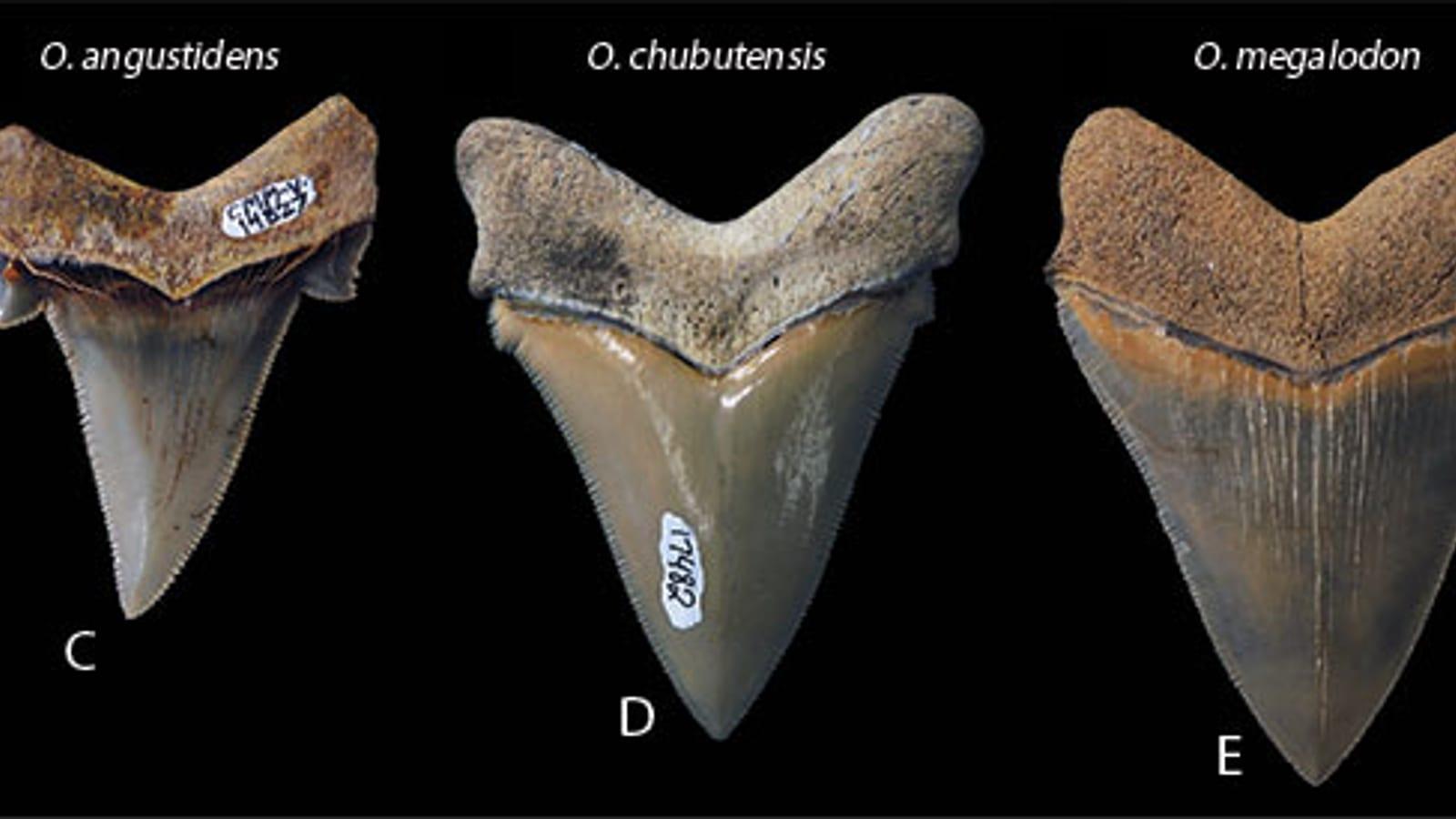
Shark teeth are the primary fossil assemblage at the site. Marine shells and mollusks are also found throughout the collecting area. Ray teeth and dental plates occur less frequently but have been been discovered at Purse.
Geologic History
Purse State Park exposes the Aquia Formation, a significant Paleocene geological unit in Charles County, Maryland.
Millions of years ago, the area that is now Nanjemoy, Maryland was a shallow coastal marine environment. The climate was warm subtropical with shallow coastal waters.
As these ancient organisms died, sediments buried and preserved their remains. Over millions of years, geological processes transformed these sediments into the fossil-bearing rocks visible at Purse today.
How Purse Became a Fossil Collecting Site
Purse State Park was established as a protected area to preserve fossil resources while providing public access for education and collecting. Recognition of the site’s paleontological importance led to its designation as a managed collecting location.
Park or preserve status protects Purse from commercial exploitation while maintaining access for hobbyists and researchers. This management approach ensures fossil resources remain available for future generations while allowing current visitors to experience the thrill of discovery.
Collecting Rules & Regulations
Is Fossil Collecting Allowed?
Fossil collecting is permitted at Purse with certain restrictions in place.
Key Points:
- Specific rules regarding quantity limits or size restrictions
- Designated collecting areas may apply
- Some specimens may be protected
- Check current regulations before visiting
These restrictions help preserve fossil resources for future visitors while still allowing meaningful collecting experiences.
Sources
Maryland state parks documentation; Chesapeake area fossil localities