Fort Clinch State Park Fossil Hunting Guide
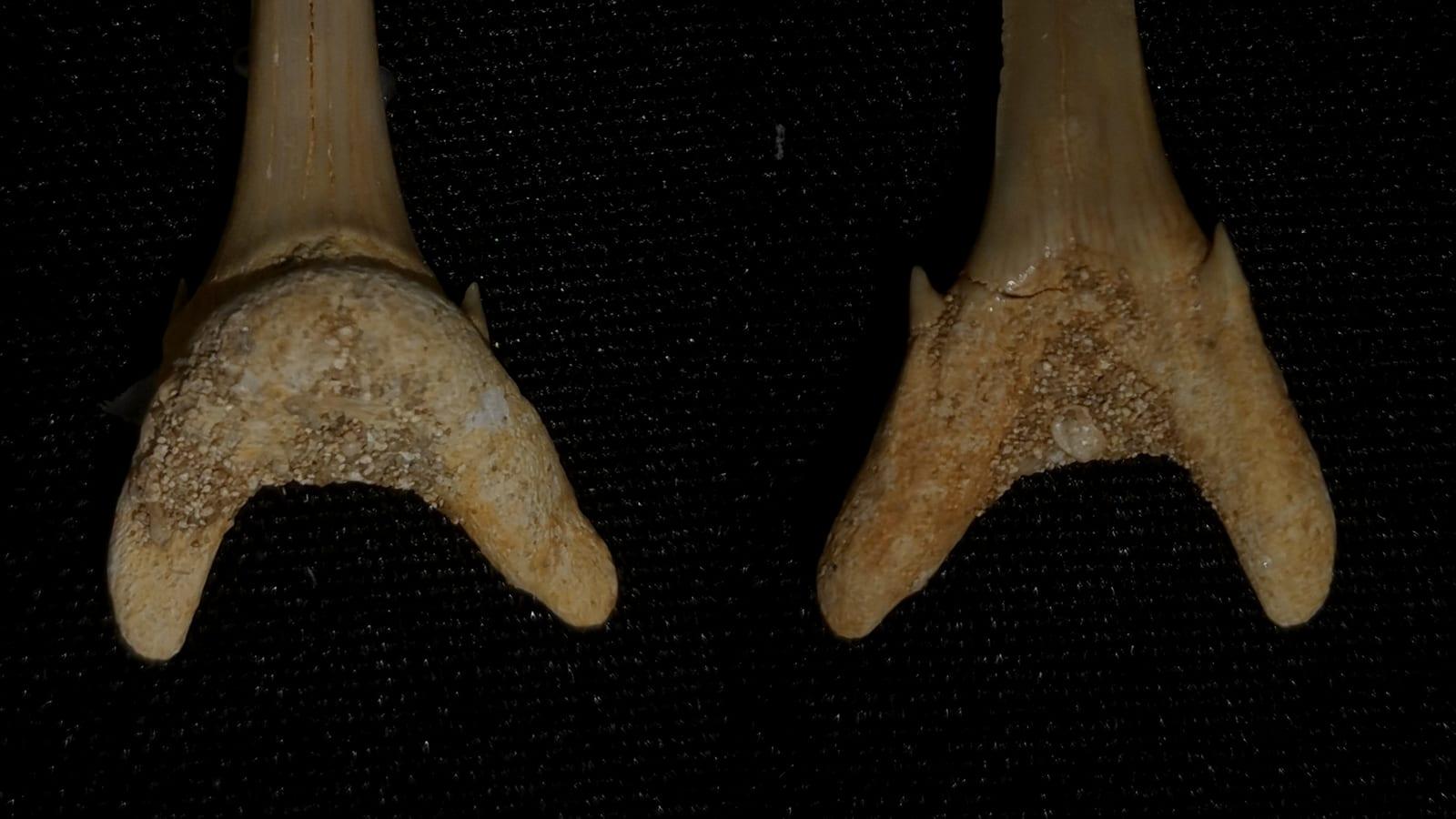
Image: Wawrow (CC BY-SA 4.0)
Beach collecting is allowed; follow state park rules and regulations. Shark teeth found but generally less abundant than Gulf coast Venice area beaches. Best collecting after storms and during specific tidal conditions. State park facilities available including historic Fort Clinch (Civil War era...
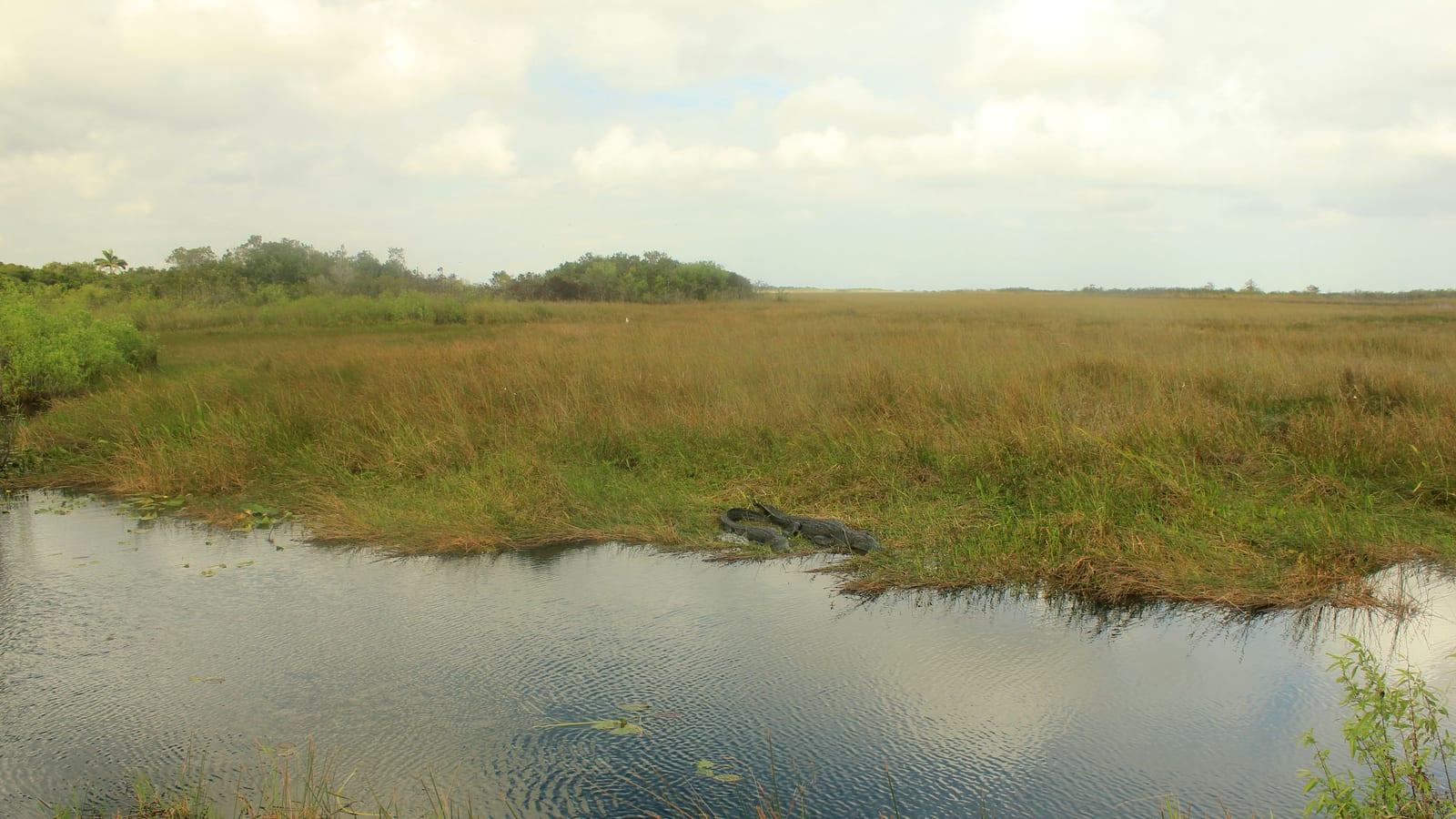
Fort Clinch State Park is a premier fossil collecting location in Nassau County, Florida. The site exposes Pleistocene-Neogene fossils where visitors can hunt for shark teeth, marine fossils, and shells. Beach collecting is allowed; follow state park rules and regulations. Shark teeth found but generally less abundant than Gulf coast Venice area beaches. Best collecting after storms and during specific tidal conditions. State park facilities available including historic Fort Clinch (Civil War era fort), camping, fishing. Check for park hours and entrance fees. Located on northernmost barrier island of Florida's east coast. Fort Clinch State Park on Amelia Island in northeastern Florida provides beach access where marine fossils wash up from offshore Atlantic deposits. The Atlantic coast location differs from Gulf coast sites like Venice, representing different geological formations and time periods. This complete guide covers everything you need to know about fossil collecting at Fort Clinch, including directions to the site, collecting rules and regulations, the types of fossils you can find, and what to expect during your visit. Amelia Island provides the nearest services and amenities for visiting collectors.
Location and Directions
You can find Fort Clinch at nan in Nassau County, Florida.
Directions to Fort Clinch
To reach Fort Clinch: There is Fort Clinch State Park beach access near historic fort. When you arrive, the fossil collecting area is located along the Atlantic beaches at Fort Clinch State Park.
What Fossils You'll Find
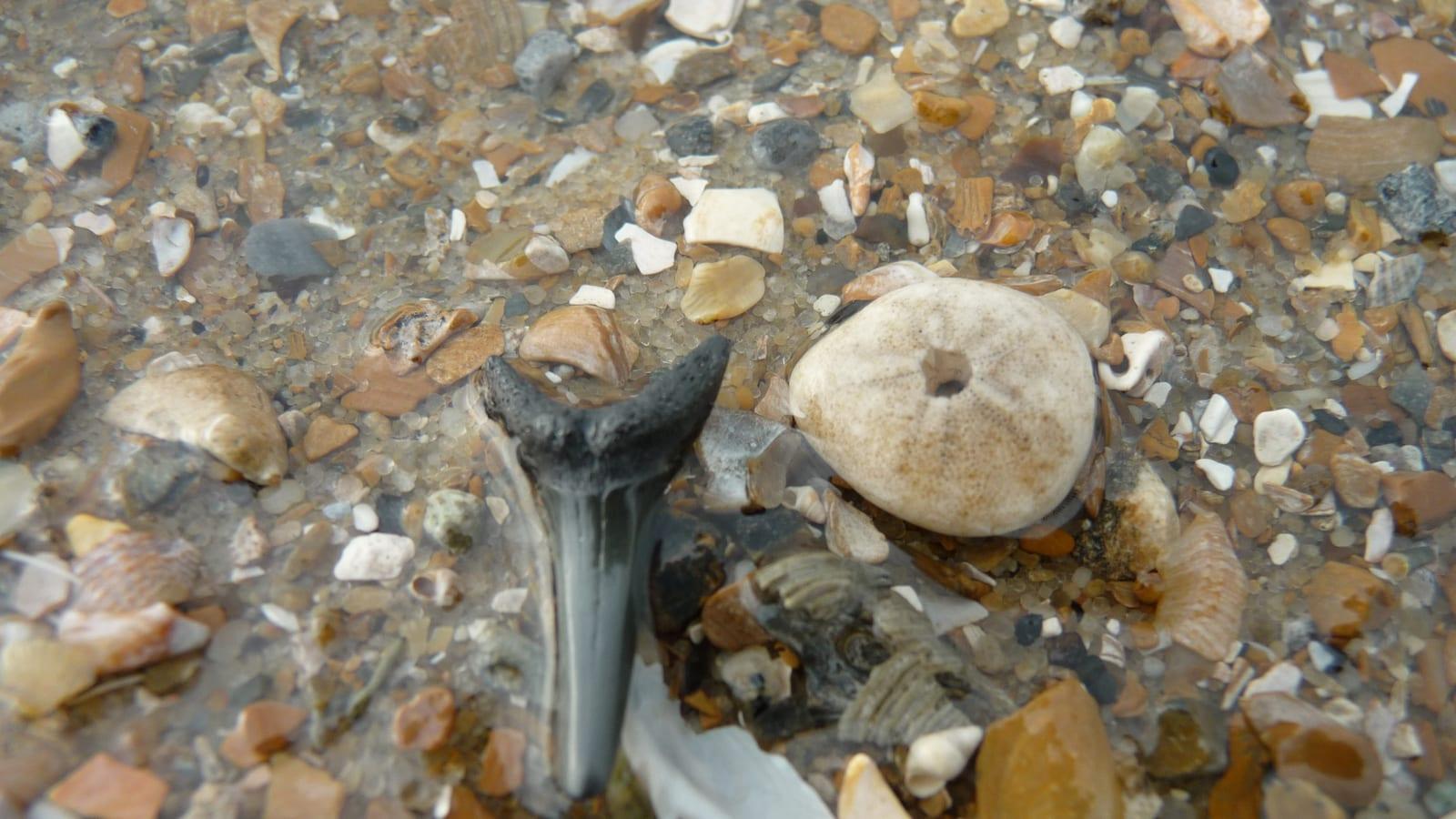
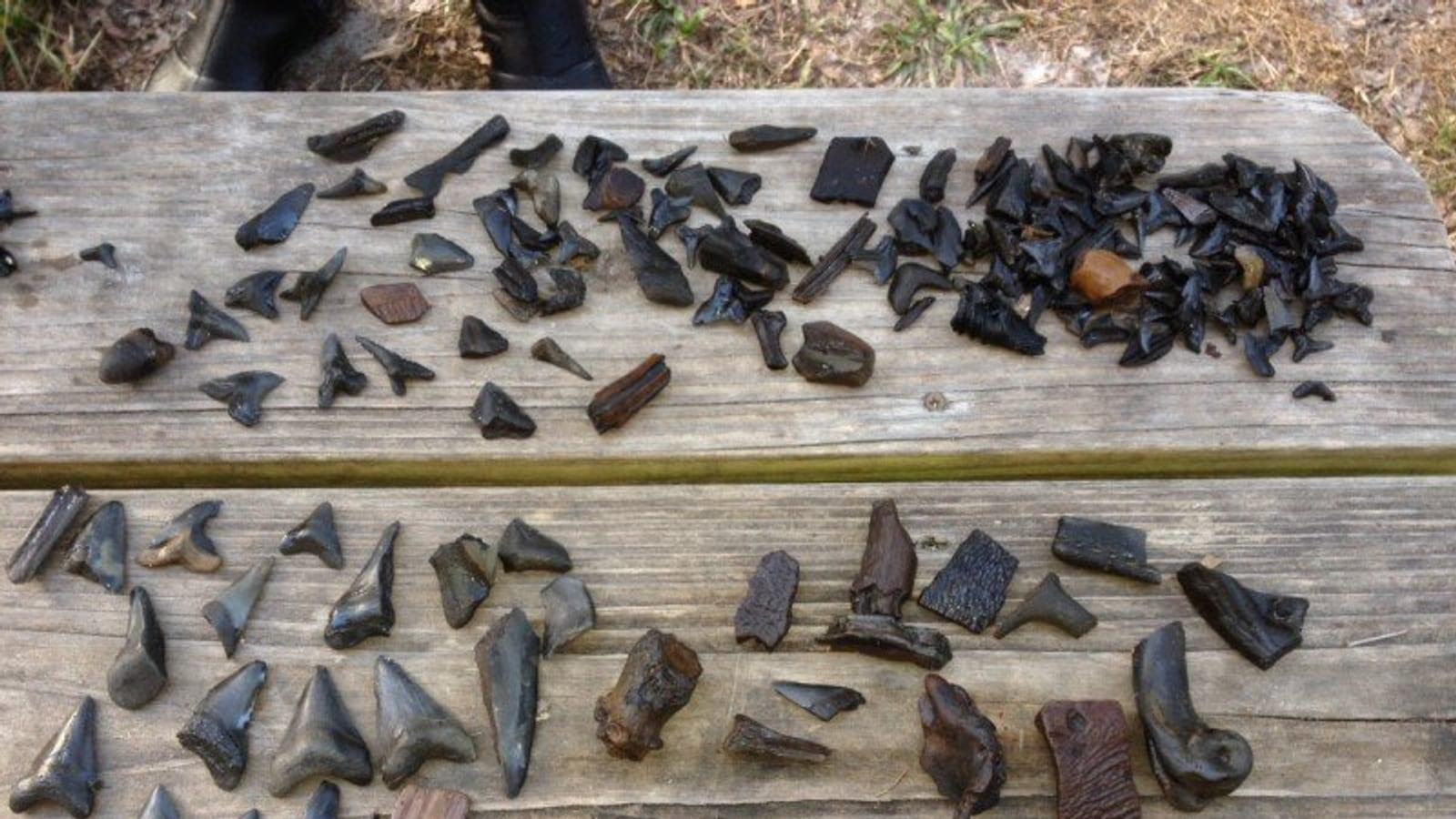
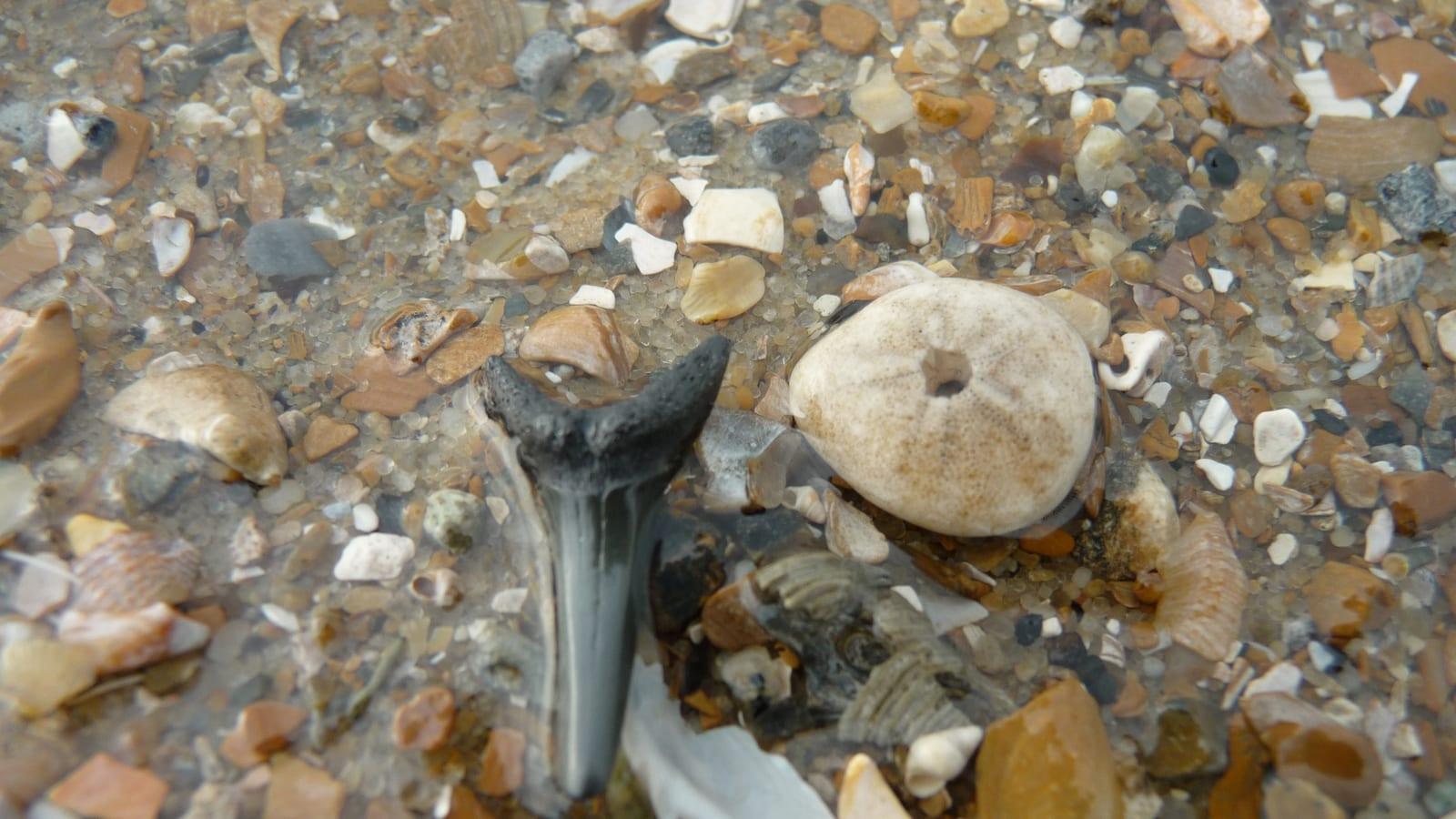
Fossil collectors visiting Fort Clinch can discover shark teeth, marine fossils, and shells. The site contains Pleistocene-Neogene fossils preserved in reworked deposits. Hunters can find both Shark teeth and Shells and mollusks at this Florida location.
Geologic History
The fossils at Fort Clinch formed during the Pleistocene-Neogene. Millions of years ago, the area that is now Amelia Island, Florida was an ancient Atlantic Ocean marine environment. It was a subtropical to warm temperate climate along the Atlantic coast. As these ancient organisms died, sediments buried and preserved their remains. Over millions of years, geological processes transformed these sediments into the fossil-bearing rocks visible at Fort Clinch today.
How Fort Clinch Became a Fossil Collecting Site
Fort Clinch was established as a protected area to preserve fossil resources while providing public access for education and collecting. Recognition of the site's paleontological importance led to its designation as a managed collecting location. Park or preserve status protects Fort Clinch from commercial exploitation while maintaining access for hobbyists and researchers. This management approach ensures fossil resources remain available for future generations while allowing current visitors to experience the thrill of discovery.
Collecting Rules & Regulations
Is Fossil Collecting Allowed?
Fort Clinch allows fossil collecting for visitors who follow proper procedures.
Sources
Florida state parks documentation; Amelia Island geological information