Falls of the Ohio State Park Fossil Hunting Guide
Image: Chris Light (CC BY-SA 4.0)
The park preserves the fossil beds as part of 1,404-acre National Wildlife Conservation Area. Check park rules regarding collecting. The main attraction is viewing the extensive in-place fossil reef exposed in the riverbed. Best viewing at low water (August-October). Boardwalks and state-of-the-a...
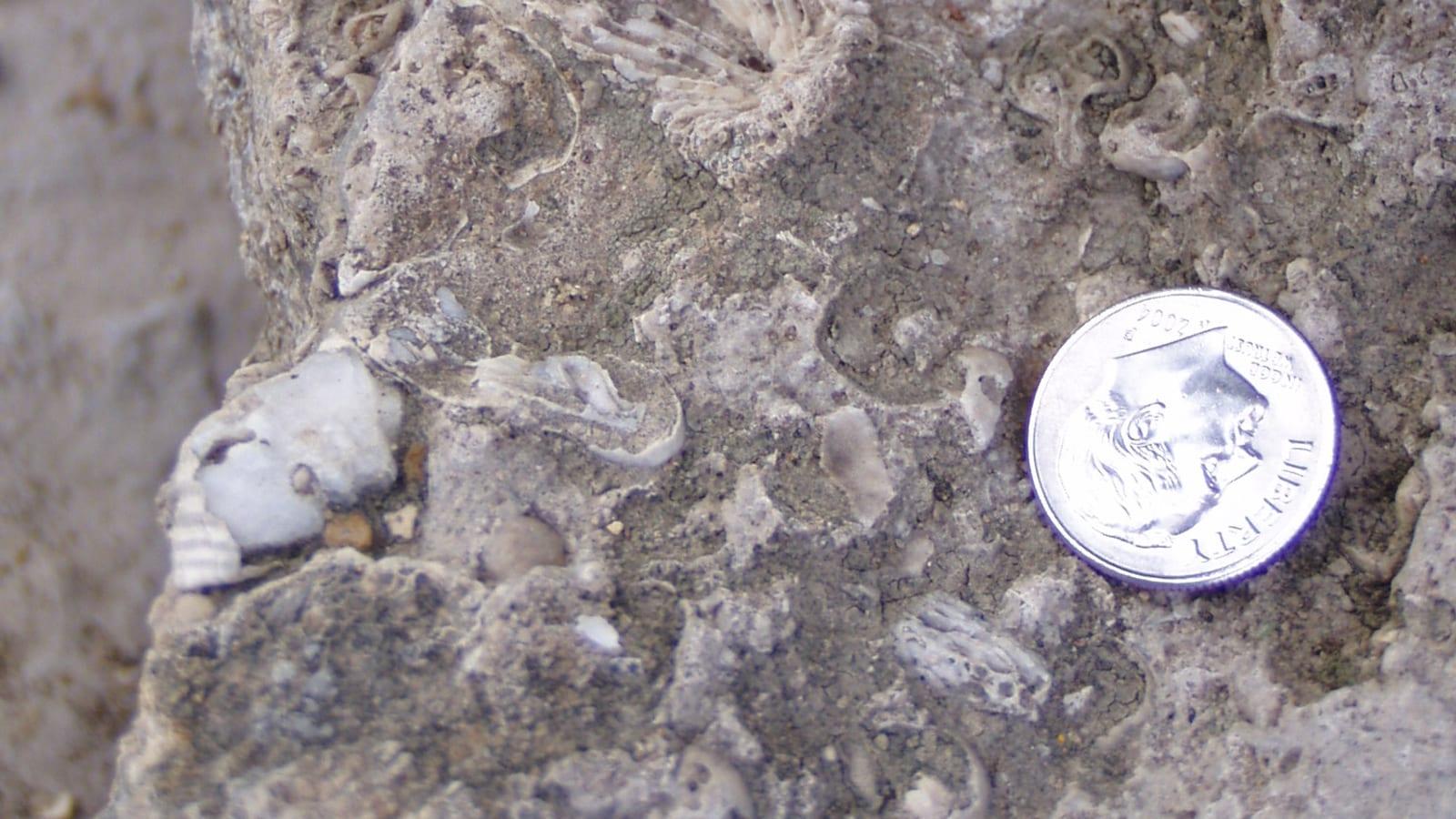
Falls of the Ohio State Park is a premier fossil collecting location in Clark County, Indiana. The site exposes Devonian (Middle Devonian) fossils where visitors can hunt for corals, brachiopods, stromatoporoids, crinoids, bryozoans, and mollusks.
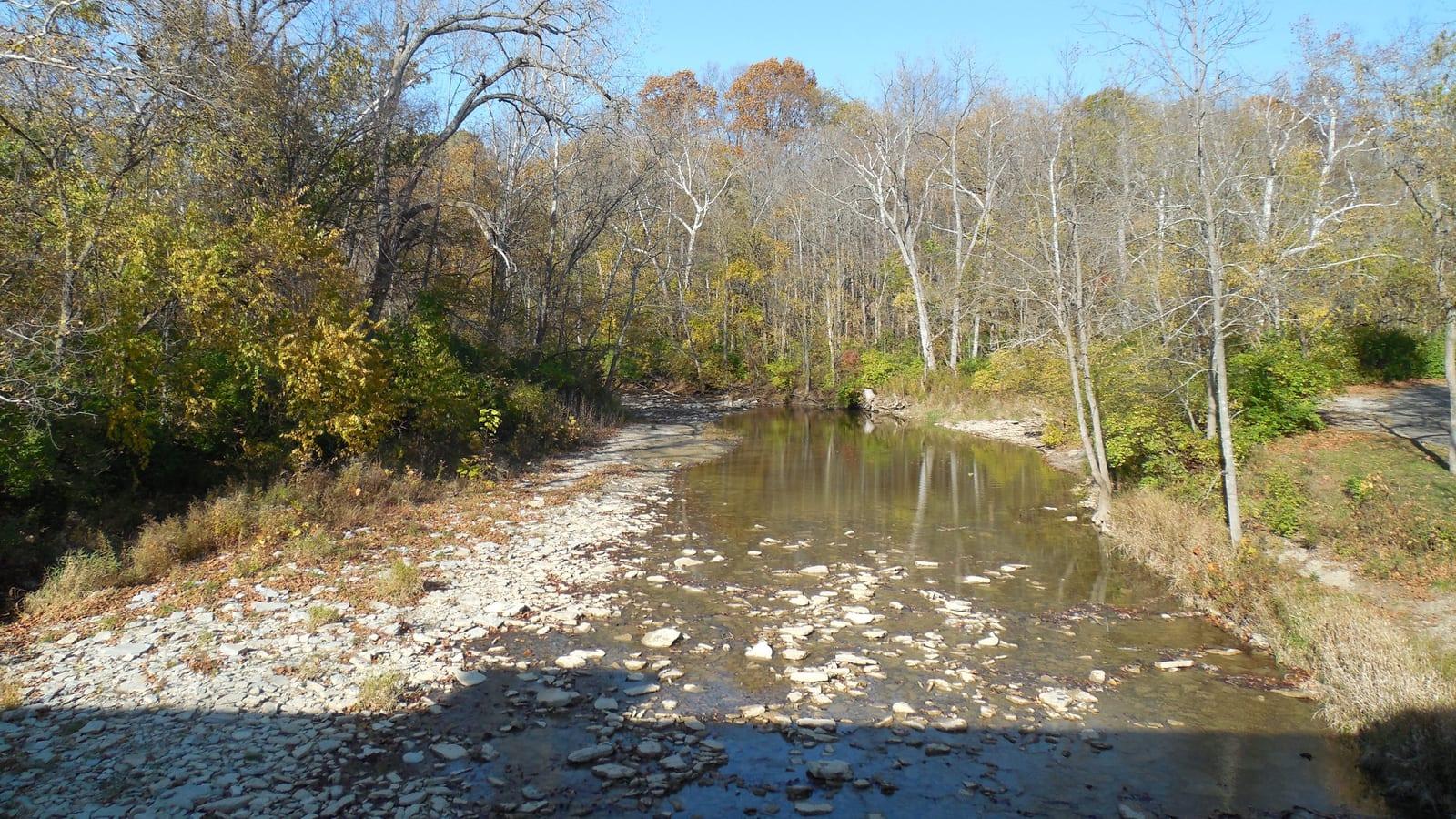
The park preserves the fossil beds as part of 1,404-acre National Wildlife Conservation Area. Check park rules regarding collecting. The main attraction is viewing the extensive in-place fossil reef exposed in the riverbed. Best viewing at low water (August-October). Boardwalks and state-of-the-art interpretive center (opened 1994, renovated 2014) with immersive exhibits available. Approximately 390 million years old. Fossils are abundant and visible in the limestone pavement including some of the largest fossils: 50-foot-long branching coral, 15-foot-wide honeycomb coral, four-foot horn coral. Some collecting may be allowed in specific designated collecting piles by parking lot- check with park staff. Visitor center features exhibits on Ancient Sea, A Changing Land, Converging Cultures, and The Falls Today.
Falls of the Ohio is one of the largest exposed Devonian fossil beds in the world. The fossil reef is approximately 386-390 million years old. The site was designated a National Natural Landmark in 1966 by the U.S. Department of Interior, among the first natural resources so recognized. More than 600 species of fossils have been described at the Falls, two-thirds of which have been ‘type specimens’ (fossils described for the first time). Over 250 species of corals identified. George Rogers Clark established the first permanent English-speaking settlement in the Northwest Territory here in 1778. William Clark set out from here with Meriwether Lewis to explore the Louisiana Purchase.
This complete guide covers everything you need to know about fossil collecting at Falls of the Ohio, including directions to the site, collecting rules and regulations, the types of fossils you can find, and what to expect during your visit. Clarksville provides the nearest services and amenities for visiting collectors.
Location and Directions
Falls of the Ohio State Park is located at 201 West Riverside Drive Clarksville IN. The fossil collecting site is in Clarksville, Clark County, Indiana.
Directions to Falls of the Ohio
To reach Falls of the Ohio: Park entrance at 201 W Riverside Dr with visitor center and interpretive center; boardwalks lead to exposed fossil beds along Ohio River.
When you arrive, the fossil collecting area is located at the exposed Devonian fossil reef along the Ohio River.
What Fossils You’ll Find
Falls of the Ohio contains Devonian (Middle Devonian) fossils preserved in limestone.
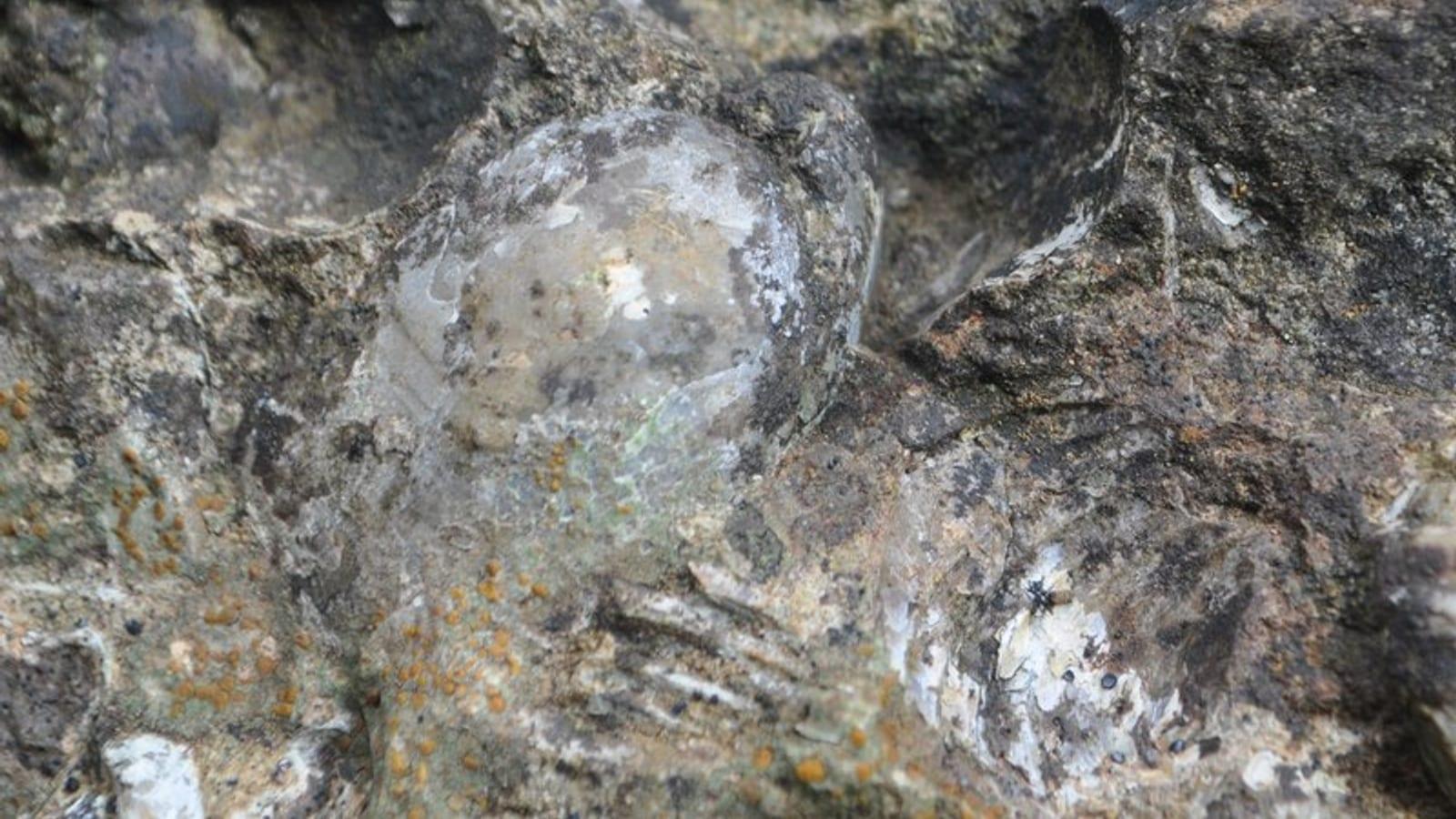
Corals (tabulate and rugose) are the primary fossil assemblage at the site. Brachiopods are also found throughout the collecting area. Stromatoporoids occurs less frequently but has been been discovered at Falls of the Ohio. Collecting on the reef itself is not allowed.
Geologic History
The fossils at Falls of the Ohio formed during the Devonian (Middle Devonian).
Millions of years ago, the area that is now Clarksville, Indiana was an ancient coral reef system. The climate was tropical with warm shallow seas supporting extensive reef communities including corals, stromatoporoids, brachiopods, and diverse marine invertebrates.
As these ancient organisms died, sediments buried and preserved their remains. Over millions of years, geological processes transformed these sediments into the fossil-bearing rocks visible at Falls of the Ohio today.
How Falls of the Ohio Became a Fossil Collecting Site
Falls of the Ohio was established as a protected area to preserve fossil resources while providing public access for education and collecting. Recognition of the site’s paleontological importance led to its designation as a managed collecting location.
Park or preserve status protects Falls of the Ohio from commercial exploitation while maintaining access for hobbyists and researchers. This management approach ensures fossil resources remain available for future generations while allowing current visitors to experience the thrill of discovery.
Collecting Rules & Regulations
Is Fossil Collecting Allowed?
Collecting on the reef itself is not allowed.
Sources
Indiana DNR Falls of the Ohio State Park website; FallsOfTheOhio.org; Go Southern Indiana park guides; Wikipedia; TouristSecrets articles; Visit Indiana blog; Godfrey 2018 GSA abstract; Falls fossil beds National Natural Landmark documentation