Cowan Lake State Park Fossil Hunting Guide
Image: No restrictions
Collecting is allowed (check park guidance/visitor center for current rules).
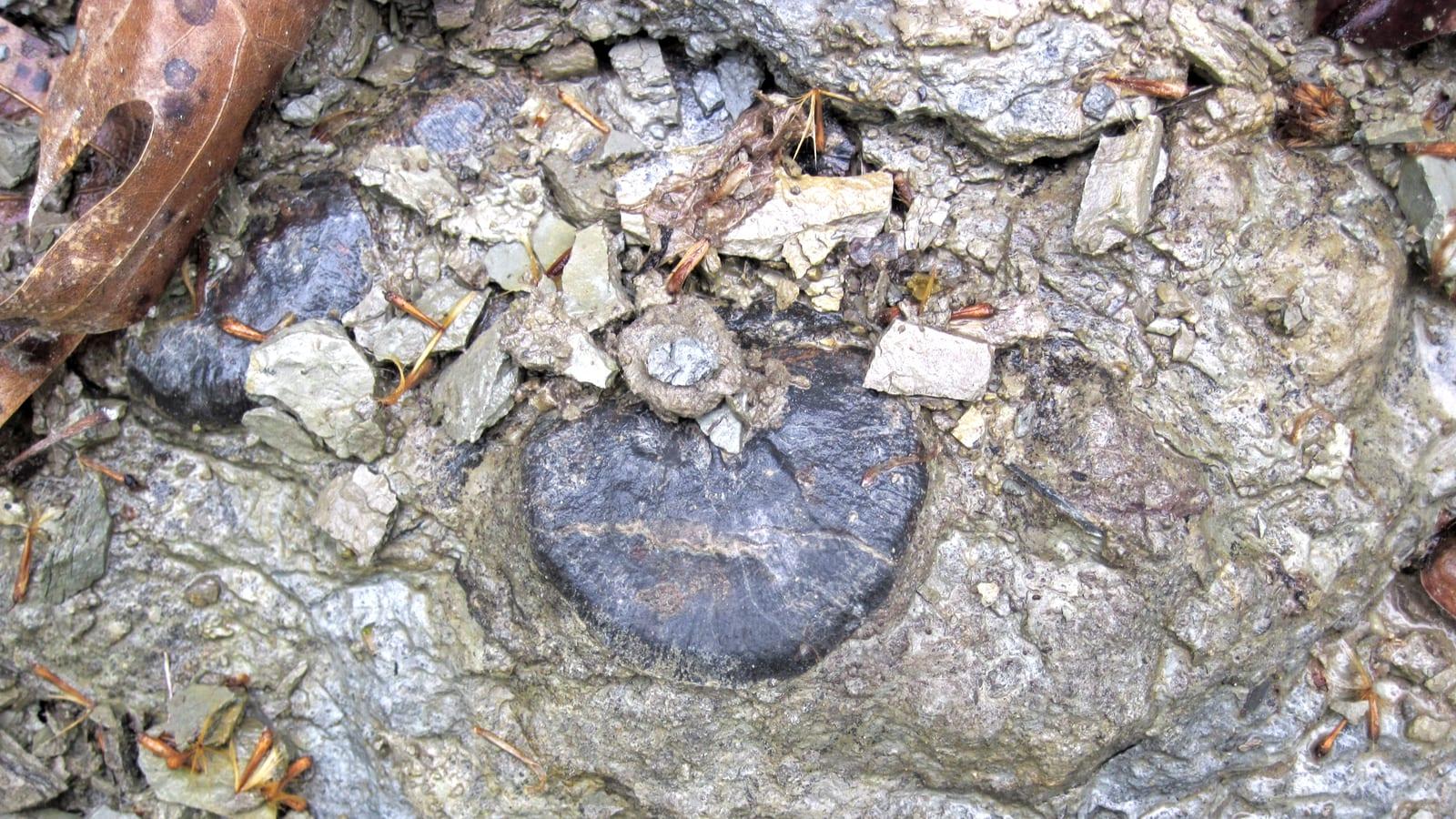
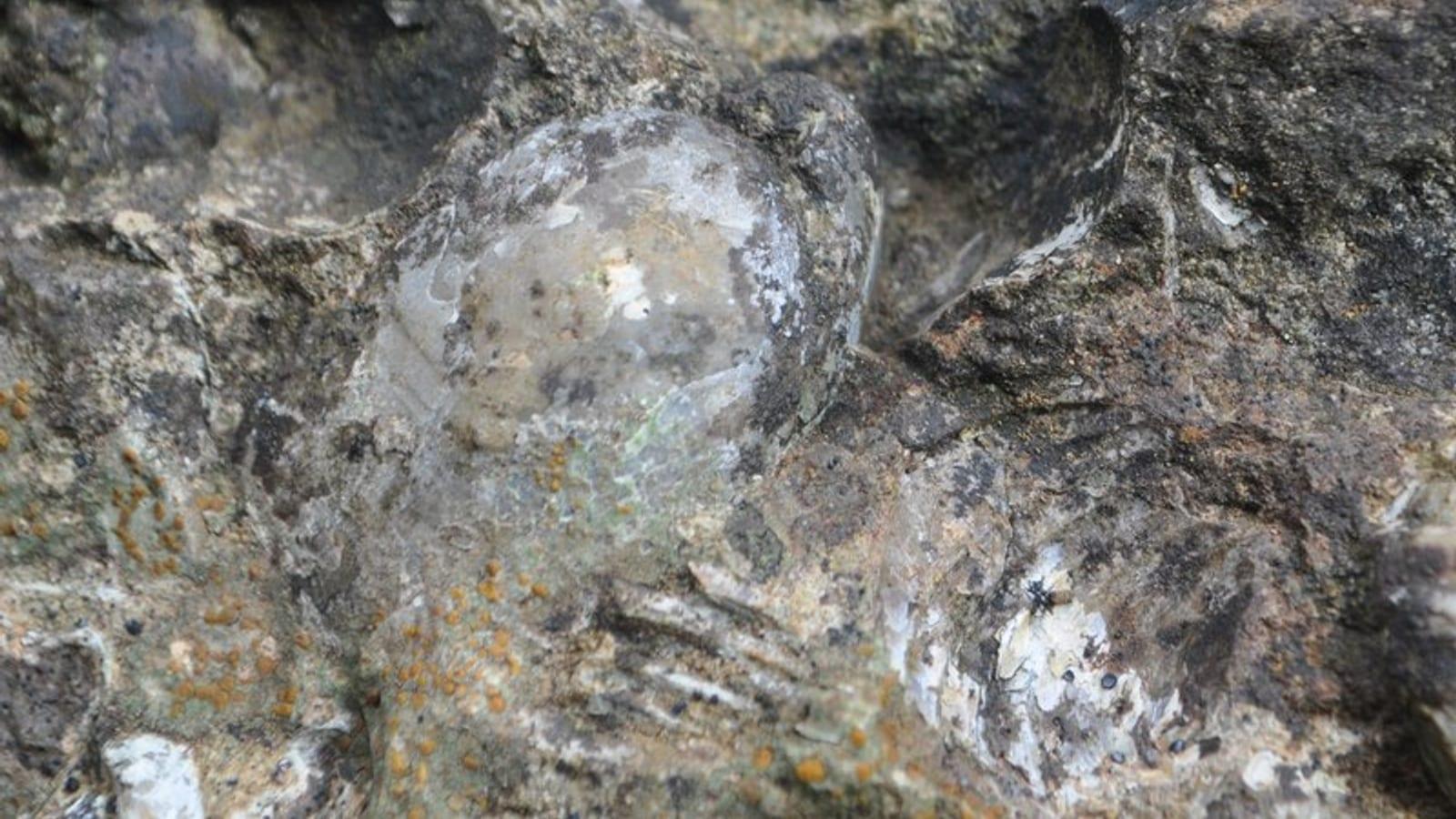
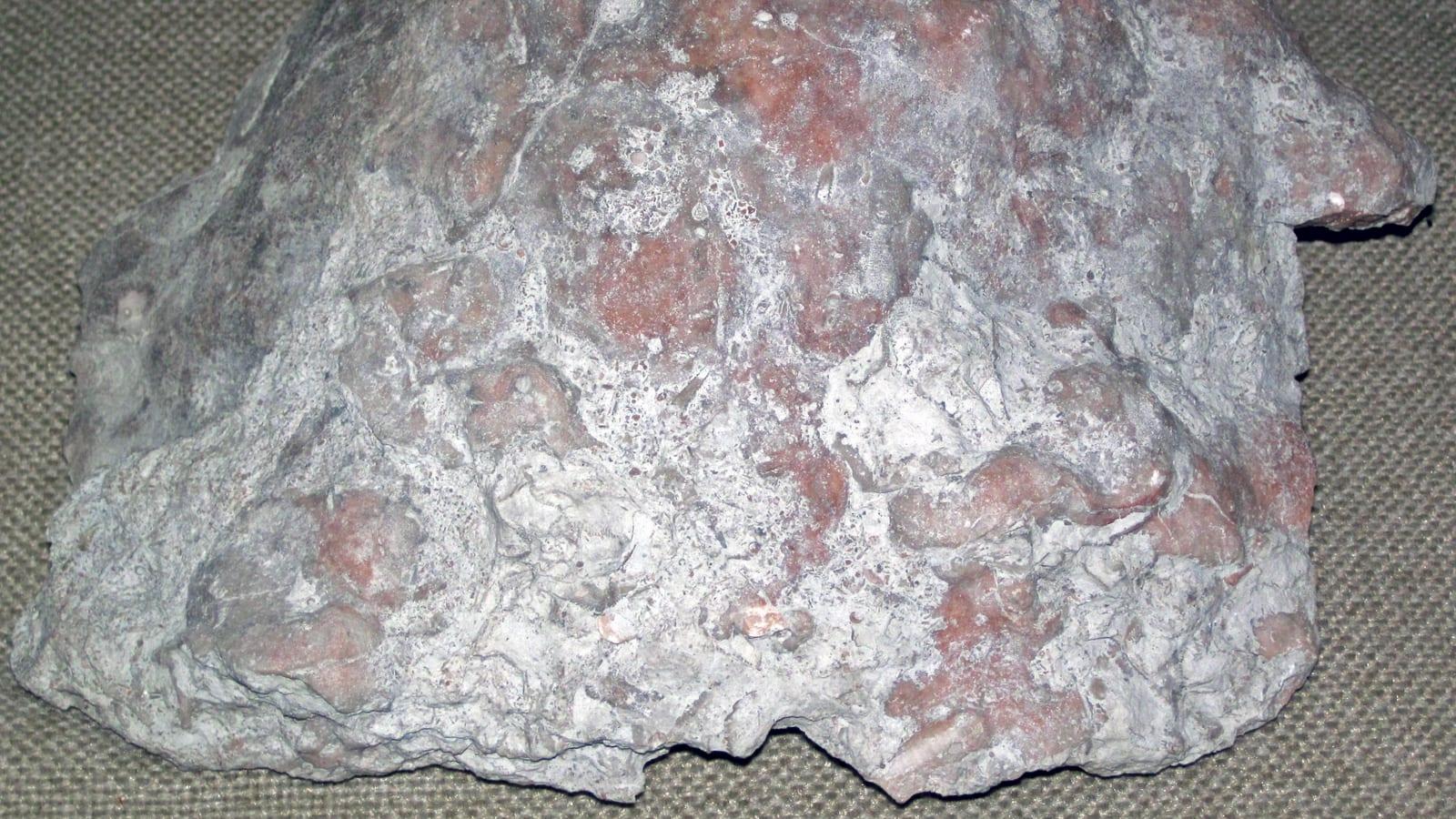
Cowan Lake State Park is a premier fossil collecting location in Clinton County, Ohio. The site exposes Ordovician (Late Ordovician) fossils where visitors can hunt for brachiopods, bryozoans, horn corals, and crinoids.
Collecting is allowed (check park guidance/visitor center for current rules).
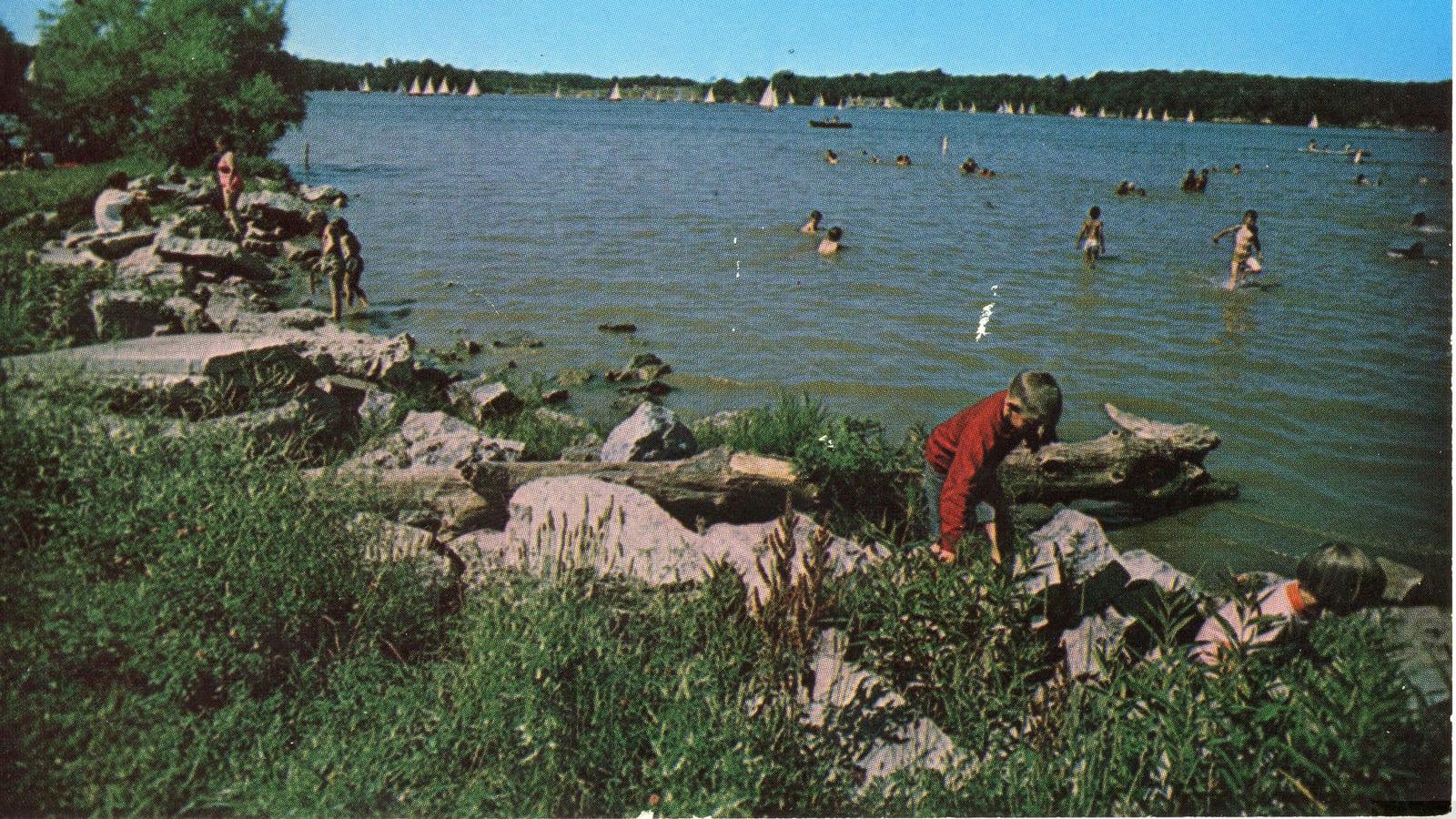
Cowan Lake was created by a dam for flood control. The spillway exposed Ordovician limestone containing abundant fossils. The exposed rock layers represent the ancient sea floor that once covered this region.
This complete guide covers everything you need to know about fossil collecting at Cowan Lake, including directions to the site, collecting rules and regulations, the types of fossils you can find, and what to expect during your visit. Wilmington provides the nearest services and amenities for visiting collectors.
Location and Directions
Cowan Lake State Park is located at 1750 Osborn Rd, Wilmington, OH 45177-8615. The fossil collecting site is in Wilmington, Clinton County, Ohio.
Directions to Cowan Lake
To reach Cowan Lake: Find the spillway area on Route 730 north side of dam.
When you arrive, the fossil collecting area is located at the spillway exposure.
What Fossils You’ll Find
Cowan Lake contains Ordovician (Late Ordovician) fossils preserved in limestone and shale.
Brachiopods are the primary fossil assemblage at the site. Bryozoans are also found throughout the collecting area. Horn corals occur less frequently but have been been discovered at Cowan Lake.
Geologic History
The fossils at Cowan Lake formed during the Ordovician (Late Ordovician).
Millions of years ago, the area that is now Wilmington, Ohio was a shallow tropical sea environment. The climate was warm tropical with shallow marine conditions.
As these ancient organisms died, sediments buried and preserved their remains. Over millions of years, geological processes transformed these sediments into the fossil-bearing rocks visible at Cowan Lake today.
How Cowan Lake Became a Fossil Collecting Site
Cowan Lake was created by a dam for flood control. The spillway exposed Ordovician limestone containing abundant fossils. The exposed rock layers represent the ancient sea floor that once covered this region.
Park or preserve status protects Cowan Lake from commercial exploitation while maintaining access for hobbyists and researchers. This management approach ensures fossil resources remain available for future generations while allowing current visitors to experience the thrill of discovery.
Collecting Rules & Regulations
Is Fossil Collecting Allowed?
Fossil collecting is allowed at Cowan Lake. Visitors may keep the fossils they find at this public collecting site.
Key Points:
- No permits or fees required
- Open to all experience levels
- Specimens become property of the collector
- Free access to fossil beds
Tools and Equipment
Recommended Tools:
Fossil collectors should verify which tools are allowed before beginning their search. Some sites provide tools for visitors, while others require collectors to bring their own equipment.
Common Collecting Tools:
- Rock hammers and chisels
- Brushes for cleaning specimens
- Hand screens for processing sediment
- Sturdy containers, bags, or buckets
- Newspaper or bubble wrap for protection
- Spray bottle with water (reveals fossil details)
Safety Guidelines
Essential Safety Guidelines:
Safety should be every collector’s top priority when visiting Cowan Lake.
Personal Protection:
- Wear closed-toe shoes or boots with good traction
- Eye protection is essential when using rock hammers or chisels
- Sun protection: sunscreen, hats, and protective clothing
- Bring plenty of water and stay hydrated
Site Awareness:
- Supervise children at all times
- Watch for unstable rock faces, deep water, steep slopes
- Be aware of poisonous plants and wildlife
- Let someone know your plans before visiting remote sites
- Never collect alone in isolated areas
Sources
Ohio state parks documentation; This Local Life Ohio fossil parks article