Dalbyover Quarry Fossil Hunting Guide
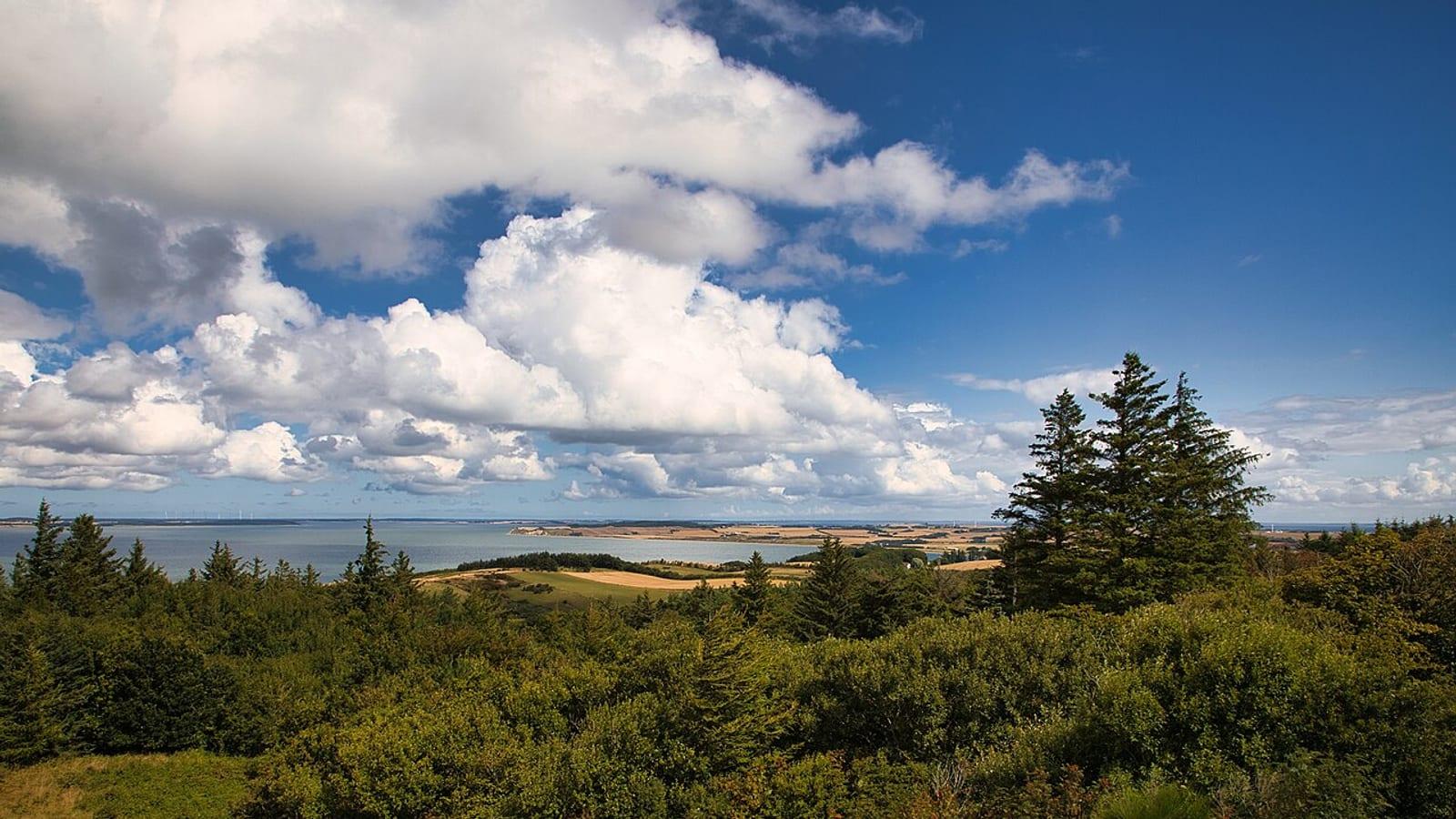
Image: Diego Delso via Wikimedia Commons
Free Paleocene bryozoan fossil collecting at Dalbyover's abandoned limestone quarry near Mariager Fjord. Remote northern Jutland site with tools allowed, no fees.
The abandoned limestone quarry at Dalbyover in northern Jutland offers free access to Early Paleocene bryozoan fossils in a quiet, undeveloped setting that sees almost no visitors. The quarry is small — roughly 100 meters long — with low walls of pale limestone and rubble piles where bryozoan colonies up to 30 centimeters across weather out of the rock. The fossils date to the Danian Stage, approximately 65 to 61 million years ago, when bryozoan-dominated reefs covered the seafloor during the recovery period following the mass extinction at the end of the Cretaceous. Sea urchins, brachiopods, and small bivalves also occur. This is genuine field collecting with tools allowed, no fees, and no facilities — a site for collectors who want Paleocene bryozoans without the drive to the coast. The nearest significant town, Mariager, is 15 kilometers south along the fjord and provides lodging and services in an attractive medieval setting. This guide covers how to reach the quarry, what to collect, the geological context, and everything you need for a productive visit.
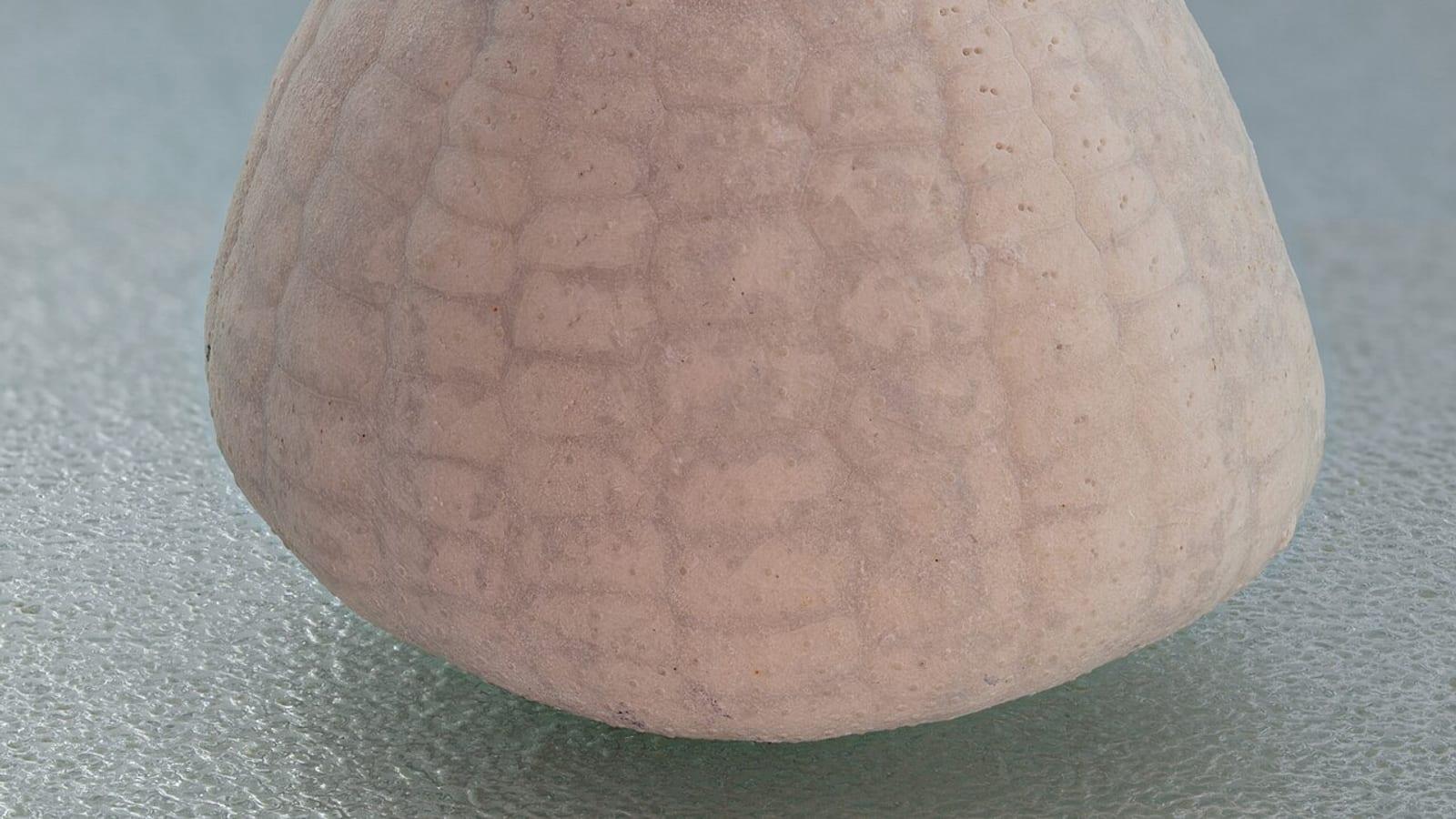
 Fosil de erizo de mar (Echinocorys sulcata), Dalbyover, Dinamarca, 2021-01-13, DD 030-056 FS.jpg. Photo: Diego Delso via Wikimedia Commons (CC BY-SA 4.0)
Location and Directions
Address
Dalbyover Quarry, Dalbyovervej, 9560 Hadsund, Mariagerfjord Municipality, North Denmark Region. The quarry has no formal address; navigate using GPS coordinates 56.7834°N, 10.0523°E. Signage at the site is minimal.
Getting There
From Copenhagen, drive north on the E45 motorway past Odense, Vejle, and Skanderborg to Randers (approximately 290 kilometers), then continue north on the E45 to Aalborg. From Aalborg, drive east on Route 16 toward Hadsund (50 kilometers). Approximately 10 kilometers before Hadsund, in the village of Dalbyover, turn north on Dalbyovervej. Drive 500 meters and look for the small quarry entrance on the left side of the road. Park on the road shoulder; there is no dedicated parking area. The total drive from Copenhagen is approximately 350 kilometers and takes 4 to 4.5 hours. There is no practical public transport to this location. The nearest services are in Hadsund, 8 kilometers east, which has supermarkets, gas stations, and cafés.
What Fossils You'll Find
Bryozoans are the primary fossil at Dalbyover and the reason to make the trip. These colonial filter-feeding animals built reef-like mound structures on the Early Paleocene seafloor, secreting intricate calcium carbonate skeletons. The colonies preserve in several forms: branching forms with thin cylindrical branches, massive encrusting sheets spread across rock surfaces, and delicate fenestrate (window-like) colony types with regular geometric patterns. Complete colonies 10 to 30 centimeters across weather from the limestone ledges. Smaller fragments are abundant throughout the rubble piles.
 Fossil bryozoan in limestone (Upper Ordovician; Warren County, Ohio, USA).jpg. Photo: James St. John via Wikimedia Commons (CC BY 2.0)
Sea urchins occur regularly at Dalbyover. The most common are irregular echinoids with distinctive flattened heart shapes — a characteristic Danian type. Tests range from 2 to 4 centimeters and are found as internal molds or with shell material preserved. Brachiopods appear as ribbed shells and internal molds, typically 1 to 3 centimeters across, attached to bryozoan surfaces or in the matrix between colony fragments. Small bivalves and gastropods occur in the limestone matrix. The diversity and abundance of these groups reflects the rapid rebuilding of marine ecosystems in the warm Paleocene seas following the end-Cretaceous extinction.
The best material comes from fresh rubble at the base of ledges where freeze-thaw weathering has loosened blocks. Examine cut faces with a hand lens; the bryozoan structure often stands out more clearly once you know what the colony architecture looks like.
Geologic History
The Ancient Environment
The Dalbyover limestone belongs to the Danian Stage of the Early Paleocene, approximately 65 to 61 million years ago. This period immediately followed the Cretaceous-Paleogene mass extinction. The limestone differs significantly from the underlying Cretaceous chalk: instead of microscopic coccolithophore shells, it is built from bryozoan colonies, brachiopod shells, and other larger carbonate-secreting organisms. This compositional shift reflects the wholesale restructuring of marine ecosystems after the extinction eliminated approximately 75 percent of species.
The bryozoan mounds formed in warm, clear water approximately 50 to 100 meters deep. Gentle currents supplied food for the filter-feeders without bringing excessive sediment that would have smothered the colonies. Sea surface temperatures reached 20 to 24 degrees Celsius based on oxygen isotope analysis. Denmark sat at approximately 45 to 50 degrees north latitude with no polar ice and elevated atmospheric CO2 maintaining subtropical warmth. The excellent preservation of delicate bryozoan structures indicates the organisms were buried in place, not transported. The limestone is 85 to 90 percent calcium carbonate with minimal clay content, confirming clear-water depositional conditions.
How Dalbyover Quarry Became a Fossil Collecting Site
Local farmers operated the Dalbyover quarry intermittently during the 1800s and early 1900s, extracting limestone for agricultural lime to reduce soil acidity, and occasionally for small construction projects. The remote location and limited scale meant the operation never grew into a major commercial enterprise. Quarrying ceased by the mid-1900s. The site gradually revegetated and has been used by fossil collectors since the 1950s after local enthusiasts spread word of the bryozoan fossils through Danish collecting circles. The quarry is privately owned but informal access for collecting has been tolerated for decades. No official designation or protection applies to this site.
Collecting Rules and Regulations
Is Fossil Collecting Allowed?
Fossil collecting at Dalbyover is free with no permits or fees. The site is accessible during daylight hours year-round; there are no gates or restrictions. Access is informal and depends on the continued goodwill of the landowner. Respect the property: stay within the quarry area, carry out all litter, and minimize disturbance. Tools are allowed, as this is an abandoned inactive quarry, not a protected geological site.
Recommended Tools
Bring a geological hammer of at least 500 grams — heavier for extracting large bryozoan colonies from ledge faces. A cold chisel gives better control when splitting limestone. Safety glasses are essential when hammering limestone. Gloves protect hands from sharp rock edges. Carry a backpack or bucket for finds, water, snacks, and a first aid kit. Wear sturdy boots and long pants to protect against rough rock surfaces and vegetation. Consider a bucket or bag for heavy specimens — some bryozoan colonies are substantial. A hand lens (10x magnification) helps identify colony architecture.
Safety
The quarry walls are low (3 to 5 meters) and stable, presenting minimal rockfall risk compared to coastal cliff sites. The main hazards are sharp limestone edges and uneven ground. Be aware that loose vegetation may conceal unstable rubble. No mobile phone signal may be available in this remote location — inform someone of your plans before visiting. Best conditions are spring (April to May) after frost-thaw loosens material, and autumn (September to October) when vegetation die-back exposes more of the quarry floor. Summer vegetation can obscure finding spots.
Sources
Nearby sites
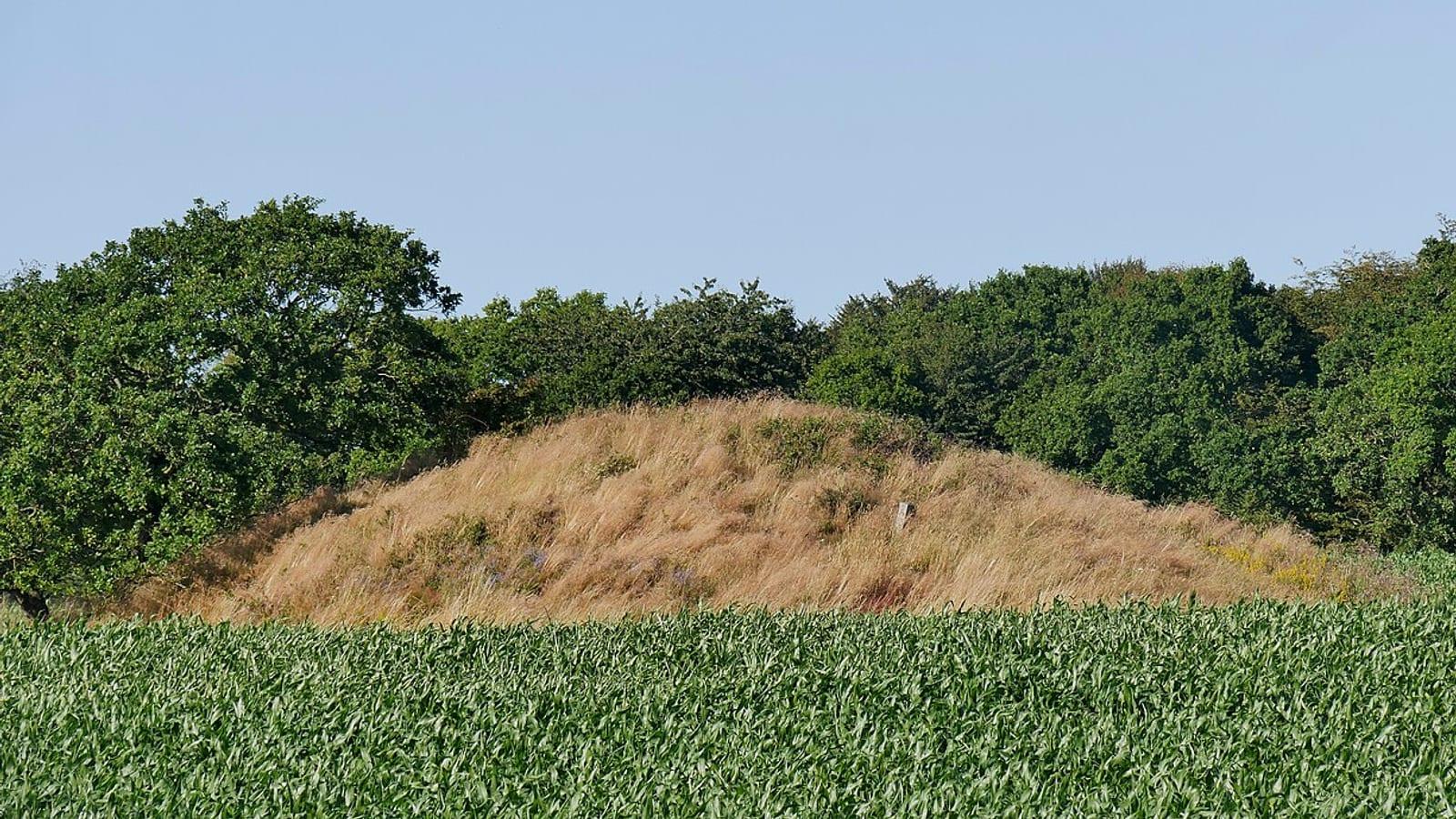 Katbjerg Odde Mariager Fjord Fossil Hunting GuideKatbjerg Odde, Bryozoans
 Fur Island Knudeklinterne Fossil Hunting GuideKnudeklinterne cliffs, Knudeklint Member
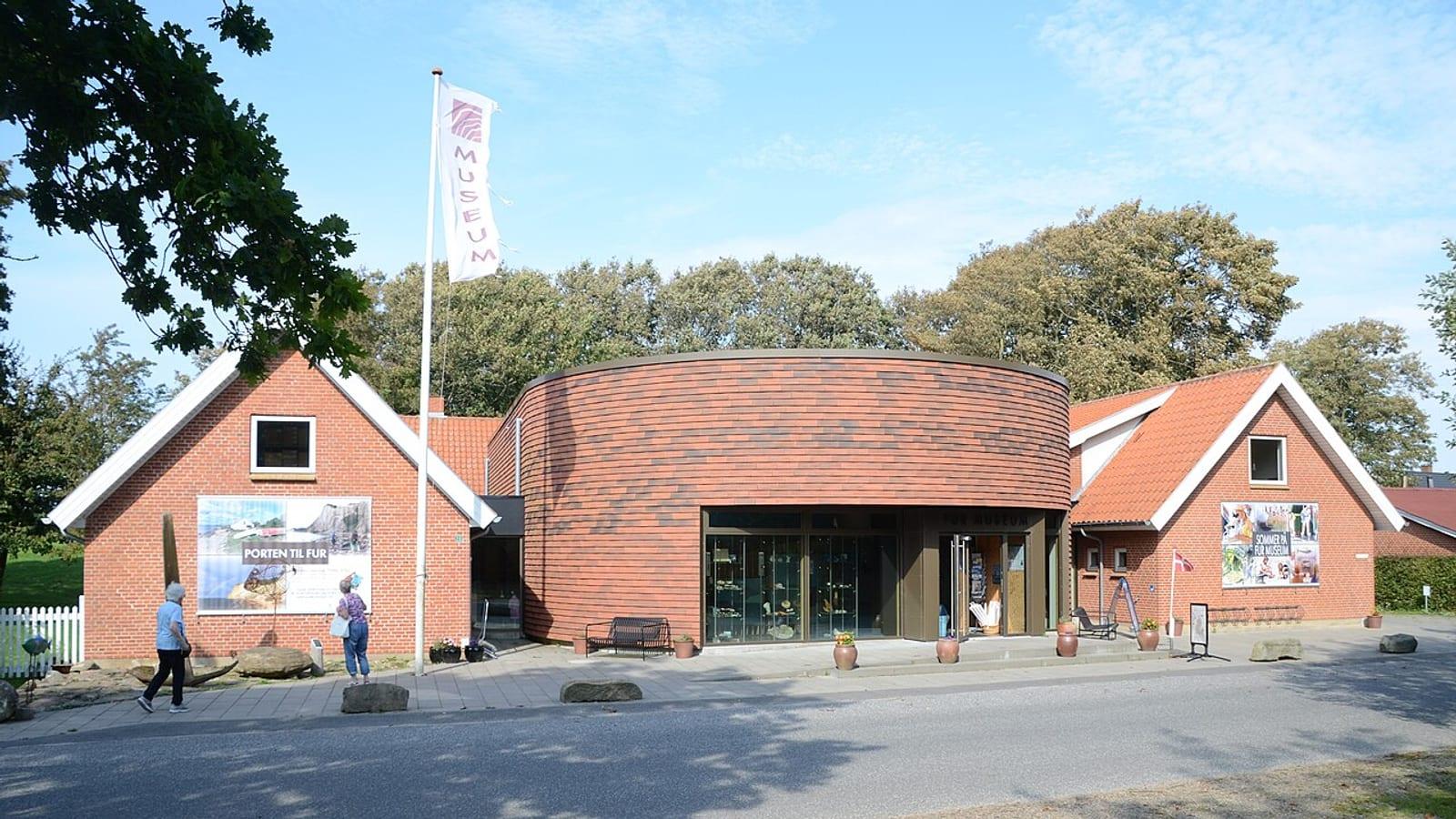 Fur Museum Dig Eocene Fish Insect Fossils Fossil Hunting GuideFur Museum, Fur Formation
 Mors Island Moler Museum Eocene Fossil Digging Fossil Hunting GuideFossil and Moler Museum, Fur Formation