U-Dig Fossils Fossil Hunting Guide
The site is a private pay-to-dig quarry; visitors keep all finds. 40 acres of premium trilobite-bearing shale. Fee charged per person. Tools provided. Average visitor finds 10-20 trilobites in 4 hours. Trilobites range from 1/8 inch to 2 inches long. Over 8 species present; Elrathia kingii most c...
U-Dig Fossils is a premier fossil collecting location in Millard County, Utah. The site exposes Middle Cambrian fossils where visitors can hunt for trilobites (Elrathia kingii, Asaphiscus wheeleri, others), brachiopods, and phyllocarids.
The site is a private pay-to-dig quarry; visitors keep all finds. 40 acres of premium trilobite-bearing shale. Fee charged per person. Tools provided. Average visitor finds 10-20 trilobites in 4 hours. Trilobites range from 1/8 inch to 2 inches long. Over 8 species present; Elrathia kingii most common (comprises about 95% of finds). Rare species occasionally found including Asaphiscus wheeleri. Remote location - fill up with gas in Delta (52 miles from quarry). Bring water, snacks, gloves, long pants, sturdy boots. All-wheel drive recommended for gravel road. Portable toilets on site. Check website (u-digfossils.com) for hours, rates, and detailed directions. Closed Sundays. One of the premier Cambrian trilobite collecting localities in North America.
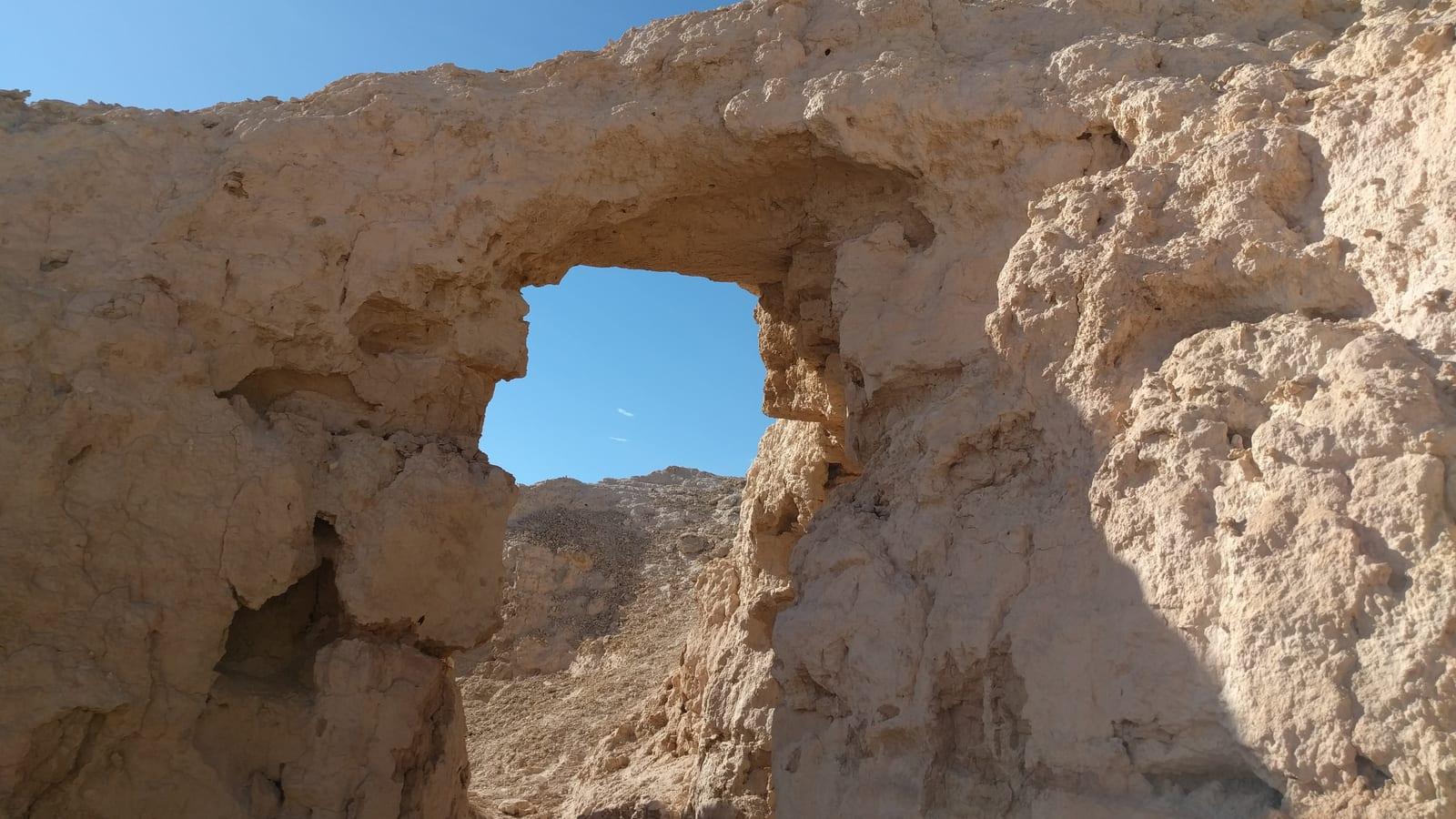
The site is a family-owned and operated quarry that has been in operation for nearly 50 years in the remote Wheeler Amphitheater in the House Range. The Wheeler Shale is one of the densest deposits of Cambrian trilobites in the world. Staff regularly expose fresh rock with excavator to provide new collecting opportunities.
This complete guide covers everything you need to know about fossil collecting at U-Dig Fossils, including directions to the site, collecting rules and regulations, the types of fossils you can find, and what to expect during your visit.
Location and Directions
You can find U-Dig Fossils in Millard County, Utah.
Directions to U-Dig Fossils
To reach U-Dig Fossils: From Delta: Travel 32 miles west on Highway 6/50. At Long Ridge Reservoir sign between mile markers 56-57, turn north at U-Dig Fossils sign. Travel 20 miles on maintained gravel road to quarry.
When you arrive, the fossil collecting area is located at the Wheeler Shale quarry in the House Range.
What Fossils You’ll Find
U-Dig Fossils contains Middle Cambrian fossils preserved in shale.
Trilobites are the primary fossil assemblage at the site. Brachiopods are also found throughout the collecting area. Phyllocarids occurs less frequently but has been been discovered at U-Dig Fossils.
Geologic History
U-Dig Fossils exposes the Wheeler Shale, a significant Middle Cambrian geological unit in Millard County, Utah.
Millions of years ago, the area that is now Utah was a deep-water marine environment similar to the famous Burgess Shale in Canada. The climate was tropical; the area was near the equator during the Cambrian. Warm ocean waters supported diverse marine life.
As these ancient organisms died, sediments buried and preserved their remains. Over millions of years, geological processes transformed these sediments into the fossil-bearing rocks visible at U-Dig Fossils today.
How U-Dig Fossils Became a Fossil Collecting Site
U-Dig Fossils originally operated as an industrial site where commercial activities exposed fossil-bearing rock layers. Quarrying, mining, or excavation operations removed overlying sediments and revealed ancient deposits that had been buried for millions of years.
After industrial operations ceased, U-Dig Fossils transitioned to a location where fossil enthusiasts could legally collect specimens. The legacy of this industrial activity created the accessible rock exposures that make fossil collecting possible today. Many of the world’s most productive fossil sites share this history of industrial operations inadvertently revealing paleontological treasures.
Collecting Rules & Regulations
Is Fossil Collecting Allowed?
U-Dig Fossils allows fossil collecting for visitors who follow proper procedures. A permit or admission fee is required before collecting begins.
Key Points:
- Permit or admission fee required
- Collectors keep all specimens found
- Staff available for questions and identification
- Reservations may be recommended during peak seasons
The fee helps maintain the site and ensure quality experiences for all visitors.
Tools and Equipment
Recommended Tools:
Fossil collectors should verify which tools are allowed before beginning their search. Some sites provide tools for visitors, while others require collectors to bring their own equipment.
Common Collecting Tools:
- Rock hammers and chisels
- Brushes for cleaning specimens
- Hand screens for processing sediment
- Sturdy containers, bags, or buckets
- Newspaper or bubble wrap for protection
- Spray bottle with water (reveals fossil details)
Safety Guidelines
Essential Safety Guidelines:
Safety should be every collector’s top priority when visiting U-Dig Fossils.
Personal Protection:
- Wear closed-toe shoes or boots with good traction
- Eye protection is essential when using rock hammers or chisels
- Sun protection: sunscreen, hats, and protective clothing
- Bring plenty of water and stay hydrated
Site Awareness:
- Supervise children at all times
- Watch for unstable rock faces, deep water, steep slopes
- Be aware of poisonous plants and wildlife
- Let someone know your plans before visiting remote sites
- Never collect alone in isolated areas
Sources
U-Dig Fossils website; Utah geological surveys; Cambrian trilobite locality documentation