Naracoorte Caves Fossil Hunting Guide
Naracoorte Caves World Heritage - Australias best Pleistocene megafauna, Victoria Fossil Cave, Diprotodon, marsupial lion SA.
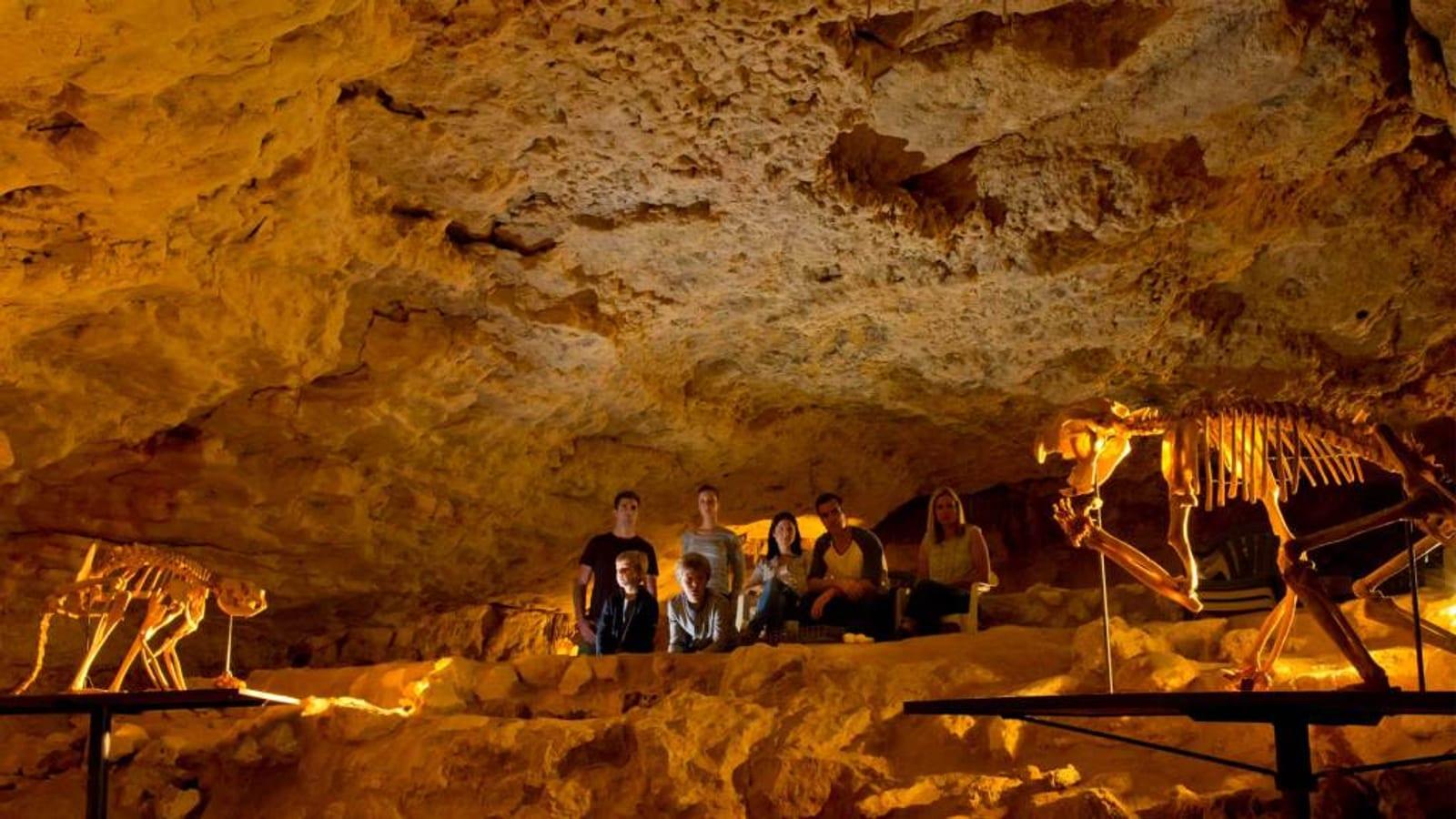
Naracoorte Caves National Park is a UNESCO World Heritage Site and Australia's best Pleistocene megafauna fossil site. The caves contain one of the world's richest and best-preserved deposits of extinct Australian mammals from the last ice age. The site is the only place on Earth where a natural fossil trap has operated continuously for over 500,000 years.
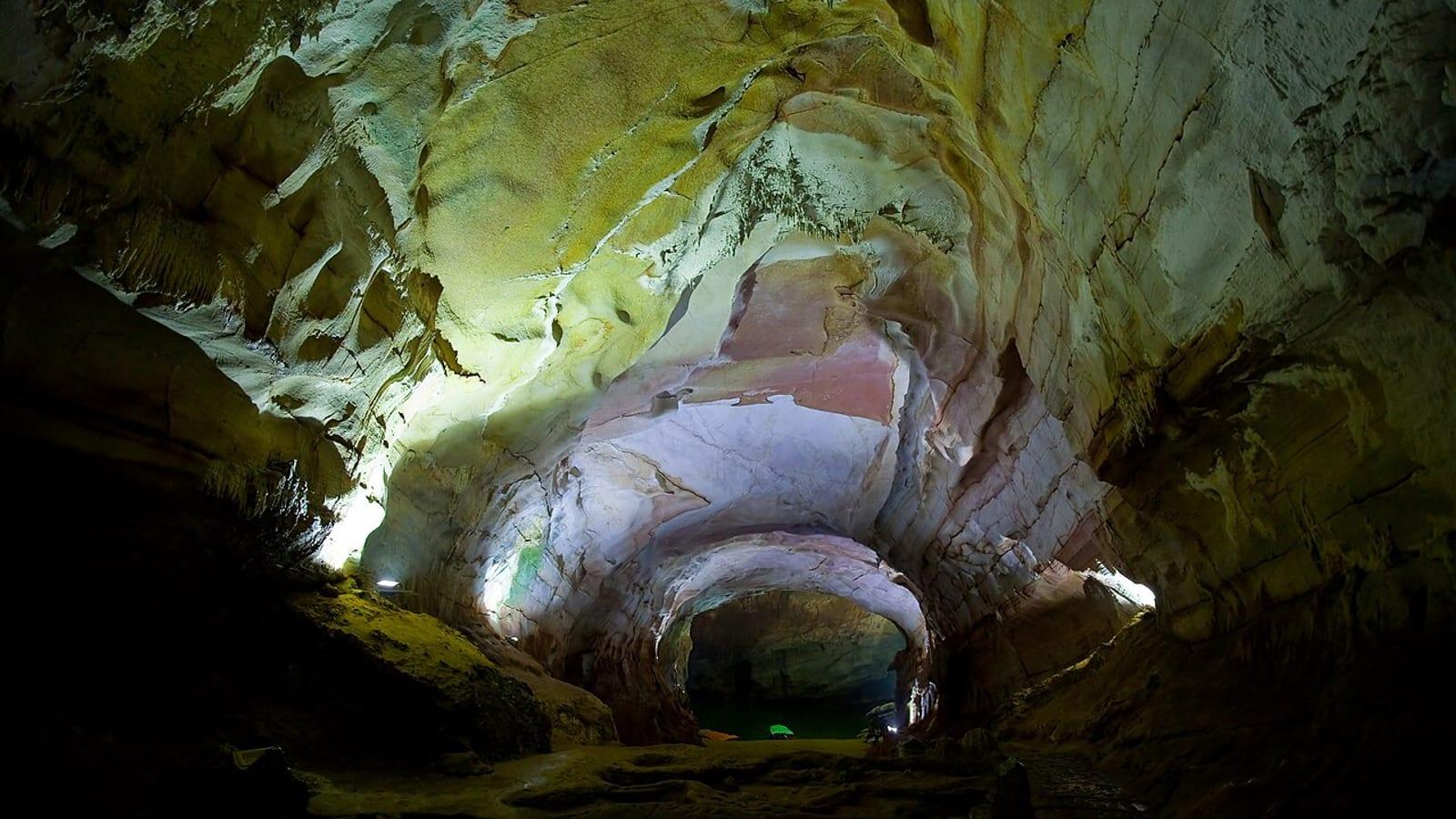
Victoria Fossil Cave is the most extensively studied cave, containing a fossil bed 3-4 meters deep that accumulated over more than 200,000 years. The bone deposit contains thousands of fossil specimens, including over 90 vertebrate species including the marsupial lion (Thylacoleo), giant kangaroos, Diprotodon, and the giant flightless bird Genyornis.
Tours of Victoria Fossil Cave are daily at 10:15am and 2:15pm. The tour follows a 400-m pathway with 50 steps and a steep slope out, culminating in 30 minutes in the Fossil Chamber viewing the exposed bone bed.

Blanche Cave is part of the Bat Centre tour where you can watch critically endangered Southern Bent-wing Bats in their maternity colony. In summer dusk, you can see bat flights from the cave. Tours run at 11:30am and 3:30pm.
Alexandra Cave is a short, easy 30-minute family tour through formations and provides a good introduction to cave geology and regional formation. Tours run at 9:30am and 1:30pm.
Stick-Tomato Cave is a self-guided walk through two chambers, well-lit with 20 steps, suitable for all ages. Open 9am-5pm.
The Wonambi Fossil Centre contains life-size reconstructions of extinct megafauna. Viewing platforms give glimpses into cave interiors, and visitors can witness bat flights.
Geological Setting
The caves are formed in Oligocene limestone. Animals fell through openings (natural traps) in the cave roof and accumulated in chambers below, where their bones were preserved by cave sediments.

Ancient Climate
During the Pleistocene ice ages, the climate fluctuated between cooler, drier periods and warmer, wetter conditions. The changing climate contributed to the extinction of the megafauna around 40,000 years ago. A 2024 study, published in Nature, Elevated Southern Hemisphere moisture availability during glacial periods, suggests that glacial periods in Australia were wetter than first thought, meaning the environment was more hospitable for people and animals, especially compared to the Northern Hemisphere.
Discovery and Research History
Fossils were first discovered in the caves in the 1850s. Systematic excavation and research began in the 1960s and continues today. The site has a huge significance for understanding Quaternary mammal evolution and extinction events.
Getting There
Naracoorte Caves National Park is about 3.5 hours from Adelaide in southeastern South Australia.

Fossil Collecting
Fossil collecting is strictly prohibited. All fossils are protected for scientific research. However, you can view fossils in situ in the caves.
Nearby sites
 Hamilton Grange Burn Fossil Hunting GuideHamilton Local Fauna, Grange Burn Creek
 Beaumaris Bay Fossil Site Melbourne Fossil Hunting GuideBlack Rock Sandstone, shark teeth
 Eagles Nest Cape Paterson First Dinosaur Fossil Hunting GuideWonthaggi Formation, Theropod dinosaur material
 The Caves Inverloch Fossil Hunting GuideStrzelecki Group, Dinosaur bones and teeth