Cabrillo National Monument Fossil Hunting Guide
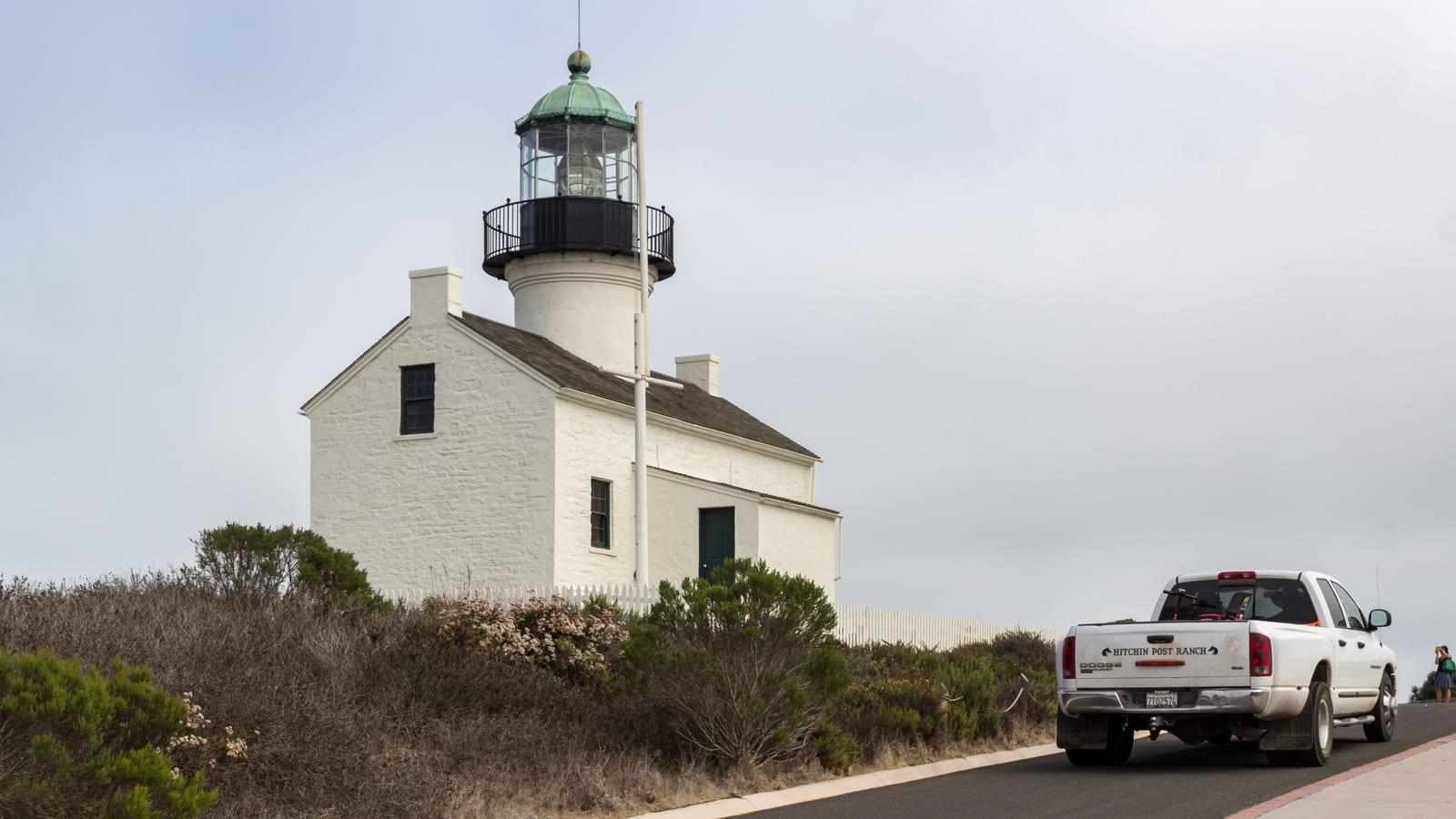
Image: Bernard Gagnon (CC BY-SA 3.0)
Geology : The geologic history of Cabrillo National Monument is dominated by two periods of time – when the rocks formed, and when they were uplifted and shaped into the peninsula we see today.
Geology:
The geologic history of Cabrillo National Monument is dominated by two periods of time – when the rocks formed, and when they were uplifted and shaped into the peninsula we see today. The peninsula’s main mass of rocks accumulated as sand, mud, and gravel dumped into the Pacific Ocean during the late Cretaceous Period, about 76 million years ago. These sedimentary rocks were uplifted and deformed by faulting, cut across by ancient beaches and sea floors, and modified by erosion during the last 2 million years or so (the Quaternary) source.
Paleontology:
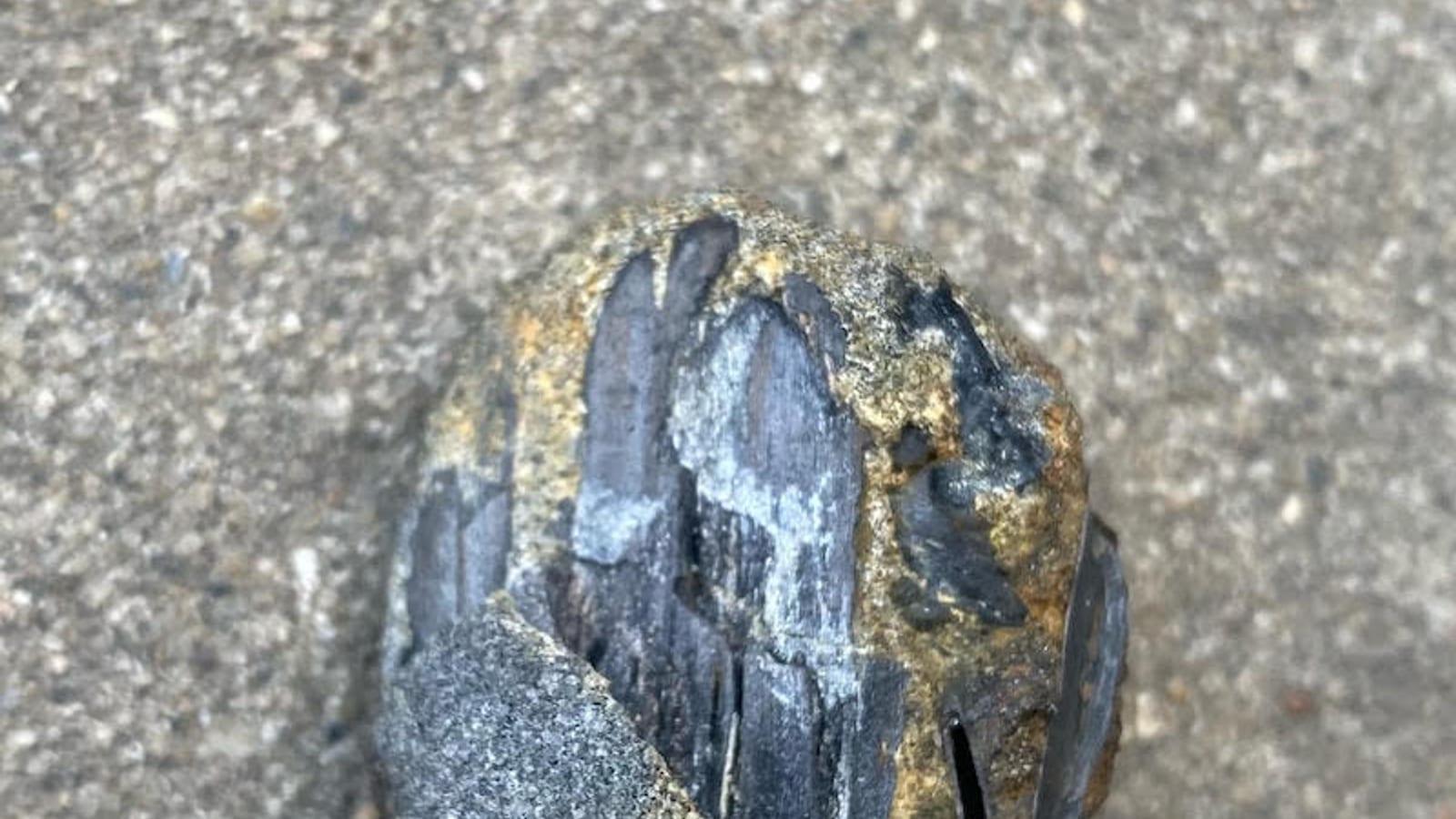
The site is known for its fossilized burrows of Ophiomorpha and Thalassinoides, as well as Inoceramid fossils, which are about 10-20 cm wide and look like bubbly crusts embedded into the tidepool cliffs. These fossils provide a glimpse into the ancient marine life that once inhabited the area source.